| OCR Text |
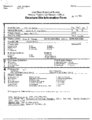
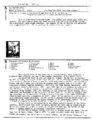
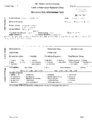
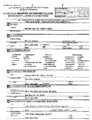
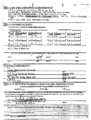
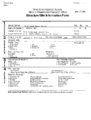
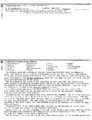
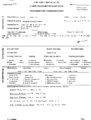
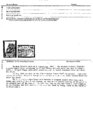
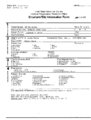
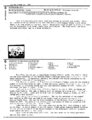
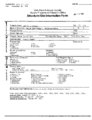
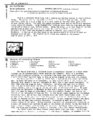
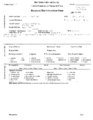
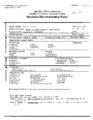
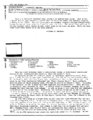
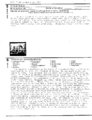
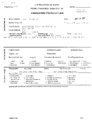
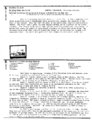
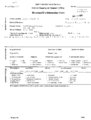
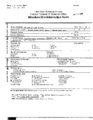
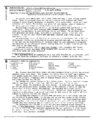
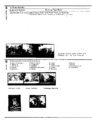
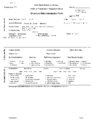
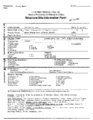
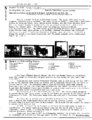
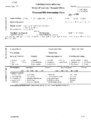
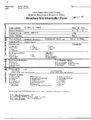
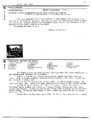
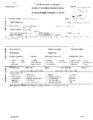
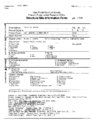
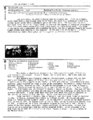
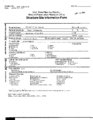
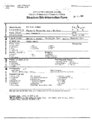
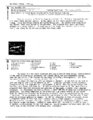
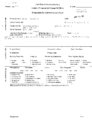
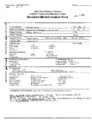
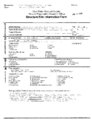
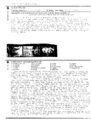
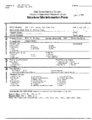
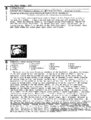
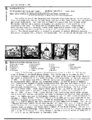
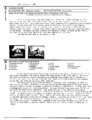
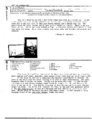
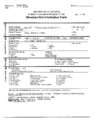
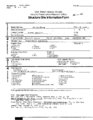
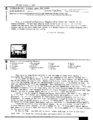
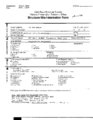
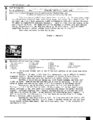
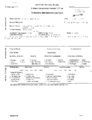
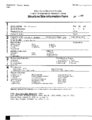
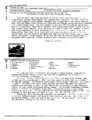
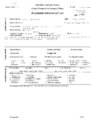
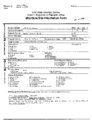
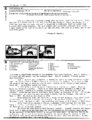
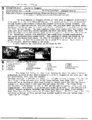
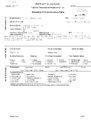
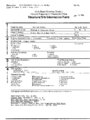
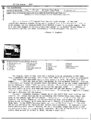
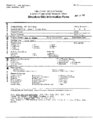
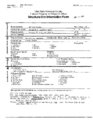
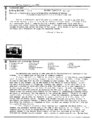
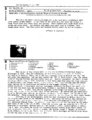
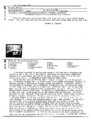
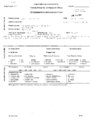
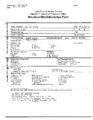
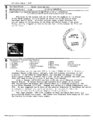
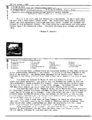
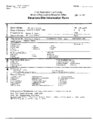
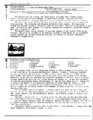
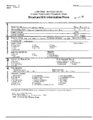
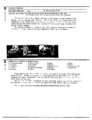
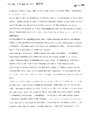
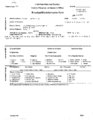
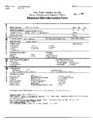
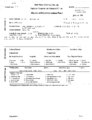
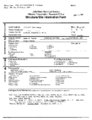
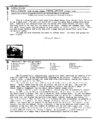
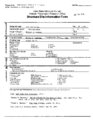
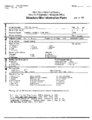
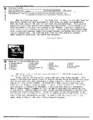
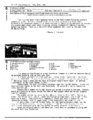
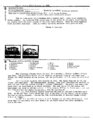
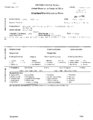
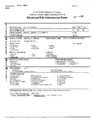
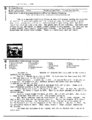
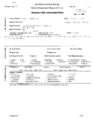
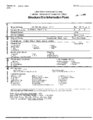
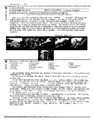
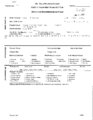
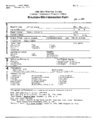
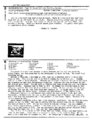
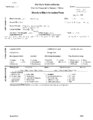
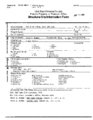
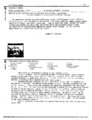
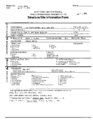
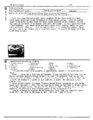
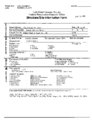
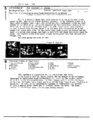
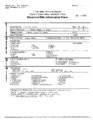
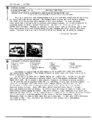
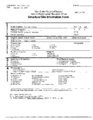
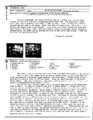
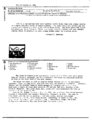
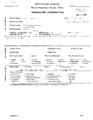
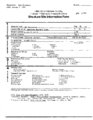
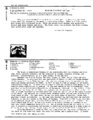
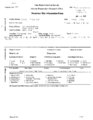
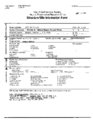
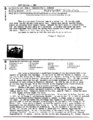
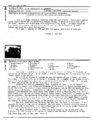
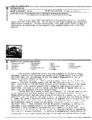
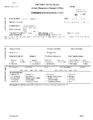
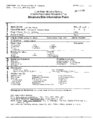
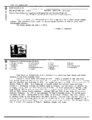
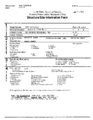
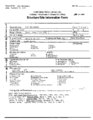
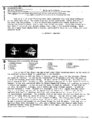
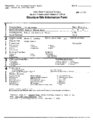
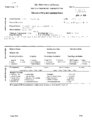
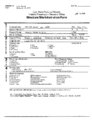
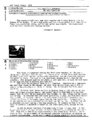
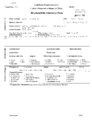
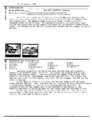
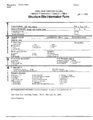
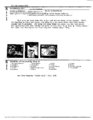
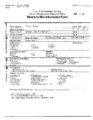
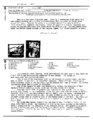
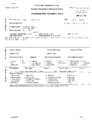
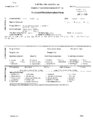
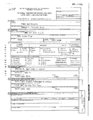
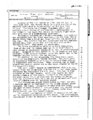
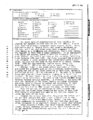
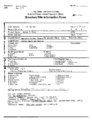
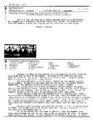
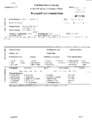
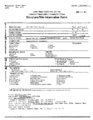
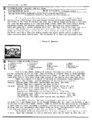
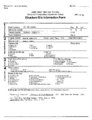
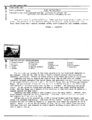
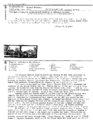
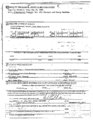
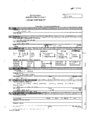
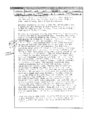
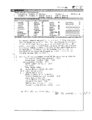
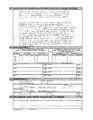
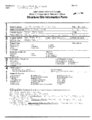
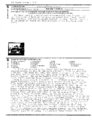
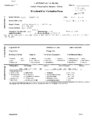
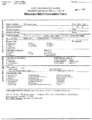
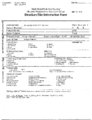
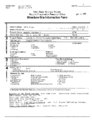
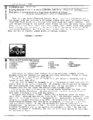
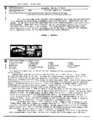
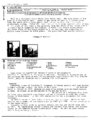
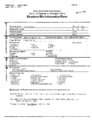
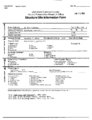
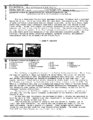
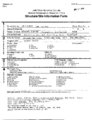
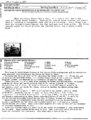
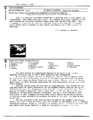
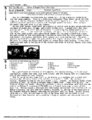
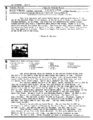
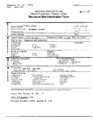
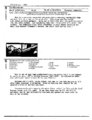
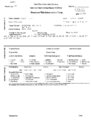
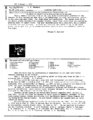
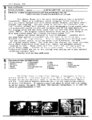
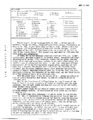
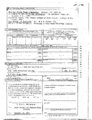
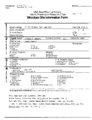
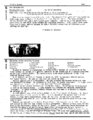
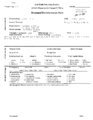
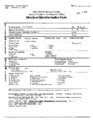
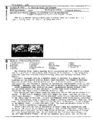
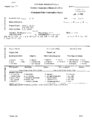
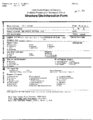
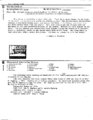
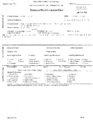
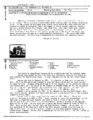
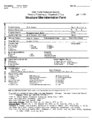
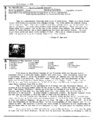
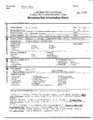
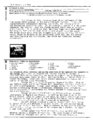
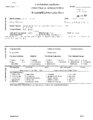
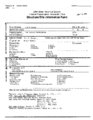
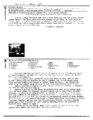
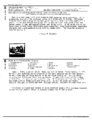
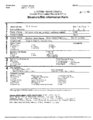
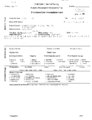
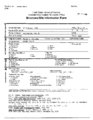
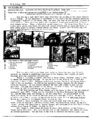
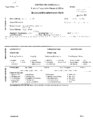
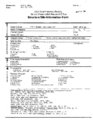
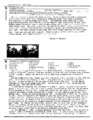
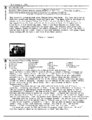
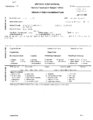
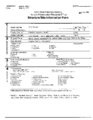
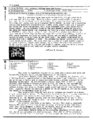
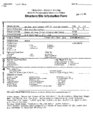
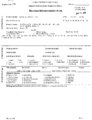
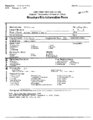
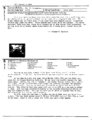
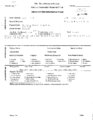
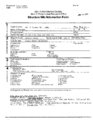
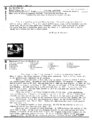
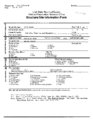
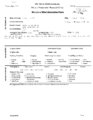
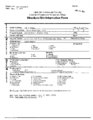
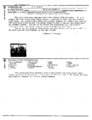
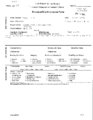
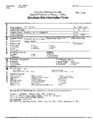
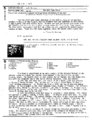
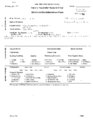
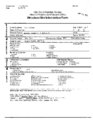
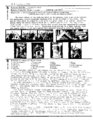
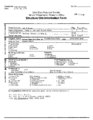
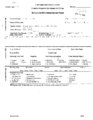
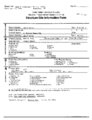
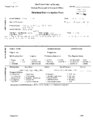
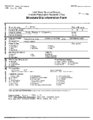
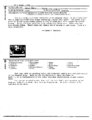
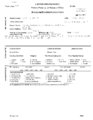
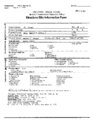
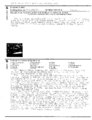
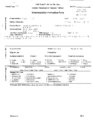
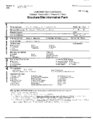
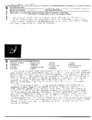
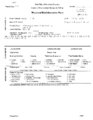
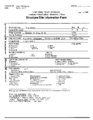
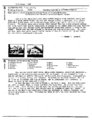
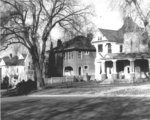
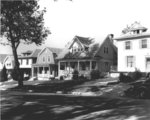
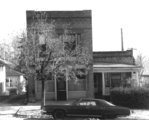
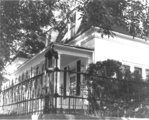
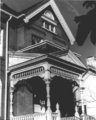
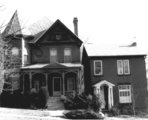
Show 157 B Street - 1870 ! s Architect/Builder:____________ /possibly William Barton____ Building Materials: r^dnh^ .tnrm^d Building Type/Style: nothlV Description of physical appearance & significant architectural features: ? {_{ H (Include additions, alterations, ancillary structures, and landscaping if applicable) {_! < This is a one-and-a-half story Gothic Revival cottage with stucco finish. One of the earliest homes in the Avenues, it may be built of adobe, a popular pioneer building material, or of frame. The house has the characteristic Gothic Revival steeply pitched roof with a transverse gable toward the street, topped by a finial, which also extends down below the cornice. The house has tall, narrow windows. Above the one-story front porch is a second floor door, common in Utah pioneer architecture, that once opened on a balcony. There is a large, flat-roofed, one-story addition on the north side of the house. --Thomas W. Hanchett 6 Statement of Historical Significance: > DC o (A I - D Q a DD AboriginalAmericans Agriculture Architecture The Arts Commerce D D D D Q Communication Conservation Education Exploration/Settlement Industry a D a D a Military Mining Minority Groups Political Recreation Q D Q D Religion Science Socio-Humanitarian Transportation The Gothic Revival Style was popular in the eastern United States from the 1830's to the 1860 f s, when Barton came across the country to Utah. Barton's home is an interesting example of the style in Utah, built of adobe rather than scarce milled lumber, with the characteristic Utahn second floor door, and with its wooden finial still intact. Barton was a carpenter and book keeper. William Bell Barton was born is St. Helen, Lanks, England on July 21,1836 to John and Elizabeth Bell Barton. He was the twin brother of Hyrum Barton. He joined the LDS Church in 1847. He came to Utah in 1860 and lived there the rest of his life except for four years that he spent in England on an LDS mission from 1874 to 1878. Barton was a carpenter and a cabinet maker. He was a bookkeeper in the S.T. Teasdale Store for thirty years. He also worked in the city water works under John Clark. He was a clerk in the Presiding Bishop's Office. He died in 1923. Barton was a polygamist and he had two wives. His first wife was Ellen Birchall. She was born on March 24,1836 in Kingsnoss , Rainford, England to William and Esther Middlehouse Bircha She married William on March 13,1860 in England. The couple came to Utah that year. They had seven children. Ellen died August 10,1918. Barton's second wife was Sarah Foster. She was born May 15,1846 in Birmingham, Winshire, England to William and Ann Morris Foster. She married William on June 10,1867. She and William had six children. She died June 11,1917. After Barton's death, two of his daughters took over the house. They were children of his first wife, Ellen Birchall. Eva Barton Groesbeck was born March 16,1867 in Salt Lake City, Utah. She married Hyrum Groesbeck on June 10, 1914. He-died in 1915. Hyrum Groesbeck was born in Springfield, Illinois on |