| OCR Text |
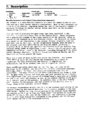
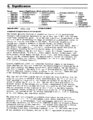
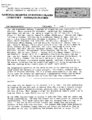
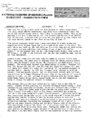
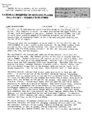
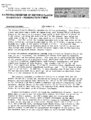
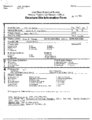
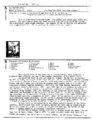
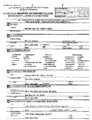
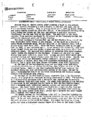
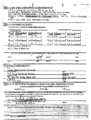
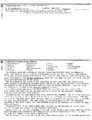
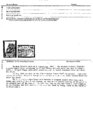
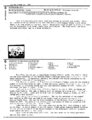
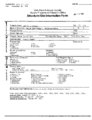
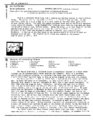
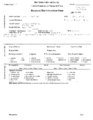
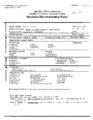
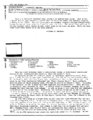
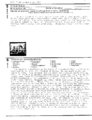
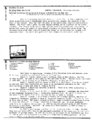
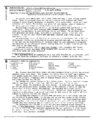
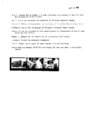
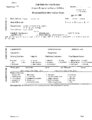
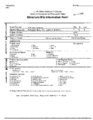
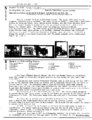
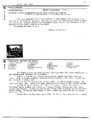
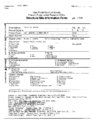
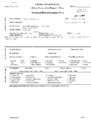
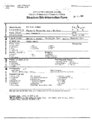
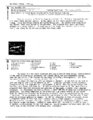
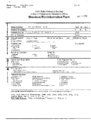
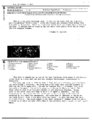
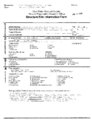
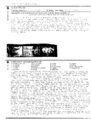
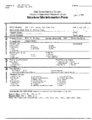
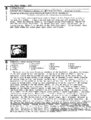
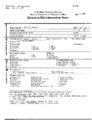
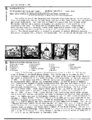
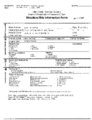
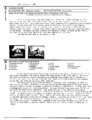
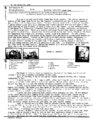
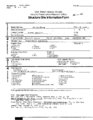
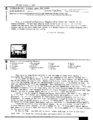
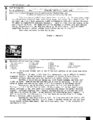
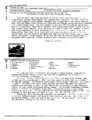
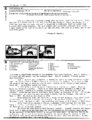
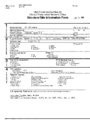
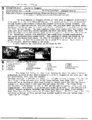
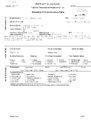
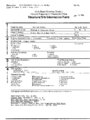
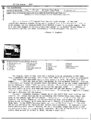
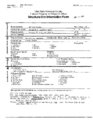
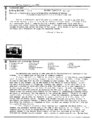
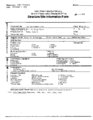
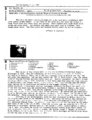
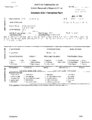
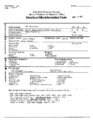
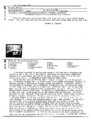
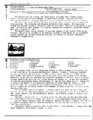
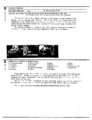
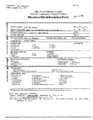
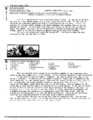
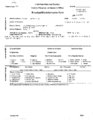
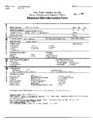
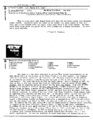
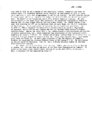
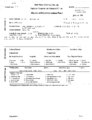
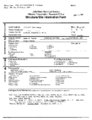
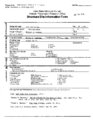
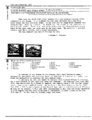
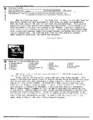
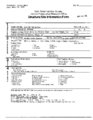
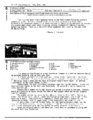
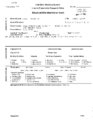
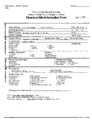
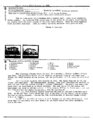
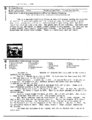
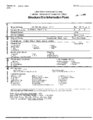
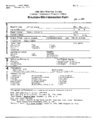
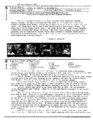
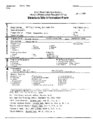
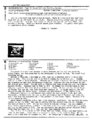
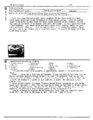
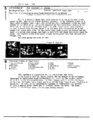
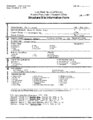
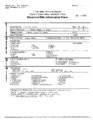
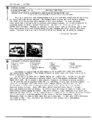
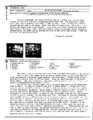
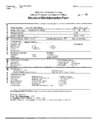
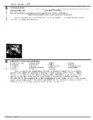
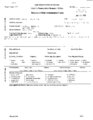
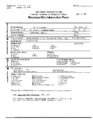
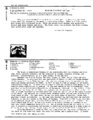
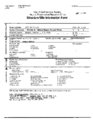
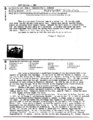
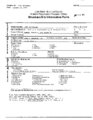
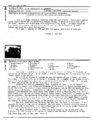
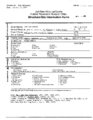
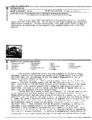
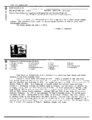
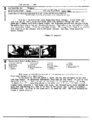
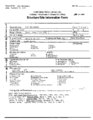
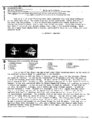
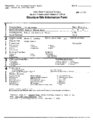
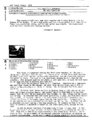
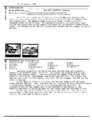
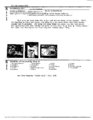
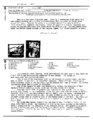
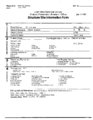
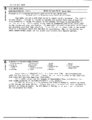
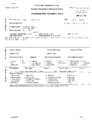
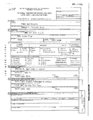
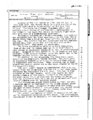
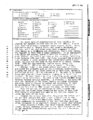
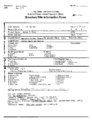
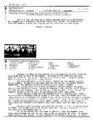
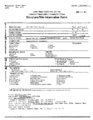
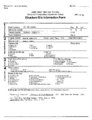
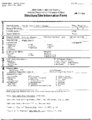
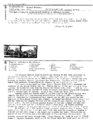
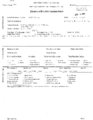
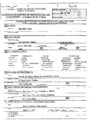
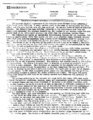
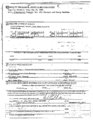
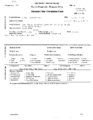
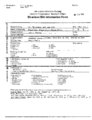
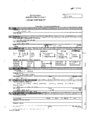
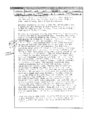
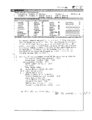
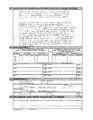
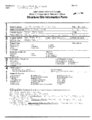
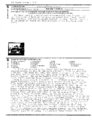
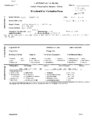
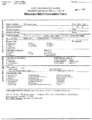
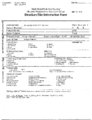
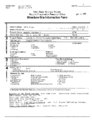
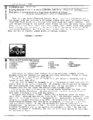
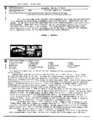
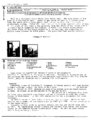
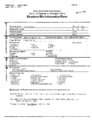
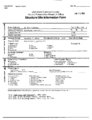
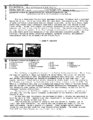
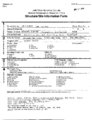
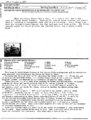
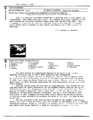
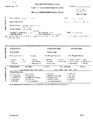
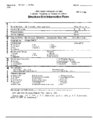
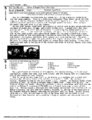
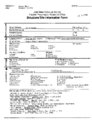
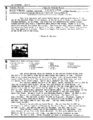
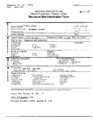
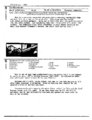
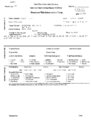
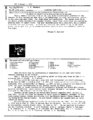
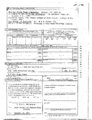
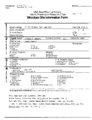
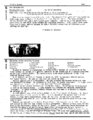
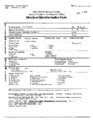
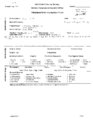
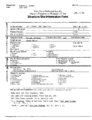
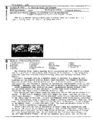
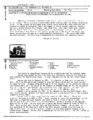
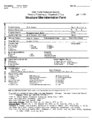
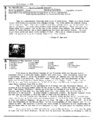
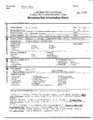
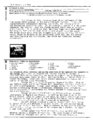
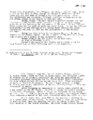
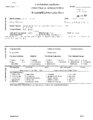
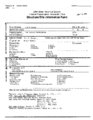
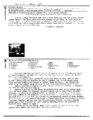
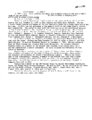
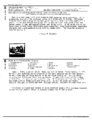
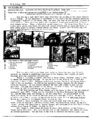
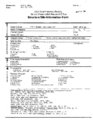
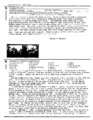
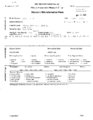
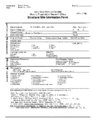
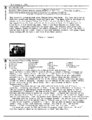
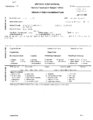
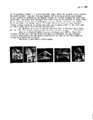
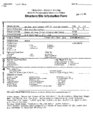
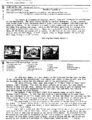
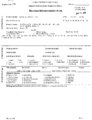
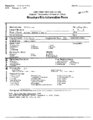
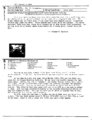
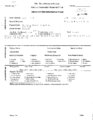
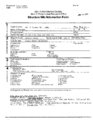
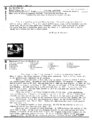
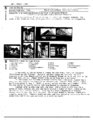
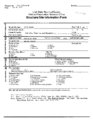
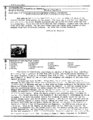
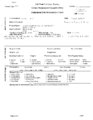
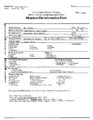
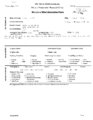
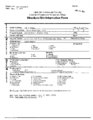
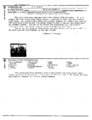
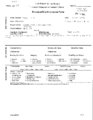
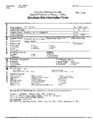
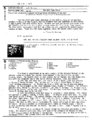
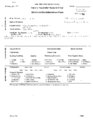
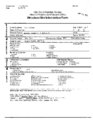
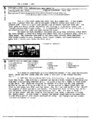
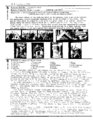
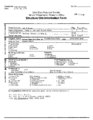
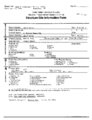
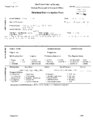
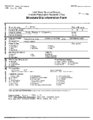
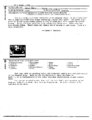
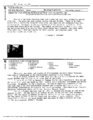
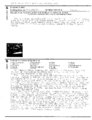
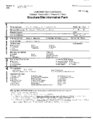
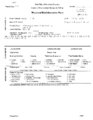
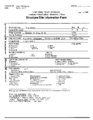
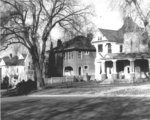
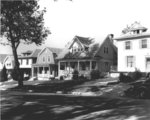
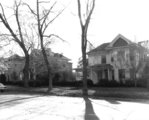
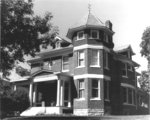
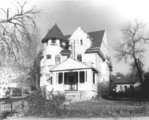
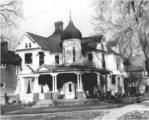
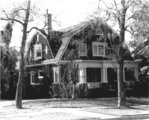
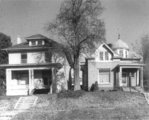
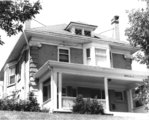
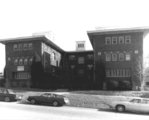
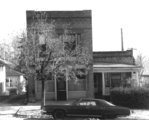
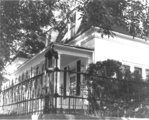
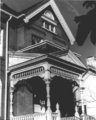
Show 1084 3rd AveniiP-1898 Architect/Builder: Building Type/Style: Victorian eclectic Building Materials: brick Description of physical appearance & significant architectural features: (Include additions, alterations, ancillary structures, and landscaping if applicable) This is a two-story buff-colored brick Victorian home with a hip roof and a three-sided hip roofed front bay. The bay has two art-glass transoms and rough-faced brick corner decoration. The wide wooden porch, with squat wooden corner columns on brick posts, is reminiscent of the Bungalow Style, perhaps added in the early 20th century. Statement of Historical Significance: D D D D D Aboriginal Americans Agriculture Architecture The Arts Commerce D D D D n Communication Conservation Education Exploration/Settlement Industry Q D D D D Military Mining Minority Groups Political Recreation D a D D Religion Science Socio-Humanitarian Transportation The house is significant as the long-time residence of Richard R. Lyman, nationally renowned civil engineer and apostle of the Mormon Church, and his wife, Amy Brown Lyman, who was prominent in both the women's organization of the LDS Church and in civic affairs in Utah. This house was built in 1895 by Frank A. Grant. Grant built a number of houses in this area including numbers 1083 and 1087 directly across the street from here. Grant lived at 1103 3rd Avenue which is on the northeast corner of 3rd Avenue and S Street. This property changed hands a number of times going from Grant to Edward Home, from Home to Albert B. Parley, and from Farley to Charles Felt, all in 1900. Felt was apparently the first resident-owner. Charles Felt was a dealer in sheep and livestock. In 1905 and again in 1907 he was elected Salt Lake City Auditor as a member of the American Party, an antiMormon political party that was never strong in the state as a whole, but which domi nated Salt Lake City politics from 1905 to 1911. In 1906 Felt sold the house to Richard R. Lyman, who became a nationally known educator and engineer and was an apostle of the Mormon Church for twenty-five years. He was born in Fillmore, Utah, in 1870. Both his grandfather, Amasa M. Lyman, and his father, Francis M. Lyman, were apostles of the Mormon Church. Lyman graduated from the University of Michigan in 1895 and in 1896 began a long teaching career at the University of Utah. He founded the University's Civil Engineering Department and was a member of it until 1922. While associated with the University, he also carried on a private practice in engineering and attained a national reputation. In addition to designing and superintending the construction of water works systems for many of the towns and smaller cities in Utah, |