| OCR Text |
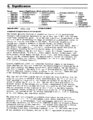
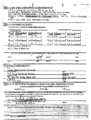
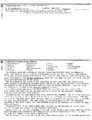
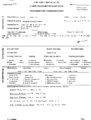
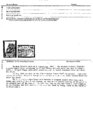
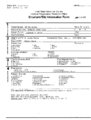
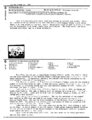
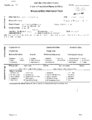
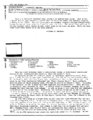
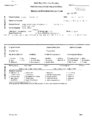
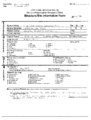
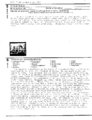
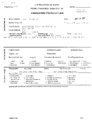
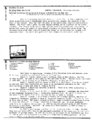
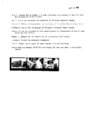
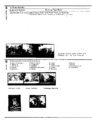
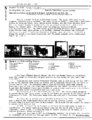
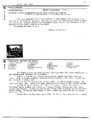
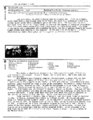
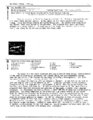
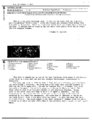
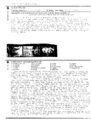
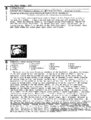
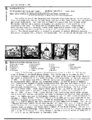
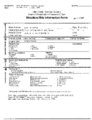
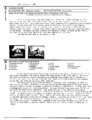
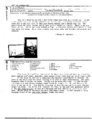
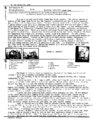
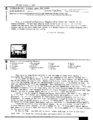
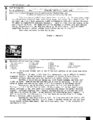
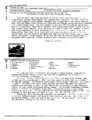
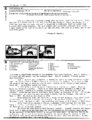
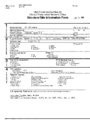
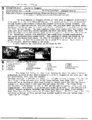
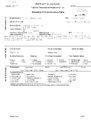
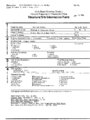
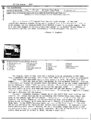
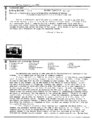
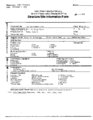
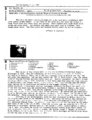
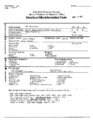
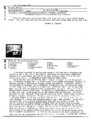
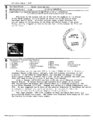
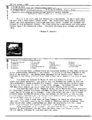
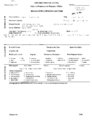
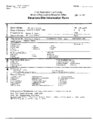
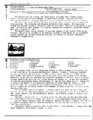
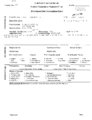
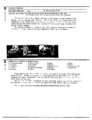
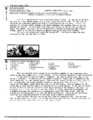
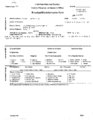
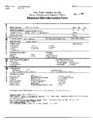
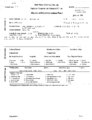
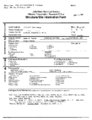
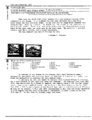
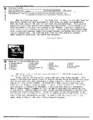
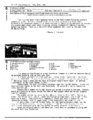
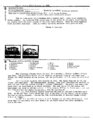
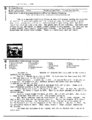
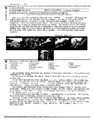
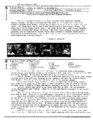
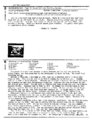
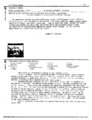
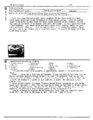
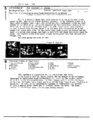
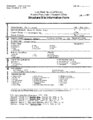
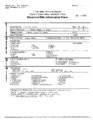
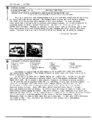
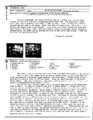
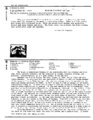
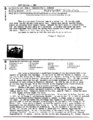
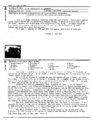
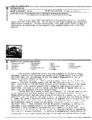
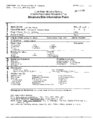
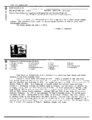
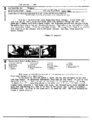
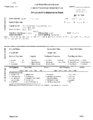
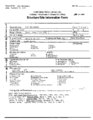
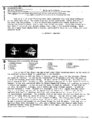
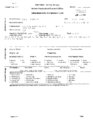
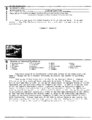
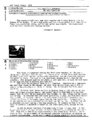
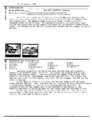
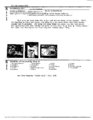
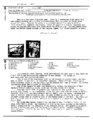
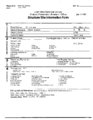
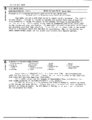
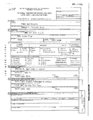
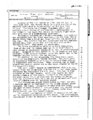
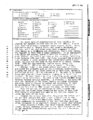
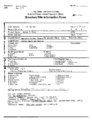
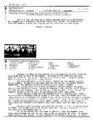
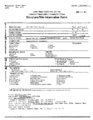
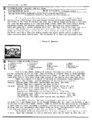
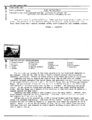
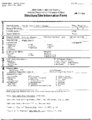
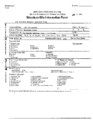
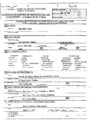
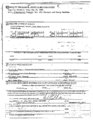
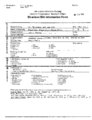
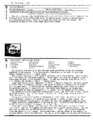
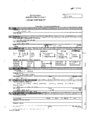
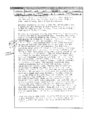
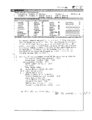
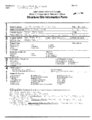
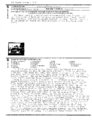
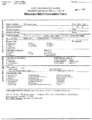
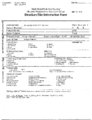
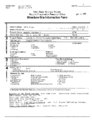
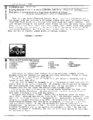
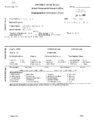
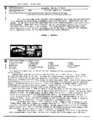
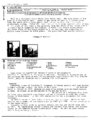
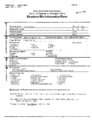
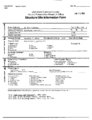
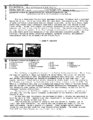
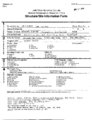
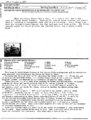
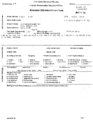
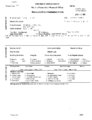
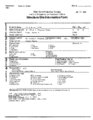
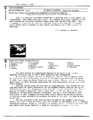
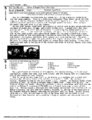
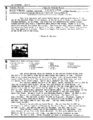
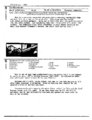
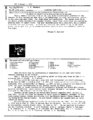
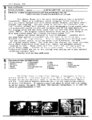
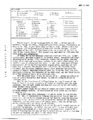
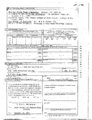
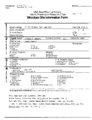
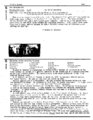
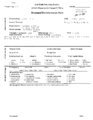
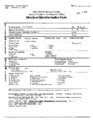
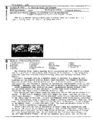
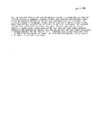
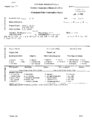
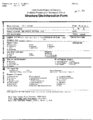
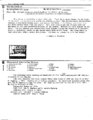
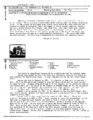
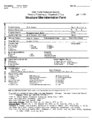
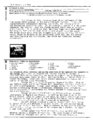
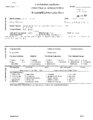
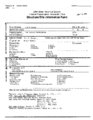
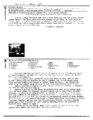
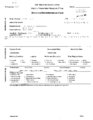
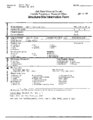
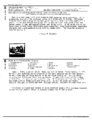
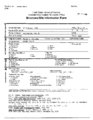
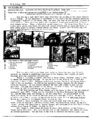
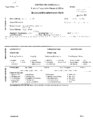
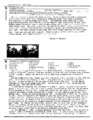
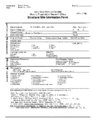
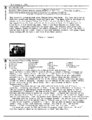
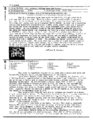
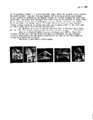
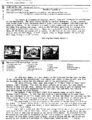
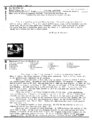
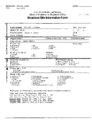
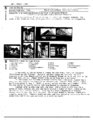
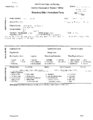
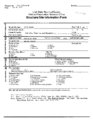
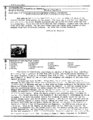
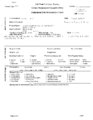
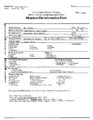
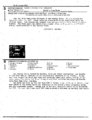
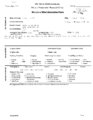
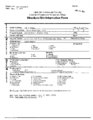
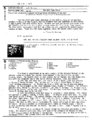
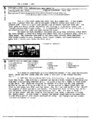
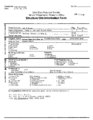
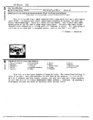
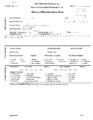
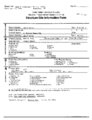
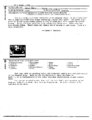
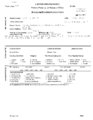
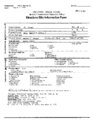
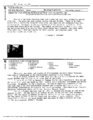
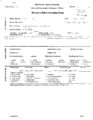
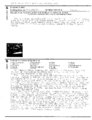
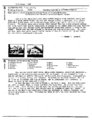
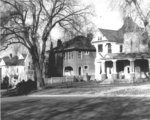
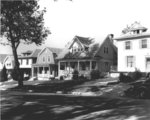
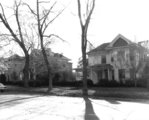
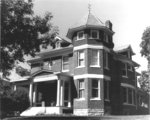
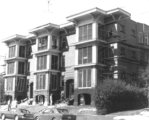
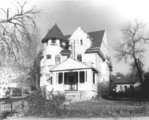
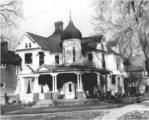
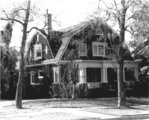
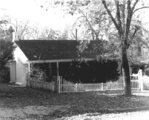
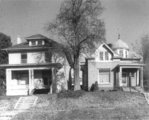
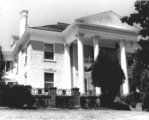
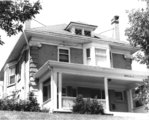
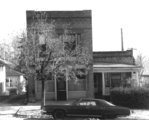
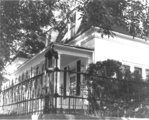
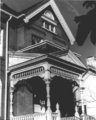
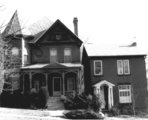
Show 86 C Street - 1876 Architect/Builder. Building Type/Style: , Federal Building Materials: adobe Description of physical appearance & significant architectural features: (Include additions, alterations, ancillary structures, and landscaping if applicable) This house is an interesting blend of styles unusual to Salt Lake City. It probably began as a small adobe house and was added to over the years. The north wing of the house is two stories tall. It has a gable roof with a simple cornice build up of molding and there are stucco quoins at the corners. This plus its massing-3 bays long and 1-room deep-mark it as an example of the Federal style popular in the eastern U. S. in the early 19th century. The second floor windows, however, have Italianate:pedimental lintels and there are 12 light upper sash over single light lower sash. On the first floor, north side is a one-story Victorian bay window of wood and an off-center door. On the first floor, west side of this wing is a large picture window with small paned side lights and transom. The south wing is one-and-one-half-stories tall in the Victorian eclectic style with a stick style three sided dormered bay window projecting from the roof above the west porch. The parch has square, battered wooden columns popular in the early 20th century. On the east side of the house are numerous shed type enclosed porch stair additions. -Thomas W. Hanchett Statement of Historical Significance: Q D D a Q Aboriginal Americans Agriculture Architecture The Arts Commerce d a O D Q Communication Conservation Education Exploration/Settlement Industry Q Q O D n Military Mining Minority Groups Political Recreation Q a n D Religion Science Socio-Humanitarian Transportation This is one of the oldest homes in the Avenues and is an example of the uncommon Federal architectural style. Its first two owners were significant in the social, religious, and political history of the area. In 1875 Charles F. Sansom bought a one-half lot from his father-in-law Henry Lewis. Lewis had acquired the lot in 1867. Sansom and his wife Mary Ann built this home the next year. Sansom had been a clerk with the William Jennings and Company General Merchandise establishment, and later the manager of the Twentieth Ward Co-op, one of the many co-operative merchantile ventures encouraged by the LDS Church. In 1888 Sansom sold this home to Richard W. Young, and built and moved into a house next door. Richard W. Young, a son of Joseph Angell and Margaret Whitehead Young, and grandson of LDS Church President Brigham Young, had then resigned from the military (he had graduated from West Point in 1882) and returned to Salt Lake City where he established a successful law practice. During the Spanish American War (1898) Young reentered the military, fought in the Phillipines and then served as a military judge there until 1901. In 1905 Young moved to 305 1st Avenue (now demolished); he sold this house to John A. Silver in 1907 for $4,600. John and his wife Orthena Pratt transferred the property to Neill C. Silver in 1909 who transferred it back in 1913. The Silvers did not live in the home but maintained it as rental property and it has continued as such to the time of this report. The Wherrys who lived at 80 C Street acquired this property in the 1920's. In 1929 Arthur and Daisy Wherry sold the home to Alice Blake. She and her husband David had been living in the home since 1924. Alice was a teacher, David was a collecter for Collins Company. The Slakes maintained part of the home as rental apartments. Alice Blake transferred the property in 1951 to Alma E. Anderson. |