| OCR Text |
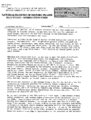
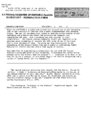
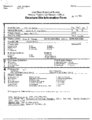
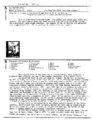
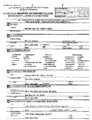
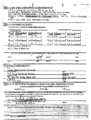
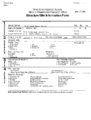
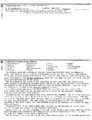
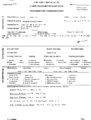
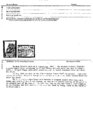
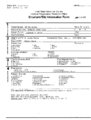
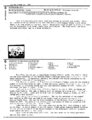
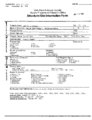
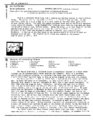
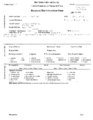
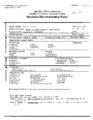
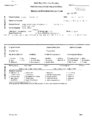
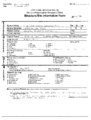
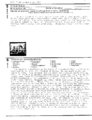
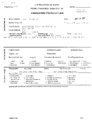
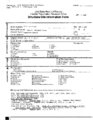
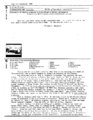
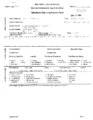
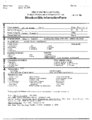
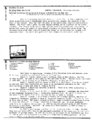
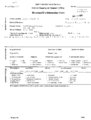
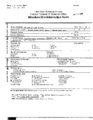
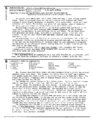
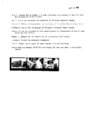
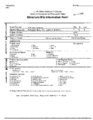
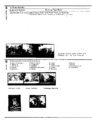
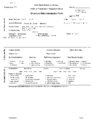
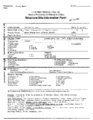
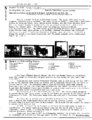
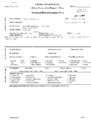
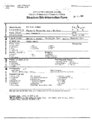
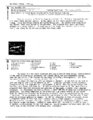
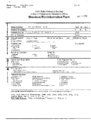
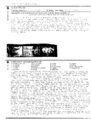
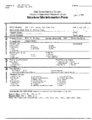
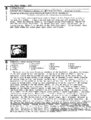
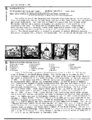
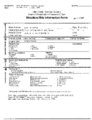
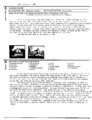
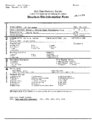
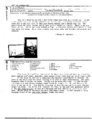
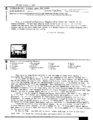
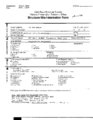
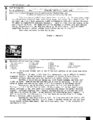
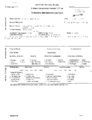
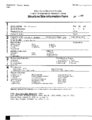
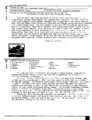
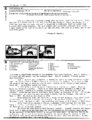
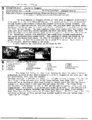
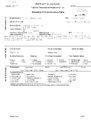
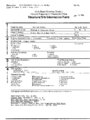
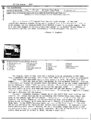
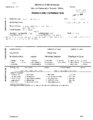
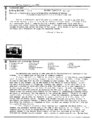
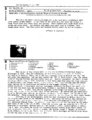
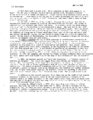
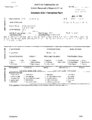
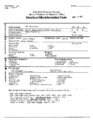
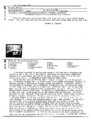
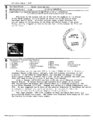
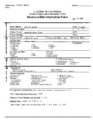
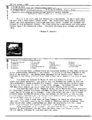
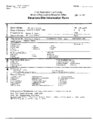
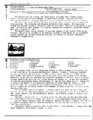
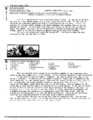
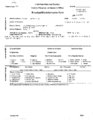
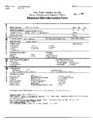
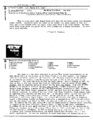
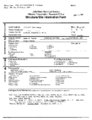
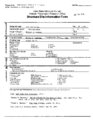
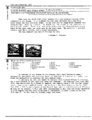
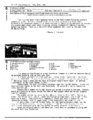
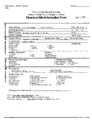
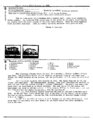
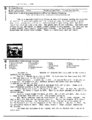
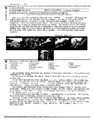
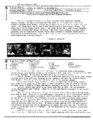
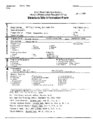
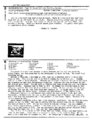
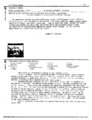
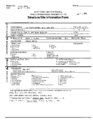
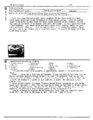
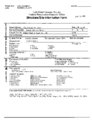
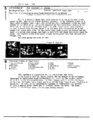
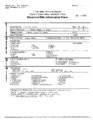
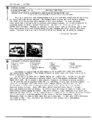
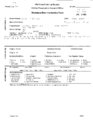
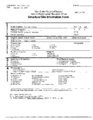
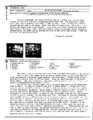
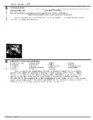
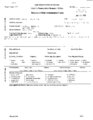
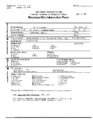
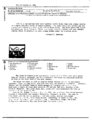
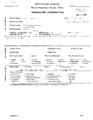
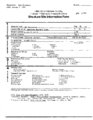
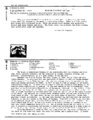
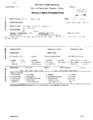
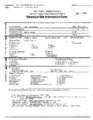
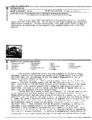
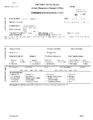
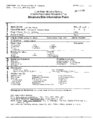
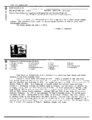
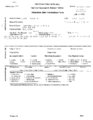
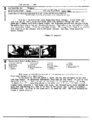
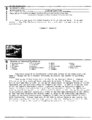
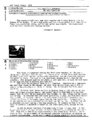
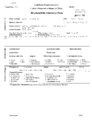
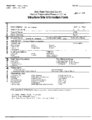
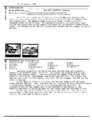
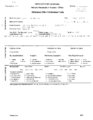
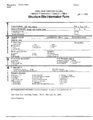
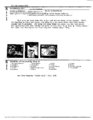
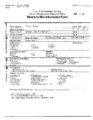
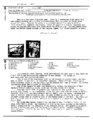
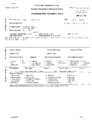
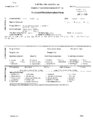
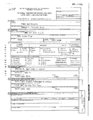
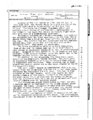
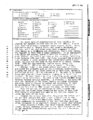
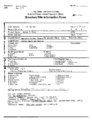
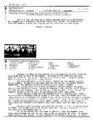
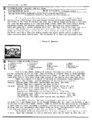
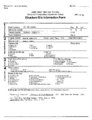
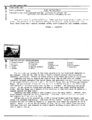
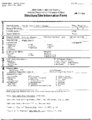
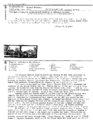
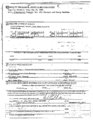
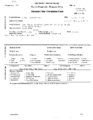
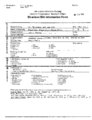
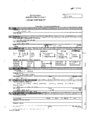
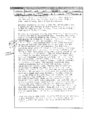
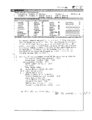
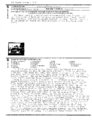
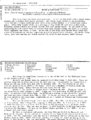
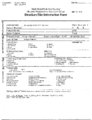
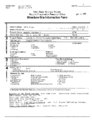
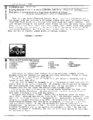
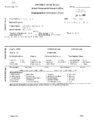
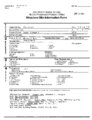
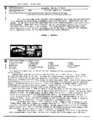
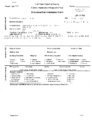
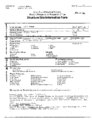
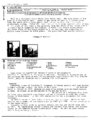
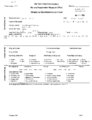
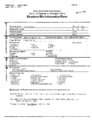
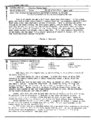
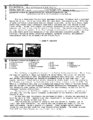
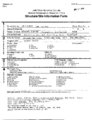
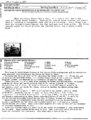
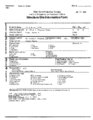
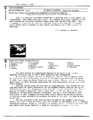
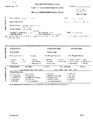
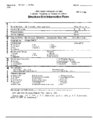
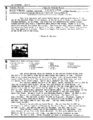
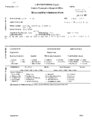
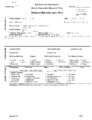
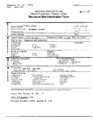
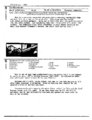
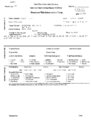
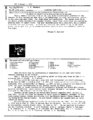
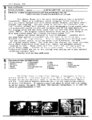
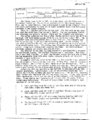
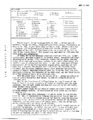
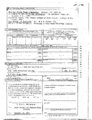
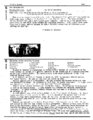
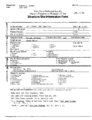
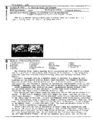
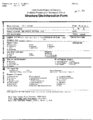
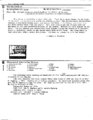
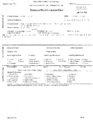
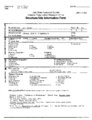
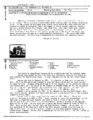
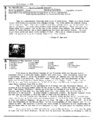
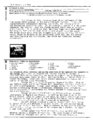
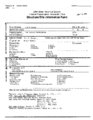
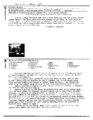
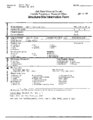
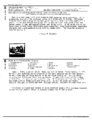
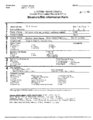
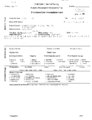
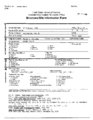
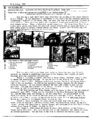
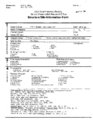
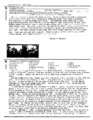
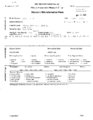
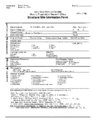
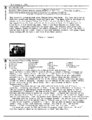
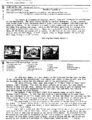
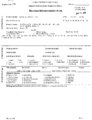
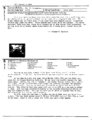
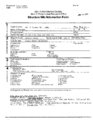
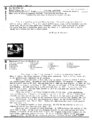
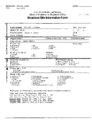
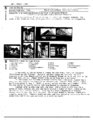
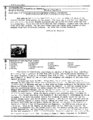
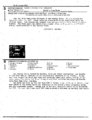
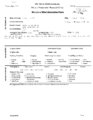
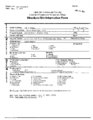
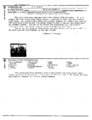
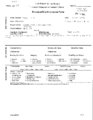
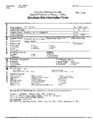
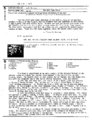
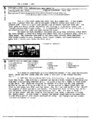
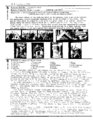
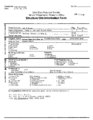
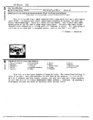
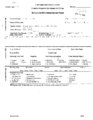
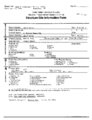
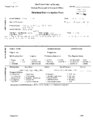
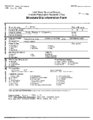
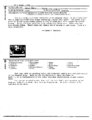
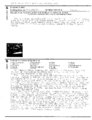
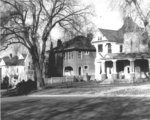
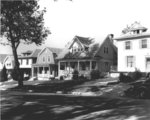
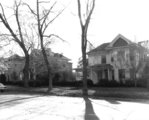
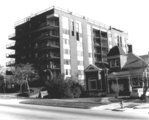
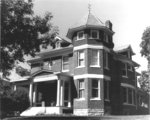
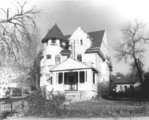
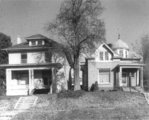
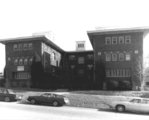
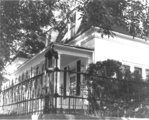
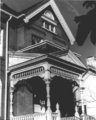
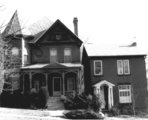
Show 87 E Street- 1890 Architect/Builder: Building Materials: sandstone and brick Building Type/Style: Queen Anne Description of physical appearance & significant architectural features: (Include additions, alterations, ancillary structures, and landscaping if applicable) This two and a half story Queen Anne style home was originally the finest mansion in the Avenues. It was converted to apartments in the 1920's and has received extensive unsympathetic addtions on the north, west, and roof, yet much of its original opulance is still visible. There are steep gables with bracketed carved wood panels and patterned wood shingle siding. There is extensive carved stone work. The large first floor front window has a carved wood frame and excellent leaded colored beveled glass and there is more leaded glass in several windows around the house. A north side entrance has ela borate knob-and-spindie brackets and balustrades. -Thomas W. Hanchett Statement of Historical Significance: D a D D D Aboriginal Americans Agriculture Architecture The Arts Commerce D a a D D Communication Conservation Education Exploration/Settlement Industry a D D a D Military Mining Minority Groups Political Recreation a a D D Religion Science Socio-Humanitarian Transportation This two and a half story Queen Anne style residence has been significantly altered; but remains a significant structure in the Avenues, both because of archi tectural style and historical associations. Parley L. Williams, a lawyer, was born in Perry County, Illinois, April 7, 1842 to Samuel and Andromache Williams. He was admitted to the Wyoming bar in 1868 and then came to Utah in 1871. Williams worked with Waldemar Van Cott and George Suther land in the law practice. In 1901 he was appointed General Counsel for the Oregon Shortline Railroad. He also helped organize the Salt Lake Street Railway and the Alta Club. Williams was a member of the Masons. He died in 1936. Williams sold this house in 1897 to Utah Savings and Trust Company. In 1907 Utah Savings and Trust Company sold the house to Glen Miller who retained possession until 1908. Miller was the president of the Home Investment and Savings Co., and the Home Trust and Savings Co. of Salt Lake City. An active member of the Republican party, Miller acted as the Utah State part chairman in 1912. He was also an author and dramatic critic, having served as the critic for the Salt Lake Tribune. Miller was a member of the Masonic Order; he died in 1936. Ernest L. Godbe purchased the house and lived there from 1908 to about 1917. Godbe, a son of William S. and Mary Hampton Godbe, was involved in mining, as was his father. He had mine operations at Pioche, Nevada, and developed mines with his brothers, Anthony H.and Murray C. Godbe. He died in 1919. Mrs. Jennie L. Cohn bought the house in about 1922; however, it was listed as vacant during 1923-1924. Mrs. Cohn did not live in the residence, but rented the house as several apartments. She was born in New York to Berthold and Hattie Lipman, and |