| OCR Text |
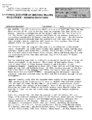
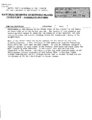
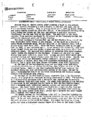
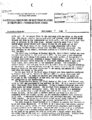
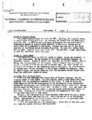
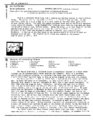
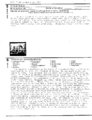
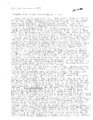
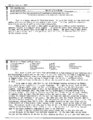
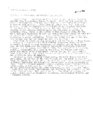
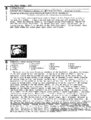
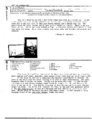
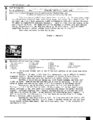
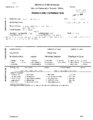
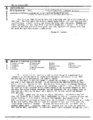
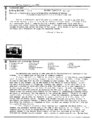
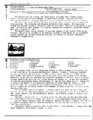
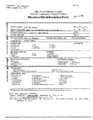
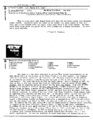
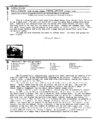
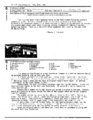
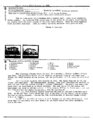
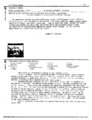
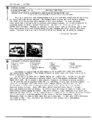
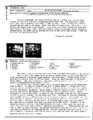
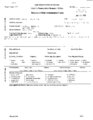
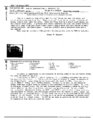
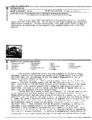
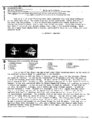
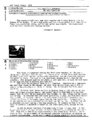
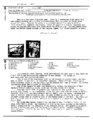
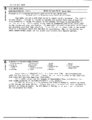
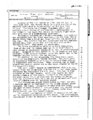
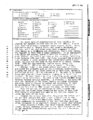
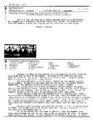
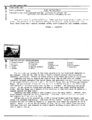
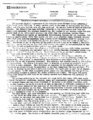
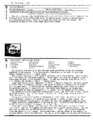
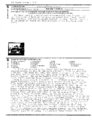
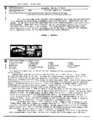
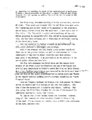
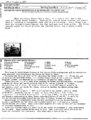
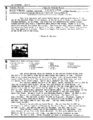
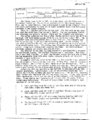
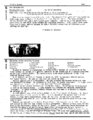
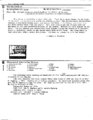
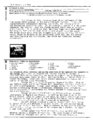
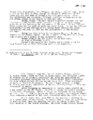
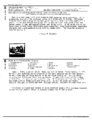
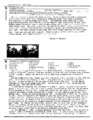
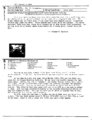
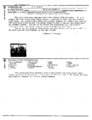
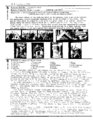
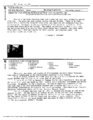
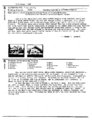
Show FHR-8-300A (11/78) UNITED STATES DEPARTMENT OF THE INTERIOR HERITAGE CONSERVATION AND RECREATION SERVICE NATIONAL REGISTER OF HISTORIC PLACES INVENTORY -- NOMINATION FORM CONTI NU ATION SHEET ITEM NUMBER PAGE "In 1911, an 18 inch main was built from City Creek to 13th Avenue and "J" Street. This temporarily solved the water problem for the upper Avenues and allowed rapid development of the area. However, by the mid-1920s, the limit to which water could be pumped with existing equipment was reached and construction of residences higher on the slope was postponed awaiting new sources of water supply." "Concurrent with the development of water supplies for the district was the establishment of a rail system in the district. By the 1890s trolley lines existed on 1st, 3rd, and 6th Avenues; thus, these streets are wider and flatter than the other Avenue streets." By 1921 the streetcar system ran along 3rd, 6th, and 9th Avenues. The residential and occupational patterns of the Avenues illustrates the evolution of the area. The western portion of the area is located near the L.D.S. Temple. Mormon ecclesiastical leaders, as well as temple workers, have lived in this section of the neighborhood. Various "family patterns" of Avenue home and land ownership have been identified. Important Utah families, such as the Lyons, Romneys, Hansens, Claytons, Brains, Grants, Glades, and Wells maintained strong ties in the Avenues, with properties remaining in family possession. For the most part, these families dealt in real estate. Ownership records indicate that Avenue homes were built by both men and women. The western portion of the district contained various "polygamous houses;" that is, houses built by one man for his several wives. For example, the homes for Henrietta Woolley Simmons and Rachel Enma Simmons, both built in about 1874, are located at 379 and 385 5th Avenue. Both women were wives of Joseph M. Simmons. Widows built homes both for personal use and as rental properties to serve as a source of income. This trend toward rental property would become a prominent one in the Avenues in the twentieth century. Development companies also contributed largely to Avenues growth, especially after 1900. Pattern book houses became much more common. Important among such companies were Salt Lake Security and Trust Company, Modern Home Building Company, and the National Real Estate and Investment Company. In addition, the Heber J. Grant Company, and Taylor, Romney, and Armstrong families built numerous dwellings in the 1910s and 1920s. The mixed character of Avenues population in the late nineteenth and early twentieth centuries reflected the changing character of Salt Lake City. With the increased influence of the mining industry in Utah and improved rail transportation, as well as general rising industrial activity, the socio-economic environment shifted away from the city's earlier agricultural |