| OCR Text |
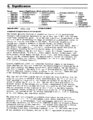
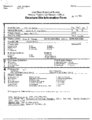
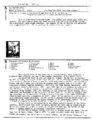
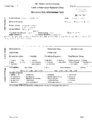
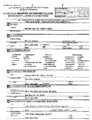
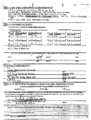
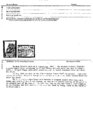
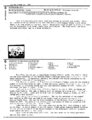
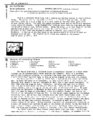
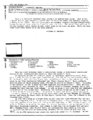
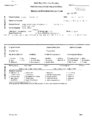
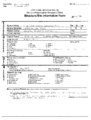
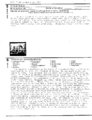
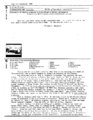
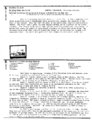
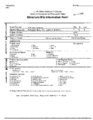
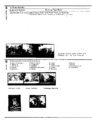
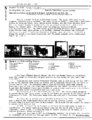
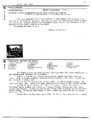
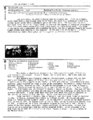
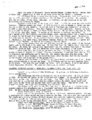
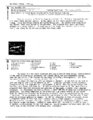
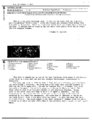
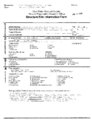
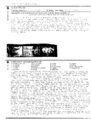
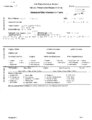
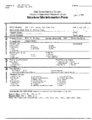
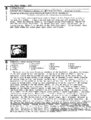
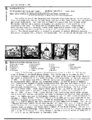
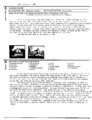
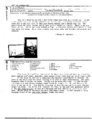
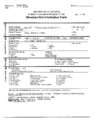
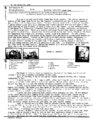
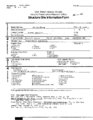
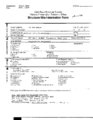
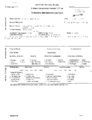
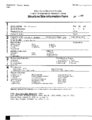
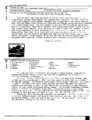
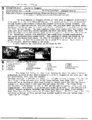
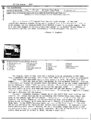
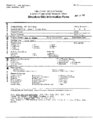
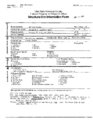
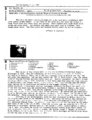
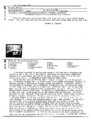
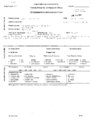
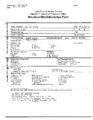
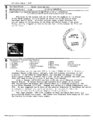
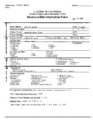
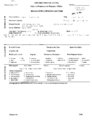
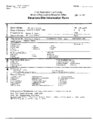
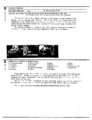
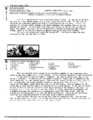
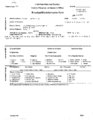
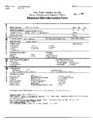
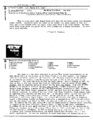
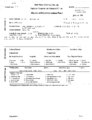
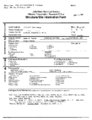
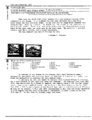
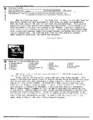
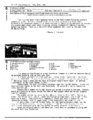
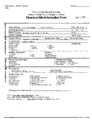
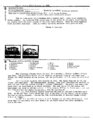
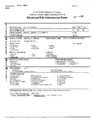
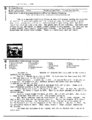
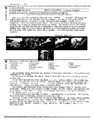
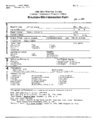
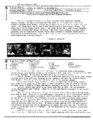
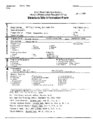
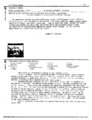
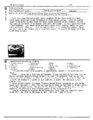
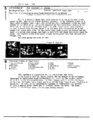
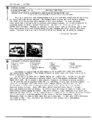
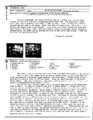
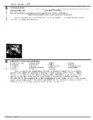
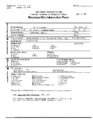
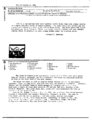
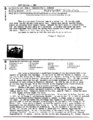
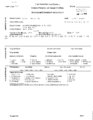
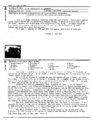
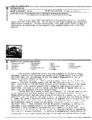
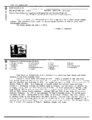
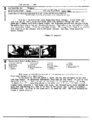
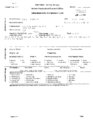
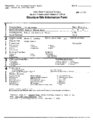
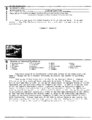
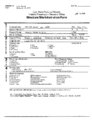
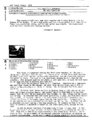
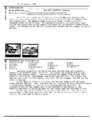
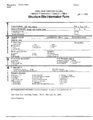
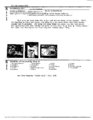
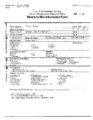
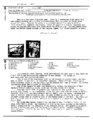
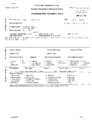
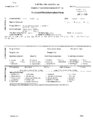
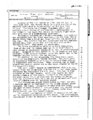
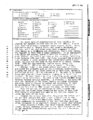
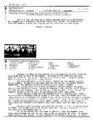
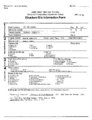
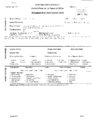
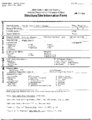
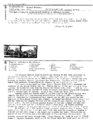
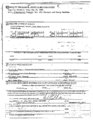
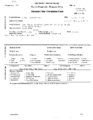
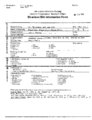
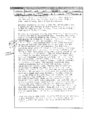
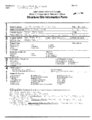
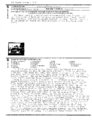
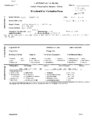
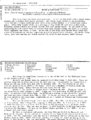
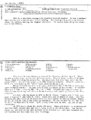
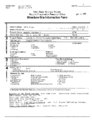
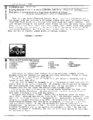
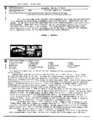
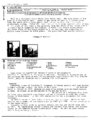
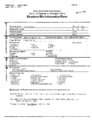
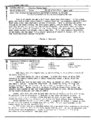
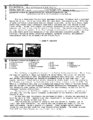
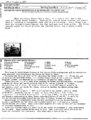
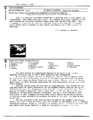
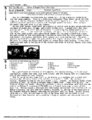
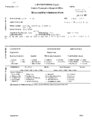
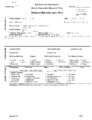
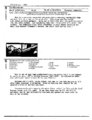
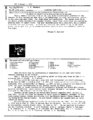
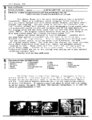
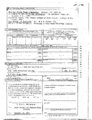
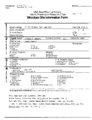
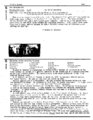
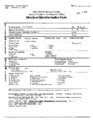
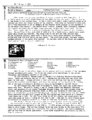
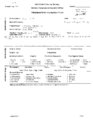
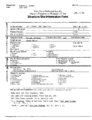
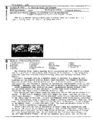
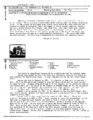
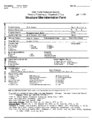
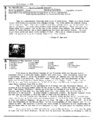
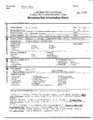
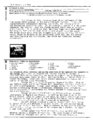
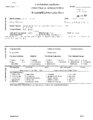
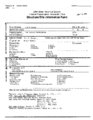
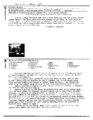
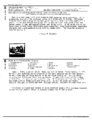
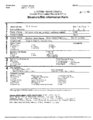
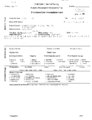
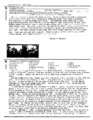
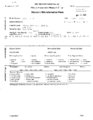
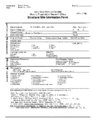
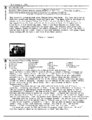
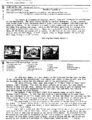
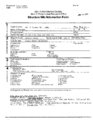
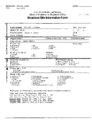
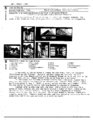
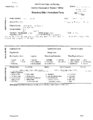
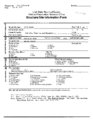
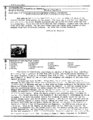
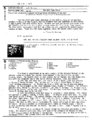
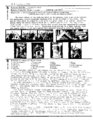
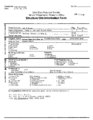
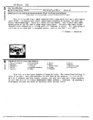
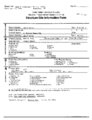
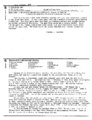
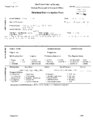
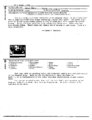
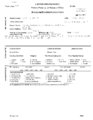
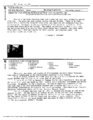
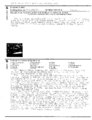
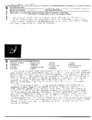
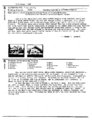
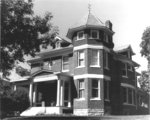
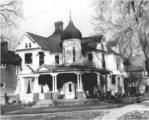
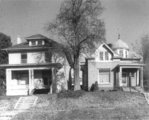
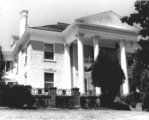
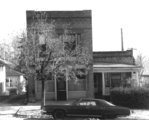
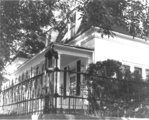
Show 687 2nd Avenue - ca. 1908 Architect/Builder: Building Type/Style: Box type Building Materials: brick Description of physical appearance & significant architectural features: (Include additions, alterations, ancillary structures, and landscaping if applicable) This is a substantial two-story home on a corner lot. It has a hip roof with side dormer windows, a pair of front dormer windows, and wide eaves. The house itself is a rectangular block of beige brick with a darker, rough-faced brick round bay at the south-east corner facing the intersection. A one-story porch with wooden ionic columns on posts runs across the front of the house. It is topped by an iron balustrade. The house has a foundation of large red sandstone blocks. -Thomas W. Hanchett 6 Statement of Historical Significance: D D D O Q Aboriginal Americans Agriculture Architecture The Arts Commerce D d a a D Communication Conservation Education Exploration/Settlement Industry a D a a D Military Mining Minority Groups Political Recreation D a D D Religion Science Socio-Humanitarian Transportation The materials and massing of this home add to the architectural character of the Avenues. It is significant as the home of Jeremiah Langford. The house was built ca. 1908 for Jeremiah E. Langford. A "well-known local business man." According to his obituary, Langford was born September 18, 1848, in Rome, Georgia. He came to Salt Lake City in 1855 in a Mormon ox-cart company. His mother and father both died in the journey, and he was raised in the family of Lorenzo Pettit. He spent his early working years in freighting, farming, and logging. In the early 1890's, he developed a process by which salt from the Great Salt Lake could be sold commercially. He then became an officer of the Inland Crystal Salt Company. By 1892, the company employed 200 people and produced an estimated 250,000 tons of salt. In 1891 the Mormon Church formed the Saltair Beach Company for the purpose of establishing a bathing resort and place of recreation "for the benefit of the Latter-Day Saints." Langford was named superintendent of construction of the resort. After its completion, he became its gen eral manager, and in 1906, he, Nephi W. C. Layton, and Charles W. Nibley, bought the resort from the Mormon Church. Langford also became President and general manager of the Saltair and Railway Company, a sixteen mile railroad from Salt Lake City; to Saltair. Soon after the railroad was organized in 1891, its name was changed to the Salt Lake and Los Angeles Railway Company. In 1915, Langford patented a metal railroad tie, organized the Metal Safety Tie Company, and afterward devoted most of his time to the operation of the company. In 1916 Langford sold the house to Joseph Nelson, who had taken over for him as president and general manager of the Saltair Beach Company and was also president of the Salt Lake Garfield and Western Railway Company. Only a little is known about Nelson. ] He was born |