| OCR Text |
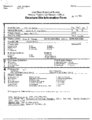
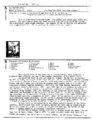
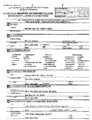
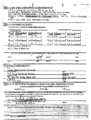
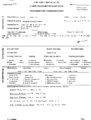
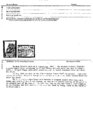
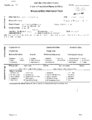
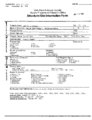
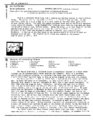
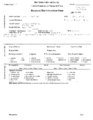
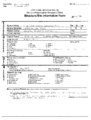
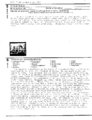
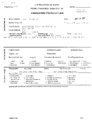
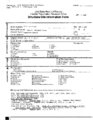
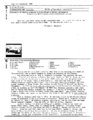
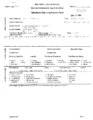
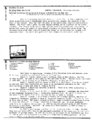
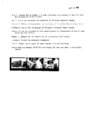
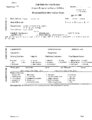
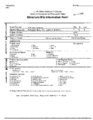
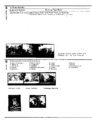
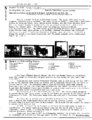
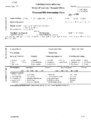
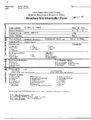
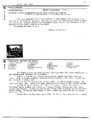
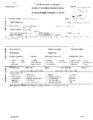
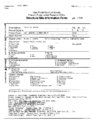
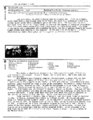
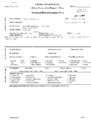
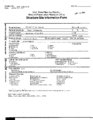
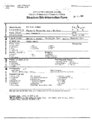
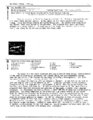
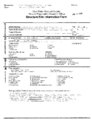
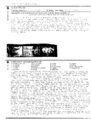
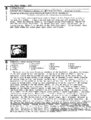
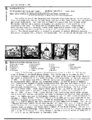
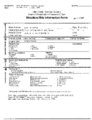
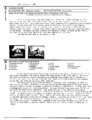
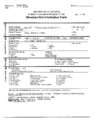
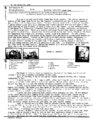
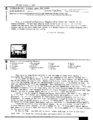
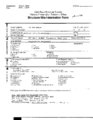
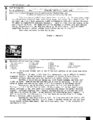
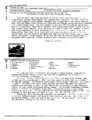
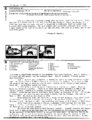
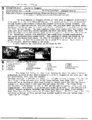
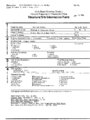
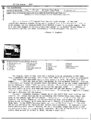
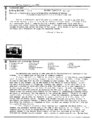
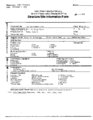
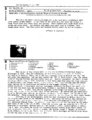
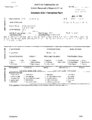
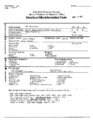
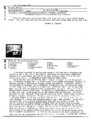
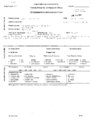
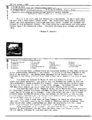
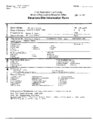
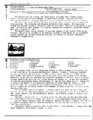
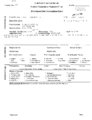
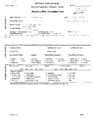
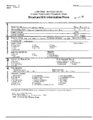
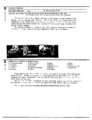
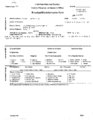
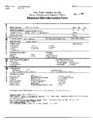
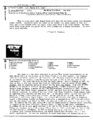
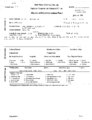
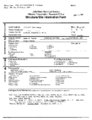
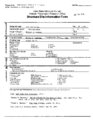
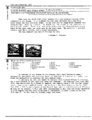
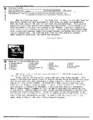
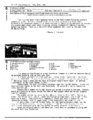
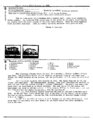
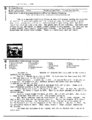
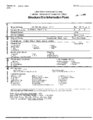
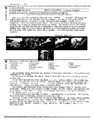
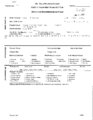
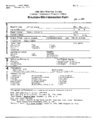
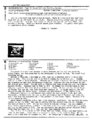
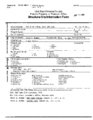
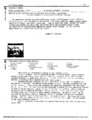
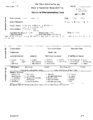
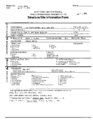
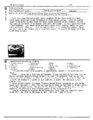
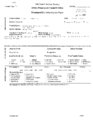
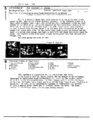
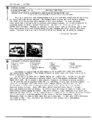
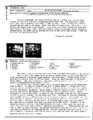
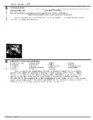
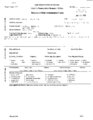
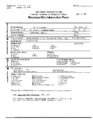
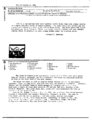
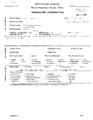
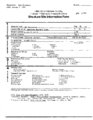
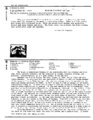
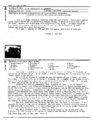
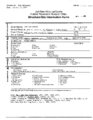
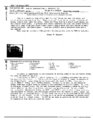
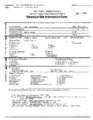
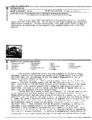
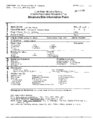
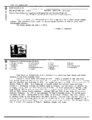
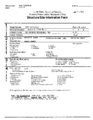
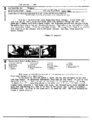
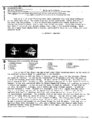
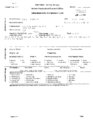
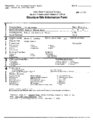
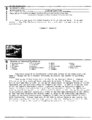
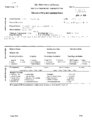
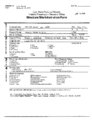
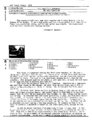
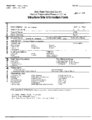
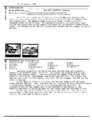
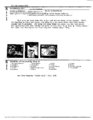
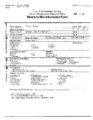
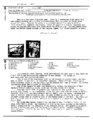
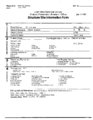
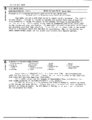
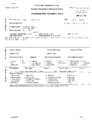
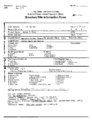
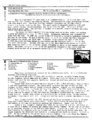
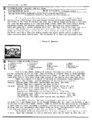
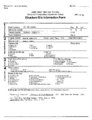
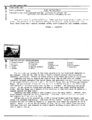
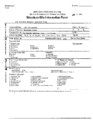
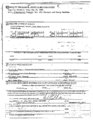
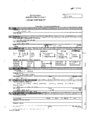
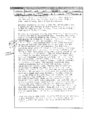
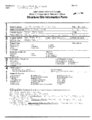
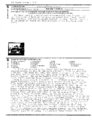
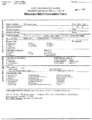
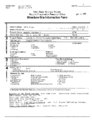
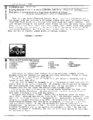
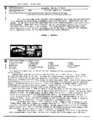
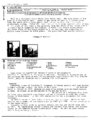
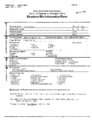
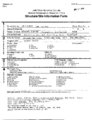
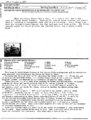
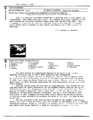
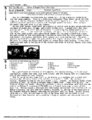
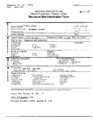
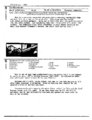
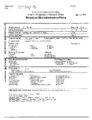
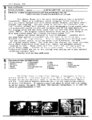
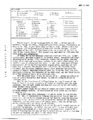
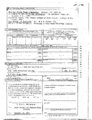
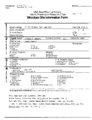
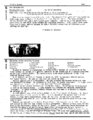
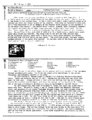
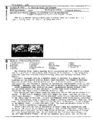
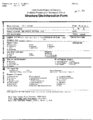
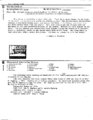
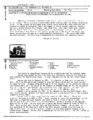
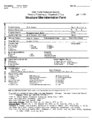
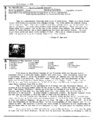
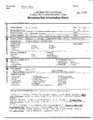
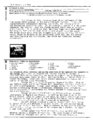
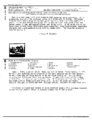
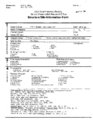
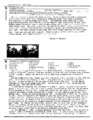
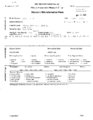
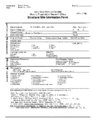
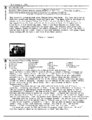
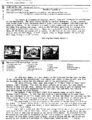
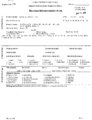
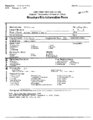
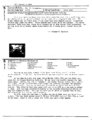
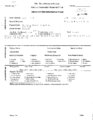
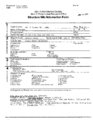
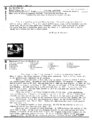
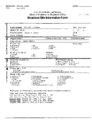
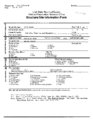
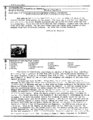
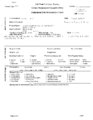
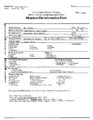
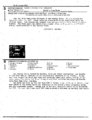
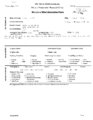
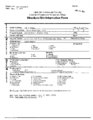
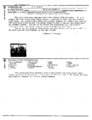
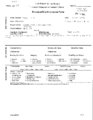
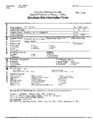
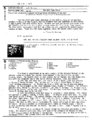
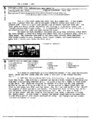
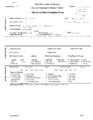
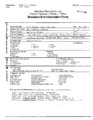
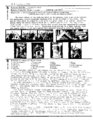
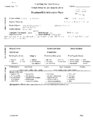
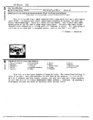
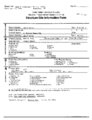
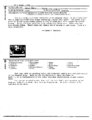
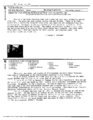
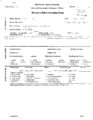
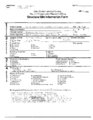
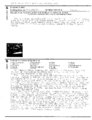
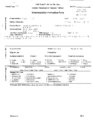
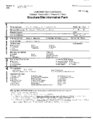
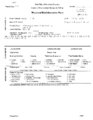
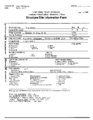
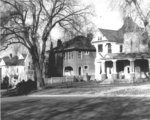
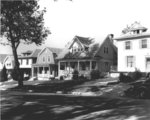
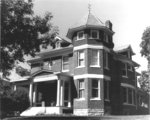
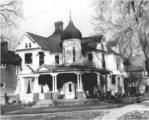
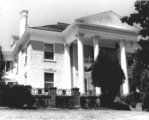
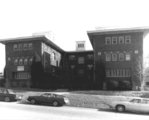
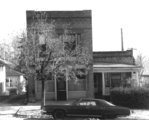
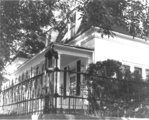
Show 5 ? 254 7th Avenue-1905 Architect/Builder: Richard Rietting Building Materials: brick Building Type/Style: colonial Revival Description of physical appearance & significant architectural features: ^ (Include additions, alterations, ancillary structures, and landscaping if applicable) This is an imposing two story Colonial Revival home on a corner lot. It has a hip roof, and two pairs of tall end chimneys. There is a front center eyelid window in the roof. There is an enclosed front center first story porch. - Thomas W. Hanchett £| > O £ I Statement of Historical Significance: D D D D D Aboriginal Americans Agriculture Architecture The Arts Commerce a D D D D Communication Conservation Education Exploration/Settlement Industry D D D D D Military Mining Minority Groups Political Recreation D n D D Religion Science Socio-Humanitarian Transportation The Colonial Revival Style materials and massing of this home contribute to the architectural character of the Avenues. This style was part of the Colonial Revival in the United States in the 1890's-1920 f s in which designers turned away from European to American Colonial prototypes for inspiration. The home was designed by famous Utah architect Richard Kletting, designer of the Utah State Capitol. This house was designed for Isaac Ambrose Clayton (1867-1937), secretary and terasurer of the Inland Crystal Salt Co. Clayton was one of the many sons of William Clayton. He worked for ZCMI from the time he was twelve until 1888. In 1888 he left ZCMI to work as assistant recorder of marks and brands and acting territorial librarian with his brother Nephi W. Clayton. He held these positions until 1892. Clayton helped his brother Nephi W. Clayton organize the Inland Crystal Salt Company, the first salt manufacturing establishment in Utah in 1889. In 1891 the brothers organized the Intermountain Salt Company and in 1898 they merged the two companies to form Inland Crystal Salt Company. He helped his brother build Saltair and the Salt Lake and Los Angeles Railroad and was secretary and treasurer for them for several years. In 1922 he became general manager of the salt company and held that position until 1924 when the firm became Royal Crystal Salt. He became treasurer of the new company. He was also secretary and treasurer of Briham Young Trust Company. He had married in 1890 Brigham Young's youngest daughter, Fannie VanGott Young (1870-1950). The Claytons lived here until 1925 then sold the property to Stephen L, Richards and his wife, Irene M. who bought and occupied the house. Richards was an apostle of the LDS Church and a vice-president of the Utah State National Bank. The Richards occupied the house through 1940. (Isaac Clayton Jr. lived at 1156 3rd Avenue; Fannie V. Clayton eventually moved to 171 1st Avenue where she lived until her death.) |