| OCR Text |
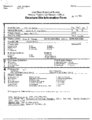
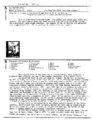
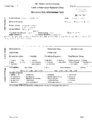
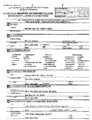
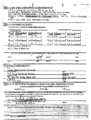
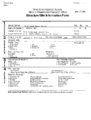
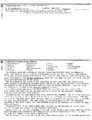
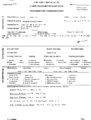
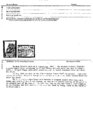
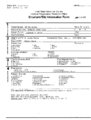
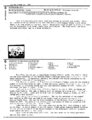
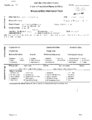
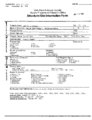
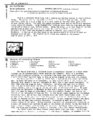
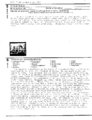
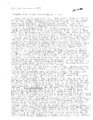
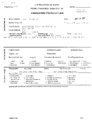
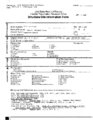
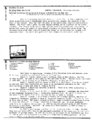
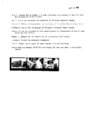
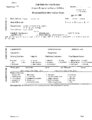
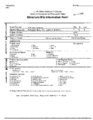
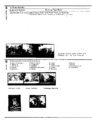
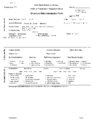
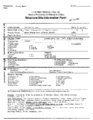
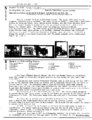
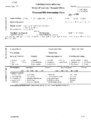
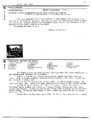
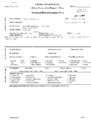
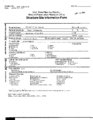
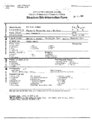
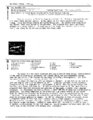
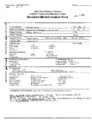
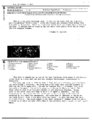
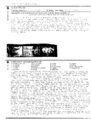
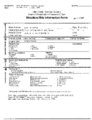
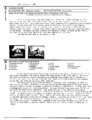
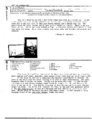
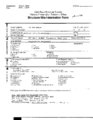
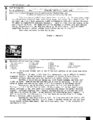
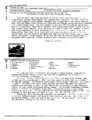
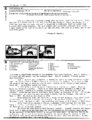
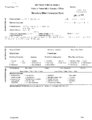
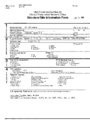
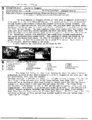
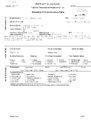
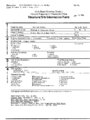
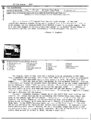
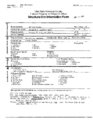
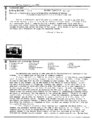
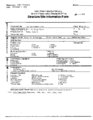
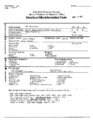
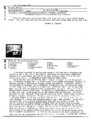
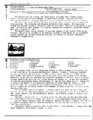
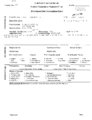
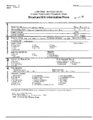
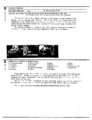
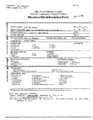
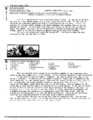
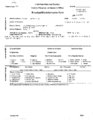
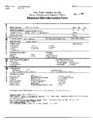
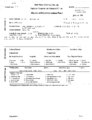
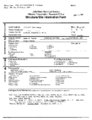
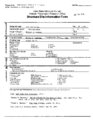
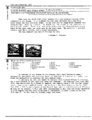
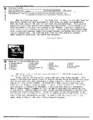
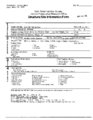
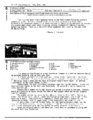
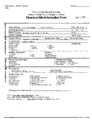
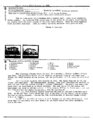
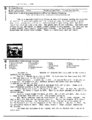
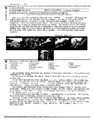
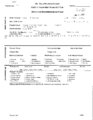
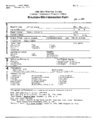
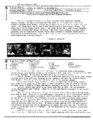
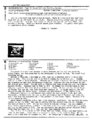
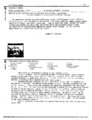
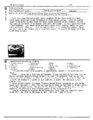
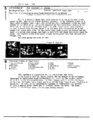
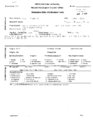
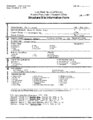
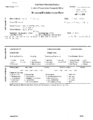
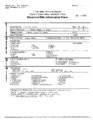
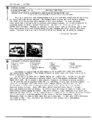
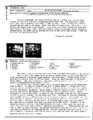
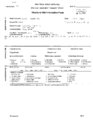
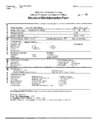
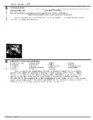
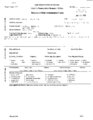
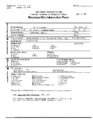
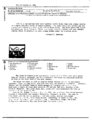
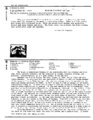
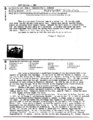
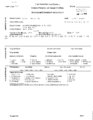
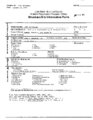
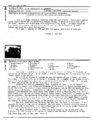
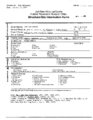
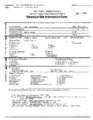
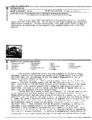
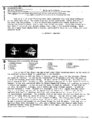
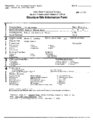
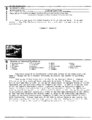
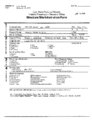
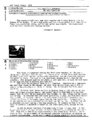
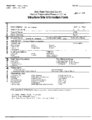
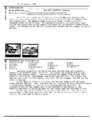
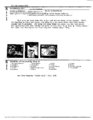
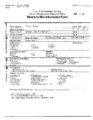
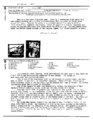
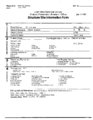
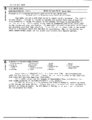
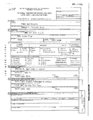
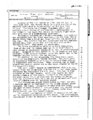
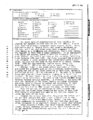
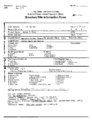
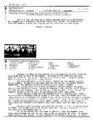
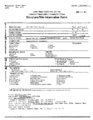
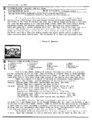
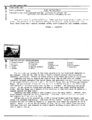
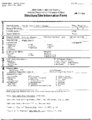
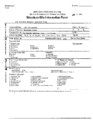
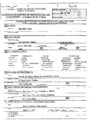
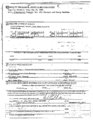
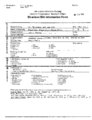
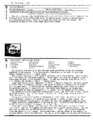
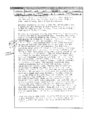
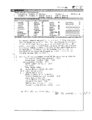
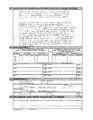
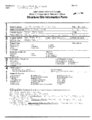
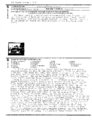
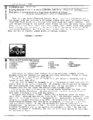
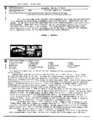
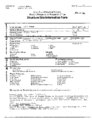
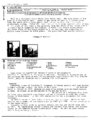
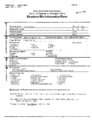
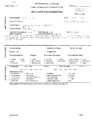
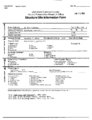
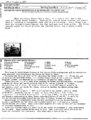
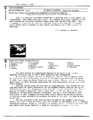
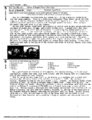
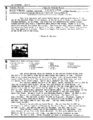
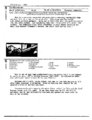
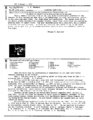
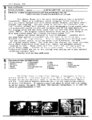
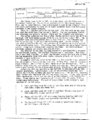
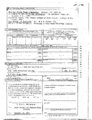
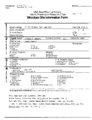
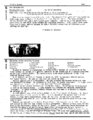
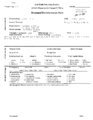
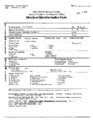
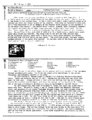
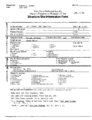
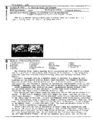
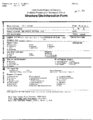
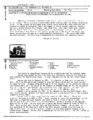
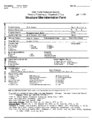
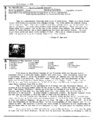
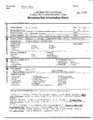
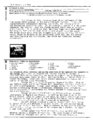
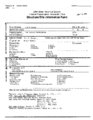
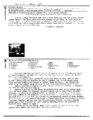
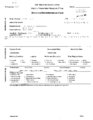
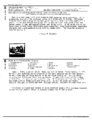
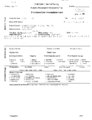
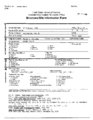
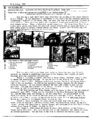
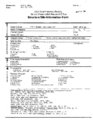
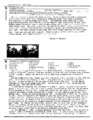
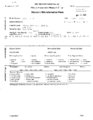
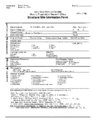
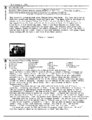
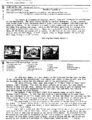
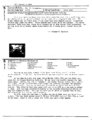
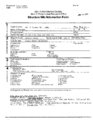
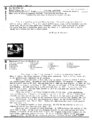
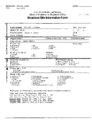
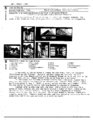
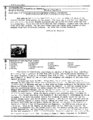
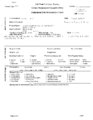
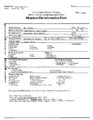
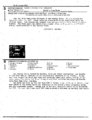
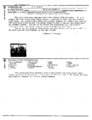
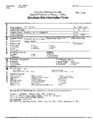
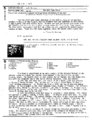
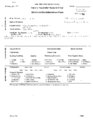
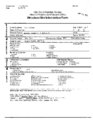
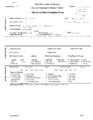
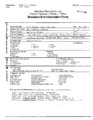
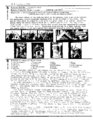
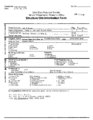
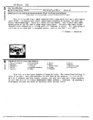
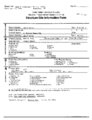
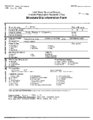
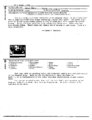
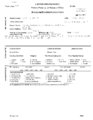
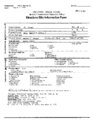
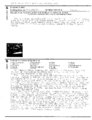
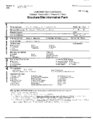
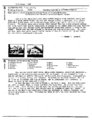
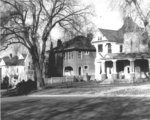
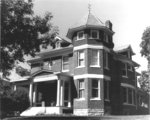
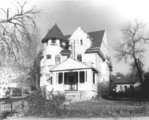
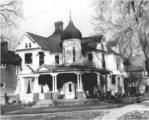
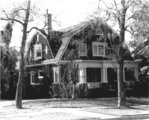
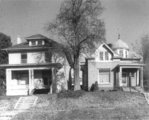
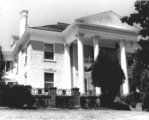
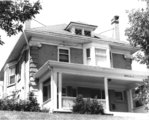
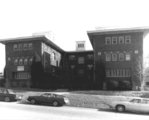
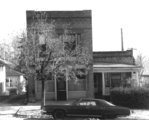
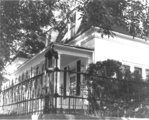
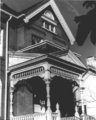
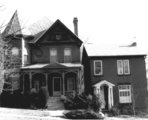
Show 711 2nd Avenue - ca. 1903 Architect/Builder: Building Type/Style: Victorian eclectic Building Materials: brick Description of physical appearance & significant architecturalfeatures: (Include additions, alterations, ancillary structures, and landscaping if applicable) This is a two-story cube-shaped home with a hip roof and a woodshingle sided front center dormer window. At the front of the house is a two-story bay window of rough faced brick with stone sills and lintels. Other windows have rough-faced brick arches and stone sills. All windows have small pane upper sash or transoms, with single panes below. The front porch and Colonial Revival entry may not be original. -Thomas W. Hanchett Statement of Historical Significance: D D D D D Aboriginal Americans Agriculture Architecture The Arts Commerce Q D D D D Communication Conservation Education Exploration/Settlement Industry D D a a D Military Mining Minority Groups Political Recreation Q a D D Religion Science Socio-Humanitarian Transportation This is one of four houses built in this lot by mining entrepreneur Robert E. McConaughy in 1903. Upon its completion, he sold this property to Anner H. Perkins who sold it to Ellis R. Shipp, one of the most important women in Utah of the late 19th and early 20th centuries. She was born January 20, 1827 in Davis County, Iowa* the eldest child of William Fletcher and Anna Hawley Reynolds. Shortly thereafter, the family joined the Mormon Church and, in 1852, emigrated to Utah where they were among the first settlers of Battle Creek, now Pleasant Grove, in Utah County. Ellis was fourteen when her mother died, leaving her as housekeeper and mother to the younger children. Within a year her father remarried, a development that was apparently difficult for Ellis, who spent much of the next few years with her grandparents, William J. and Ellis E. Hawley, who lived in American Fork. In 1865, when she was eighteen, Ellis cought the attention of Brigham Young, then on one of his periodic tours of the territory. He offered her the opportunity to go to SLC with him, live in his official residence, the Lion House, and "be one of his own children." Ellis accepted the offer and studied at the Lion House for about eight months, According to her autobiography, Ellis had been interested in Milford Bard Shipp for several years prior to her residence in SLC. Bard Shipp had already been married and divorced twice, and so his attentions to Ellis were met with suspicion by those close to her, including Brigham Young. In spite of these objections she married Shipp in the Endow ment House in SLC in May (5) of 1866. From this marriage came ten children, only five of whom grew to adulthood: Milford Bard Jr., who became a doctor; Richard Asbury, a lawyer; Olea S. Hill, born while her mother was attending medical school; Ellis Shipp Musser, who went to Columbia University, became a teacher, and married Joseph W. Musser, an activist in an offshoot of the Mormon Church that advocated plural marriage; and Nellie Shipp McKinney was the baby of the family, born in 1889. |