| OCR Text |
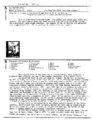
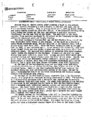
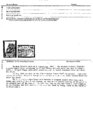
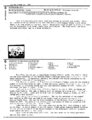
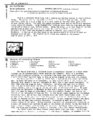
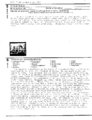
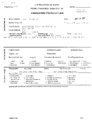
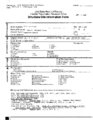
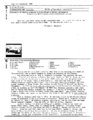
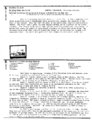
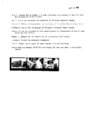
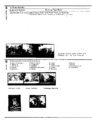
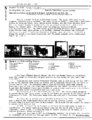
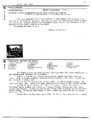
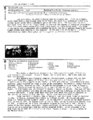
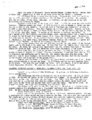
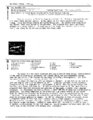
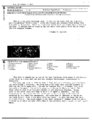
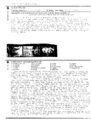
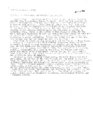
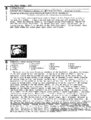
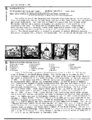
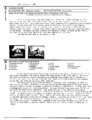
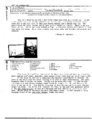
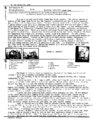
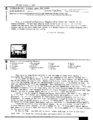
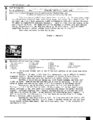
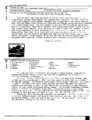
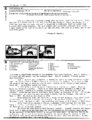
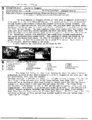
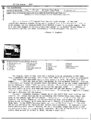
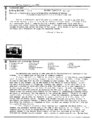
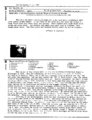
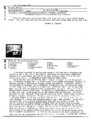
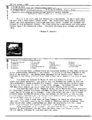
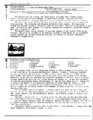
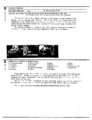
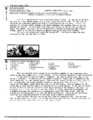
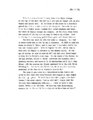
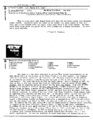
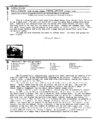
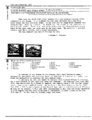
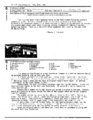
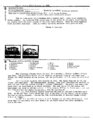
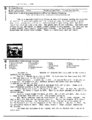
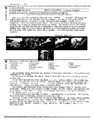
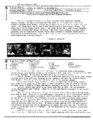
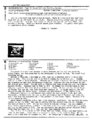
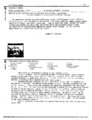
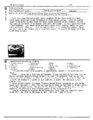
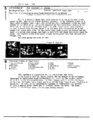
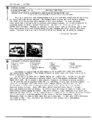
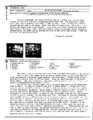
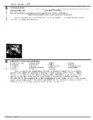
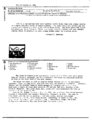
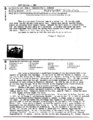
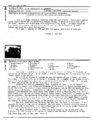
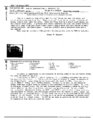
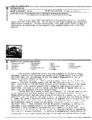
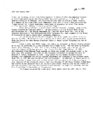
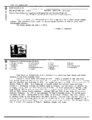
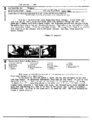
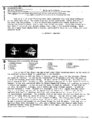
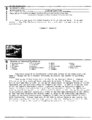
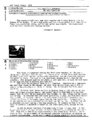
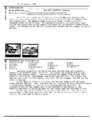
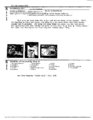
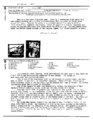
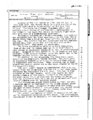
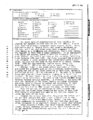
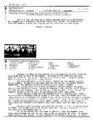
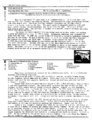
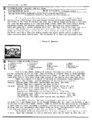
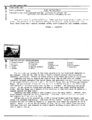
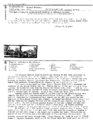
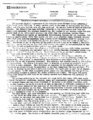
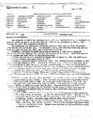
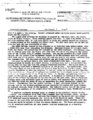
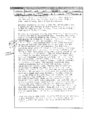
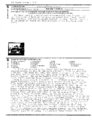
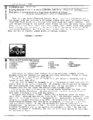
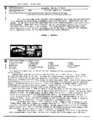
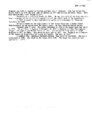
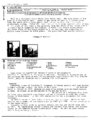
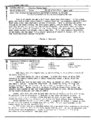
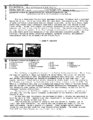
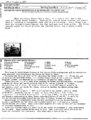
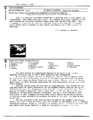
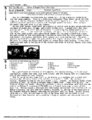
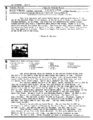
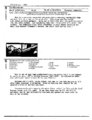
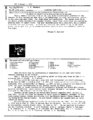
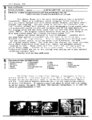
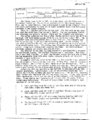
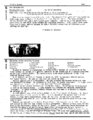
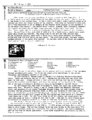
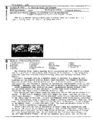
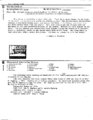
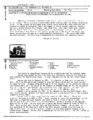
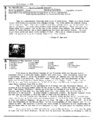
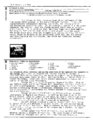
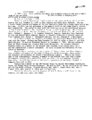
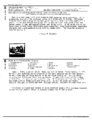
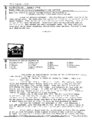
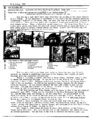
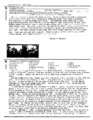
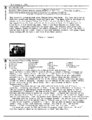
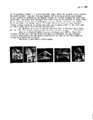
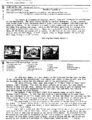
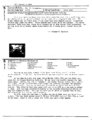
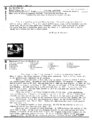
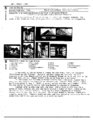
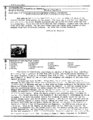
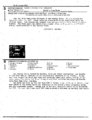
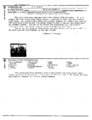
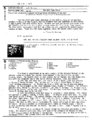
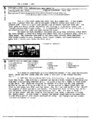
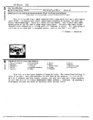
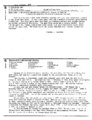
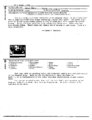
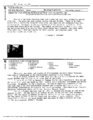
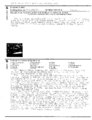
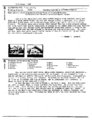
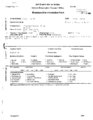
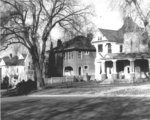
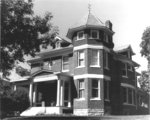
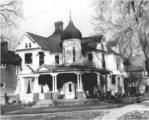
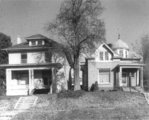
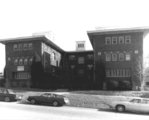
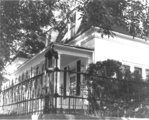
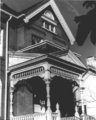
Show 1184 First Avenue - ca. 1905 STATEMENT OF HISTORICAL SIGNIFICANCE (continued): '."/alter Ware gained much of his early architectural for the Union Pacific Hallroad in Omaha, Nebraska, an< In the 1880s he began practicing architecture in Denver and about 1890 moved to Salt Lake City. He practiced in Salt Lake for more than a decade before Alberto 0. Treganza joined him in 1901. Fifteen years Ware's junior, Treganza. (1876-1944) v/ras born in Denver and studied archi tecture at Cornell University. He apprenticed with the firm of W. S. Ilebbard and Irving Gill in San Diego and arrived in'Salt Lake City about 1901. With the commencement of their partnership, Ware, earlier noted for his numerous works inSa.lt Lake City, assumed the business responsi Ulities of the firm including the writing of specifications, while Treganza worked on design. Despite their different roles and personalities, the firm v/as well known for maintaining high ethical standards and careful attention to construction supervision. Their commissions ranged from large club buildings and. warehouses to numerous schools and la.rge residences. Among the buildings that Ware designed were the First Presbyterian Church of Salt Lake, Salt Lake City's University Club Building, theAviation Club, the Commercial Club,theF. W. Woolworth Company store, Spalding Memorial Hall of St. Mark's Episcopal Cathedral, St. John's Svangelical Lutheran Church, Ht. Pleasant Presbyterian Church, Logan's Presbyterian Church, St, Thomas Acquinas Catholic Church, Logan, St. Anthony Catholic Church in Helper, the University of Utah Health Center, and the Westminster College Gymnasium. He directed the remodeling of the present Salt Lake Tribune building andalso the construction of the Salt Lake Tribune mechanical department building. Other business construction • included the Salt in Boise, Idaho, and Grand Junetion,Colorado, and the Purity Bisquit Company plant in Salt LakeCity. On July 14, "1890, Mr. V/are married Jennie Hartley. She had been born in England in 186? » the daughter of Richard and Mary Dayton Hartley. She came to the United States with her parents in 18?1. At the tirneof her marriage she v/as teaching school in Laramie, Wyoming. The couple soon moved to Salt Lake City where she became a prominent clubwoman. "/are occupied the house until his death in 1951? after which it passed to his daughter, Florence, who v/as a. well-known Utah artist. A one-time member of the University of Utah Department of Fine Arts, she studied at the Chicago Art Institute under Charles Hawthorne and graduated from the University of Utah, studying under J. T. Harwoocl. Primarily, a. landscape artist, she also did costume and scenic design for the University of Utah Drama Department. A review of one ofher exhibits gives an indication of her work. (Salt Lake Tribune, Oct. 30, 1966). "A painting exhibit from the hand of a sensitive artist is being shown at the ZCMI Tea Room. The group of oils x by Florence V/are covers the available space and it may require some walking around to see it all, but it is well worth the effort. Miss Ware enjoys a solid reputation for competent handling of theoil medium Her choices of subject matter-fields, stream, mountain landscapes, and portraits-deal with a, pleasant, well-schooled sort of beauty that delights the eye with a. consistently ordered and a highly controlled palette. The lighting on her landscape themes is gentle and friendly to the forms on which it falls, "Spring Blossoms.' 1 is representative of the element of seasonal delight that persists in the fragile aura of momentary change, Tb study is poised between the fickle extremes of coolness and warmth. Soft edges of blossom and foliage yield against shadows of precisely calculated pigment with a. deftness that enlists poetic fantasy from visual reality. Florence Wa^e thoroughly understands the painterly craft; knows what sne ^ants from it and. gets directly to thepoint. A small desert landscape, ' " for Survival,' entertains the notion of struggle without violence. |