| OCR Text |
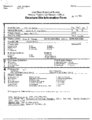
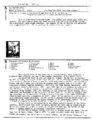
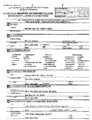
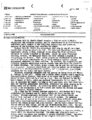
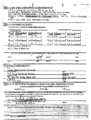
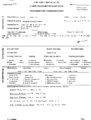
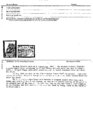
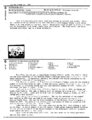
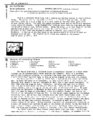
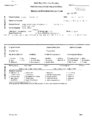
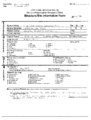
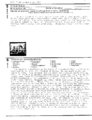
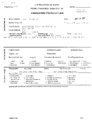
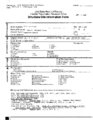
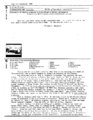
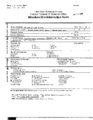
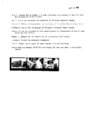
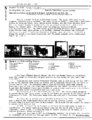
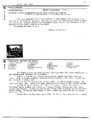
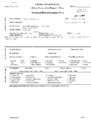
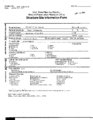
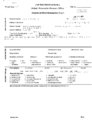
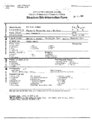
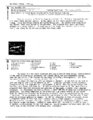
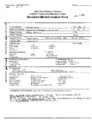
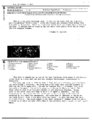
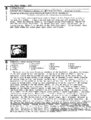
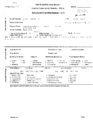
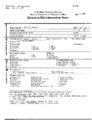
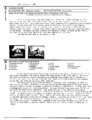
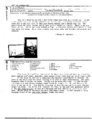
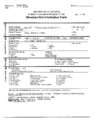
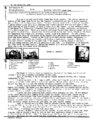
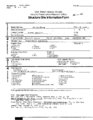
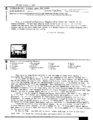
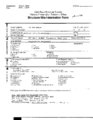
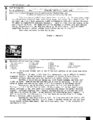
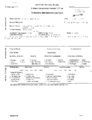
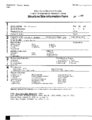
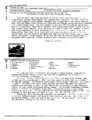
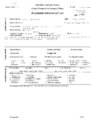
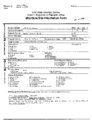
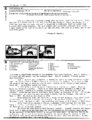
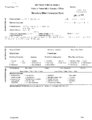
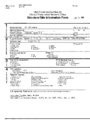
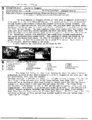
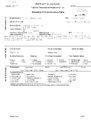
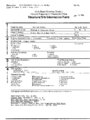
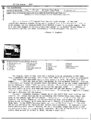
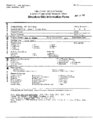
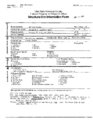
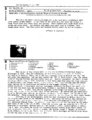
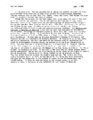
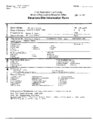
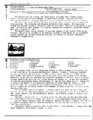
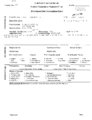
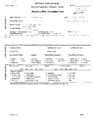
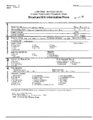
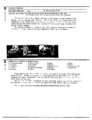
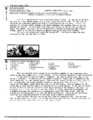
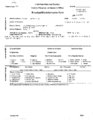
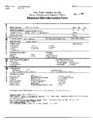
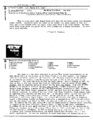
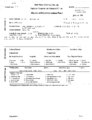
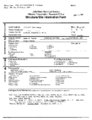
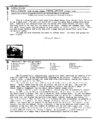
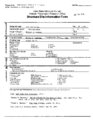
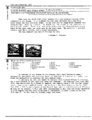
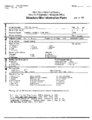
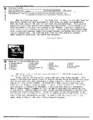
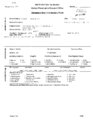
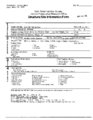
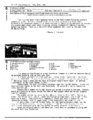
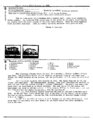
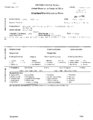
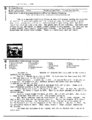
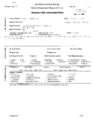
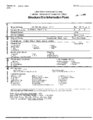
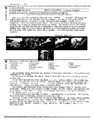
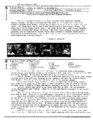
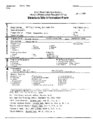
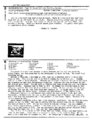
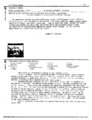
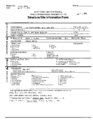
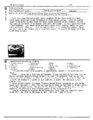
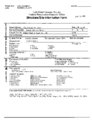
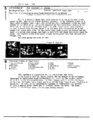
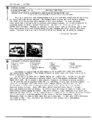
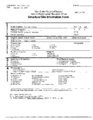
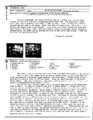
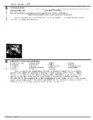
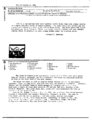
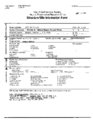
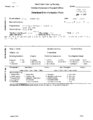
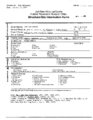
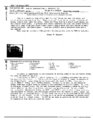
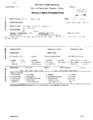
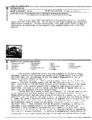
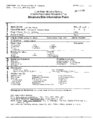
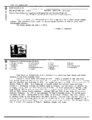
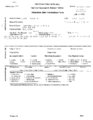
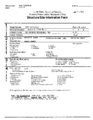
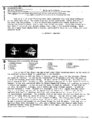
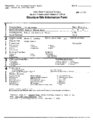
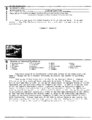
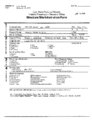
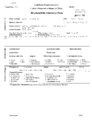
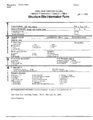
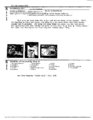
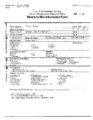
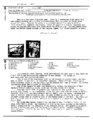
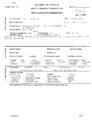
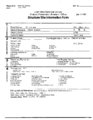
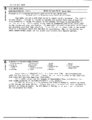
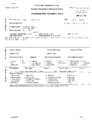
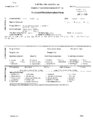
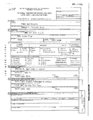
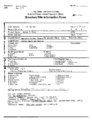
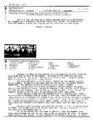
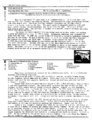
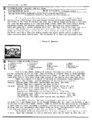
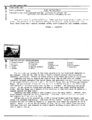
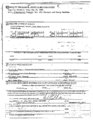
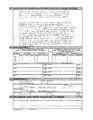
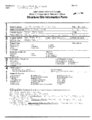
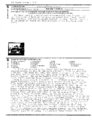
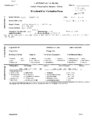
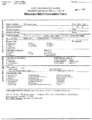
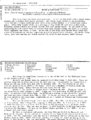
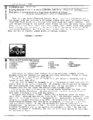
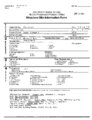
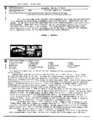
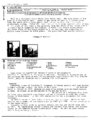
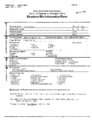
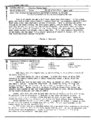
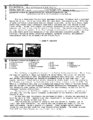
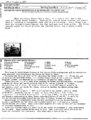
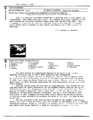
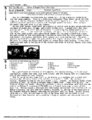
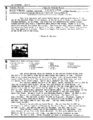
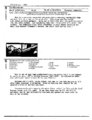
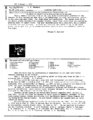
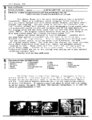
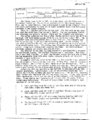
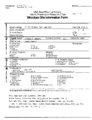
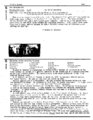
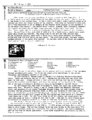
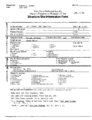
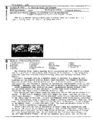
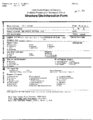
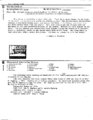
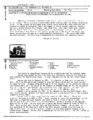
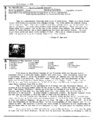
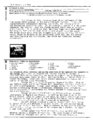
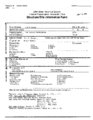
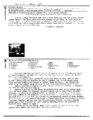
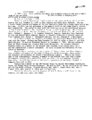
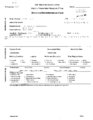
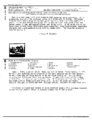
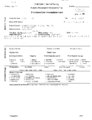
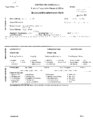
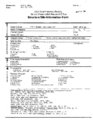
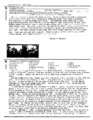
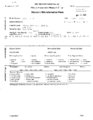
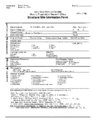
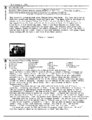
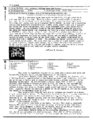
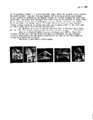
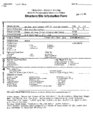
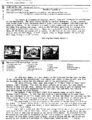
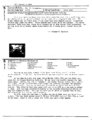
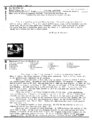
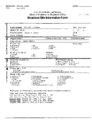
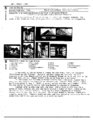
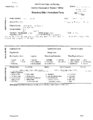
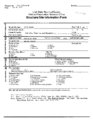
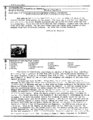
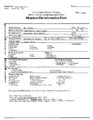
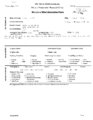
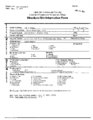
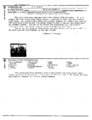
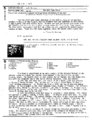
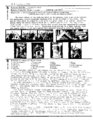
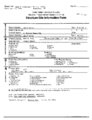
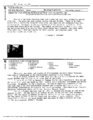
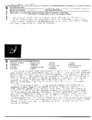
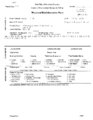
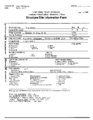
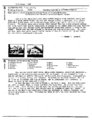
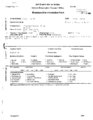
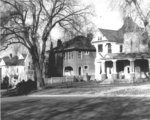
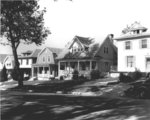
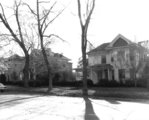
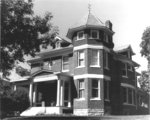
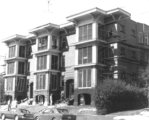
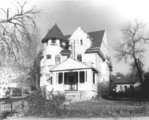
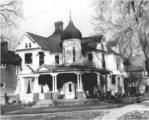
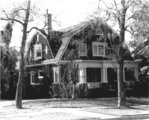
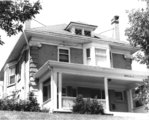
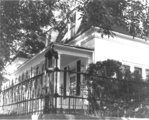
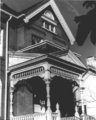
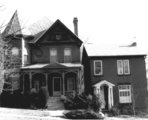
Show 1897 615 1st Avenue Architect/Builder: Building Type/Style: Italiante Building Materials: brick Description of physical appearance & significant architectural features: (Include additions, alterations, ancillary structures, and landscaping if applicable) This is a two-story Italiante had a balustraded "widow's walk." drip molding decoration. There is hip roof. A similar roof is found have its original columns. home. It has low hip roofs that may once have Above the windows are corbeled brick arches with a one-story brick front bay window with a truncated on the one-story front porch, which may no longer -Thomas W. Hanchett Statement of Historical Significance: O Q D D a Aboriginal Americans Agriculture Architecture The Arts Commerce D D D D O Communication Conservation Education Exploration/Settlement Industry a D D D O Military Mining Minority Groups Political Recreation D D D a Religion Science Socio-Humanitarian Transportation This home is significant as one of the best Italianate Style homes in the Avenues. It was built at a time when the area was becoming increasingly heterogeneous in population. The house was built in 1889 for John J. Duke who ran a millinery goods business, but later became a policeman. He lived here a few years then sold the property in 1894 for $11,000 to Agnes Rich. She and her husband John T., a banker, also lived here only a few years. She sold the property to George W. Mayer, a lawyer. Two years later he sold it to William H Boothe, a life insurance salesman. Boothe lived in the house until 1913 when he sold it to Henry M. Adkinson. The city directories of the time do not list an occupation for him, and no obituary was published in Salt Lake City newspapers. His widow Inez R. Adkinson, a teacher at East High School, lived in the house after his death. In 1931, the house was sold to Joseph Kimball. The house passed to his widow Lathilla P. Kimball after his death. She lived in it until the late 1940 f s when it was converted into a number of small apart ments. |