| OCR Text |
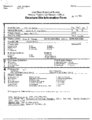
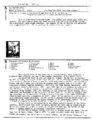
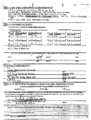
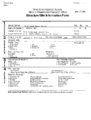
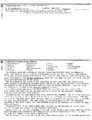
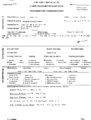
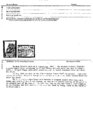
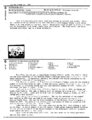
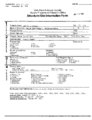
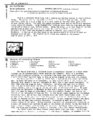
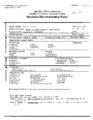
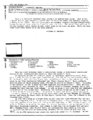
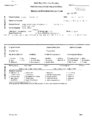
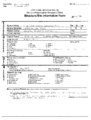
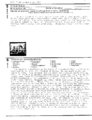
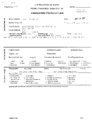
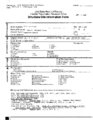
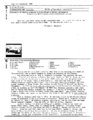
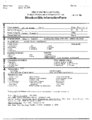
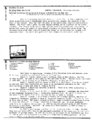
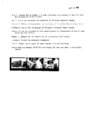
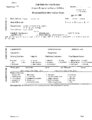
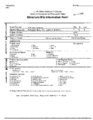
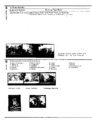
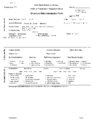
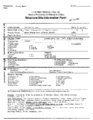
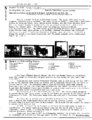
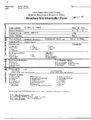
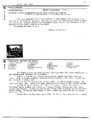
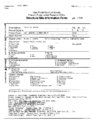
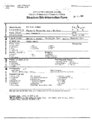
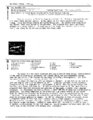
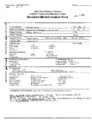
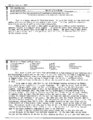
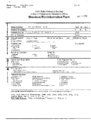
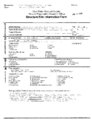
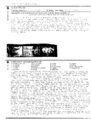
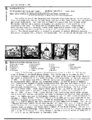
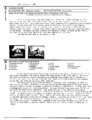
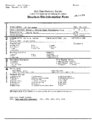
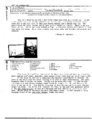
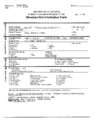
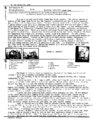
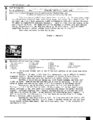
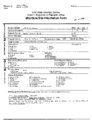
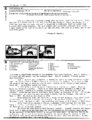
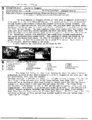
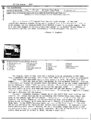
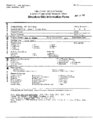
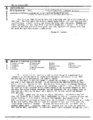
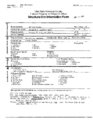
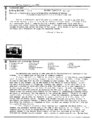
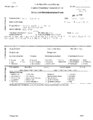
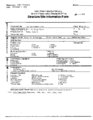
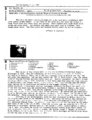
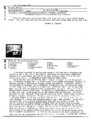
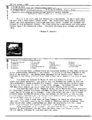
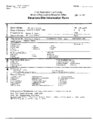
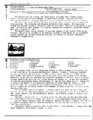
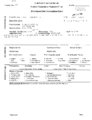
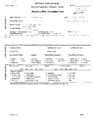
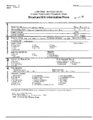
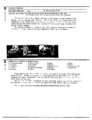
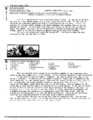
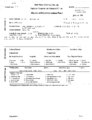
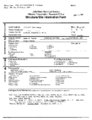
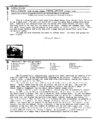
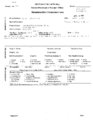
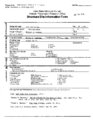
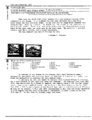
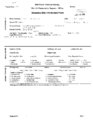
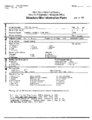
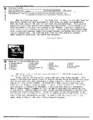
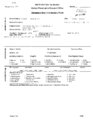
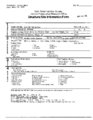
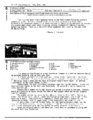
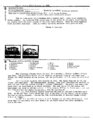
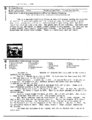
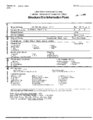
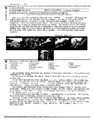
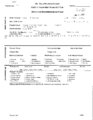
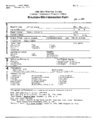
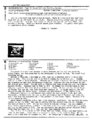
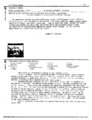
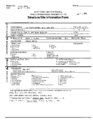
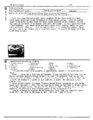
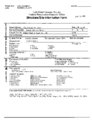
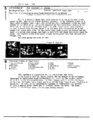
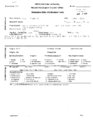
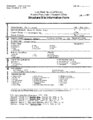
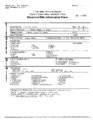
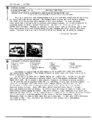
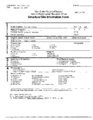
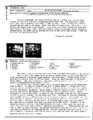
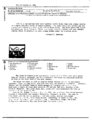
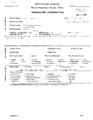
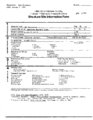
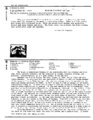
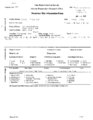
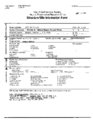
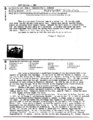
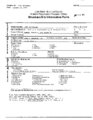
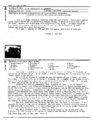
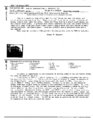
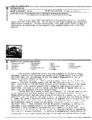
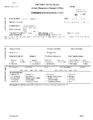
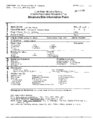
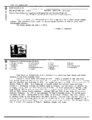
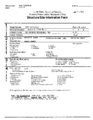
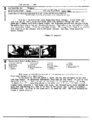
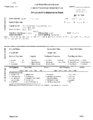
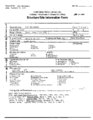
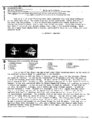
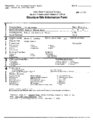
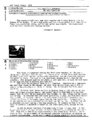
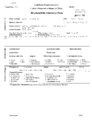
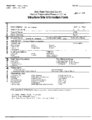
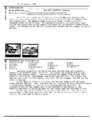
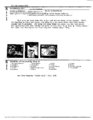
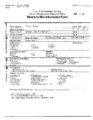
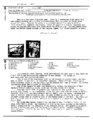
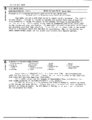
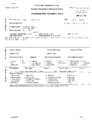
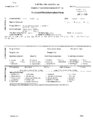
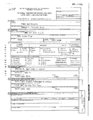
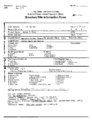
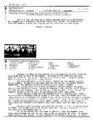
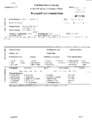
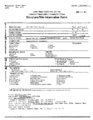
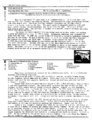
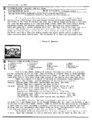
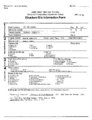
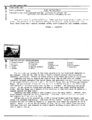
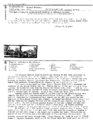
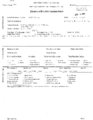
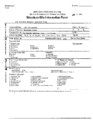
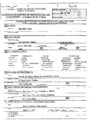
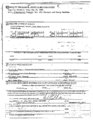
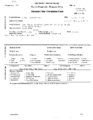
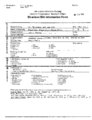
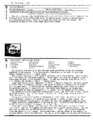
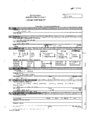
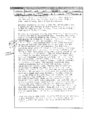
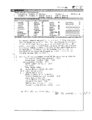
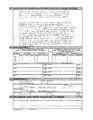
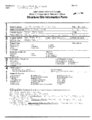
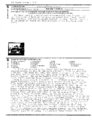
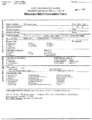
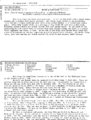
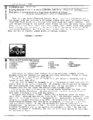
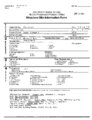
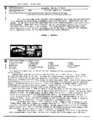
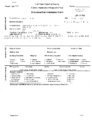
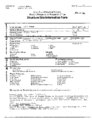
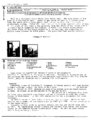
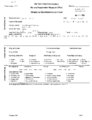
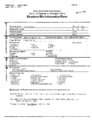
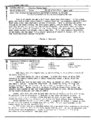
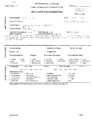
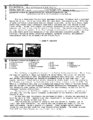
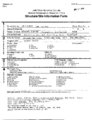
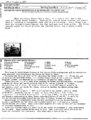
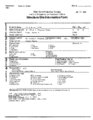
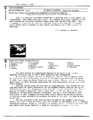
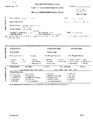
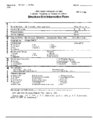
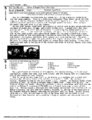
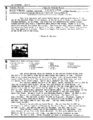
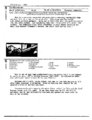
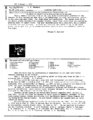
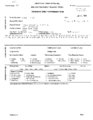
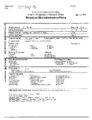
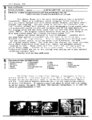
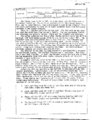
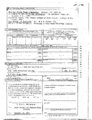
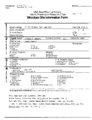
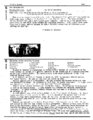
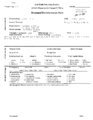
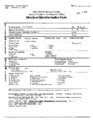
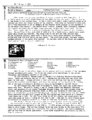
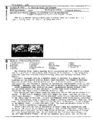
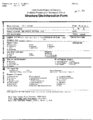
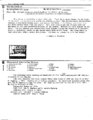
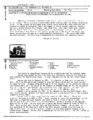
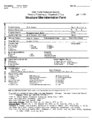
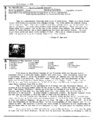
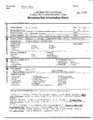
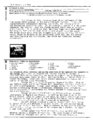
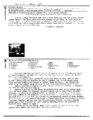
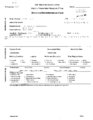
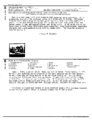
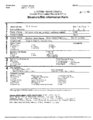
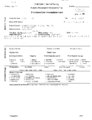
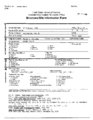
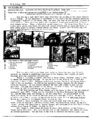
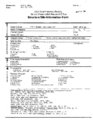
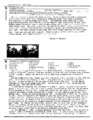
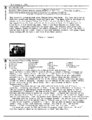
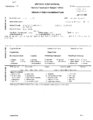
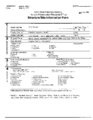
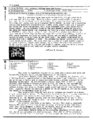
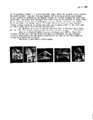
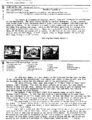
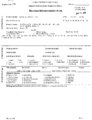
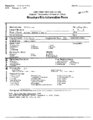
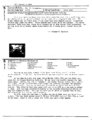
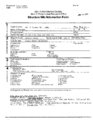
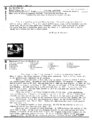
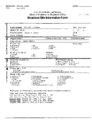
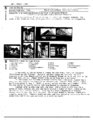
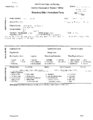
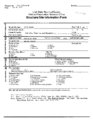
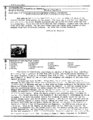
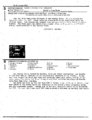
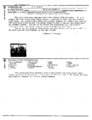
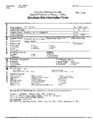
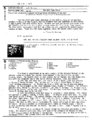
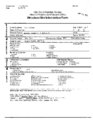
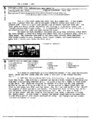
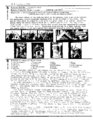
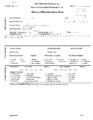
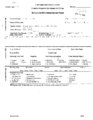
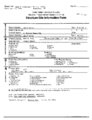
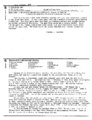
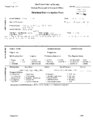
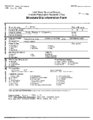
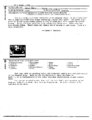
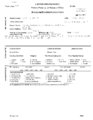
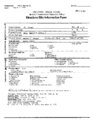
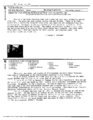
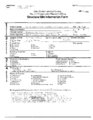
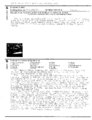
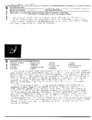
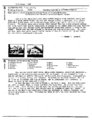
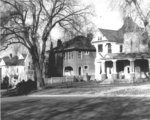
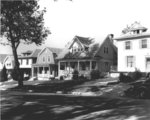
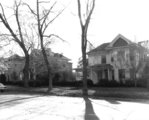
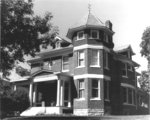
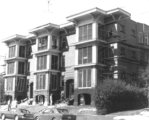
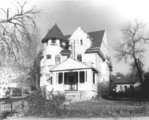
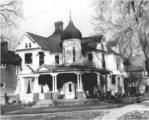
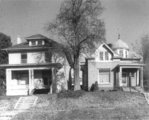
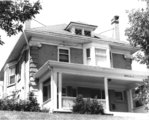
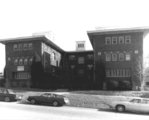
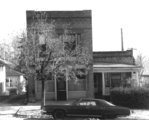
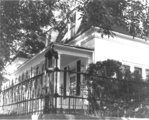
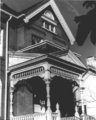
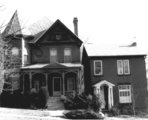
Show 486 3rd Ave- - 1891 Architect/Builder: Building Type/Style: Victorian eclectic Building Materials: brick Description of physical appearance & significant architectural features: (Include additions, alterations, ancillary structures, and landscaping if applicable) This is a two-story Victorian home with good cornice woodwork. The house has a main truncated hip roof and front and side gables. The gables have barge boards with lattice-work at the curved corners, dentil molding casement windows with a bracketted :corbiceand sunburnt panel above. The cornice has dentil molding, brackets, molding, and triangular shaped trim along the bottom. The corners of the projecting front bay are cut away and the gable supported by elaborate sunburst bracket-pendants, Windows have stone"sills and lintels and there is a stone foundation under the house. The two story front porch has wooden doric columns. The brick has been sandblasted recently. --Thomas W. Hanchett 6 Statement of Historical Significance: D D D D D Aboriginal Americans Agriculture Architecture The Arts Commerce D D D a a Communication Conservation Education Exploration/Settlement Industry D a D a D Military Mining Minority Groups Political Recreation D a D a Religion Science Socio-Humanitarian Transportation The Victorain Style, materials and massing of this home contribute to the architectural character of the Avenues. It was built by merchant William R. Everill (1848-1895) who buiot several' structures in this area. It may have replaced his older residence (133 G?>. Everill probably rented this home since his residence is listed at 478 E,rd. Upon his death, his widow Ellen acquired the home which continued to maintain -. - as rental property, while she lived next door (482 3rd Ave.). About 1909 Ellen moved to Bingham Canyon The property had previously^been transferred to her daughter Mabel E. Everill Bush, later Dunn. Mabel sold the property to James Crouch. In 1911 Crouchs' wife Horinda sold the property to P.M. Benedict. Noneof these people are listed as living in the house. It was maintained as rental property. In 1920 Benedict sold the home to Samuel P. and Henrietta Young Thurman. The Thurmans did live in part of the home, renting the other half out. Samuel D. Thurman (1887-1951) was the son of Judge Samuel R. and Isabel Karren Thurman. He was, like his father, a lawyer and a leader in the Utah Democratic Party. He was a member of the Law found Thurman, Skeen and Worsley, In 1912 he married Henrietta Young daughter of Gen. and Mrs. Richard W. Young (see 86 C). The Thurmans lived in this home until 1936. |