| OCR Text |
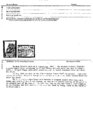
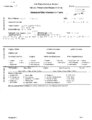
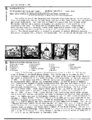
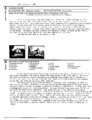
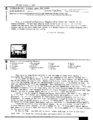
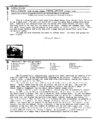
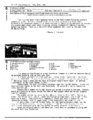
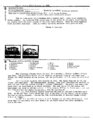
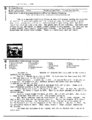
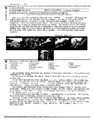
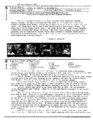
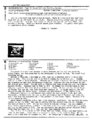
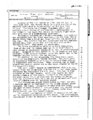
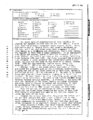
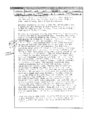
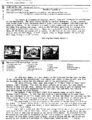
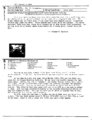
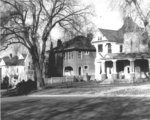
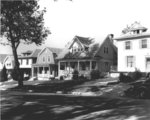
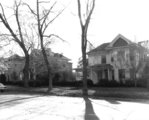
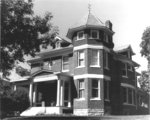
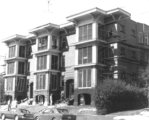
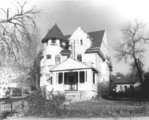
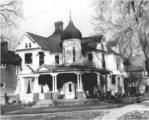
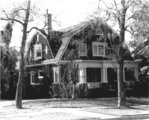
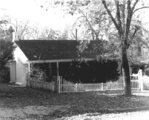
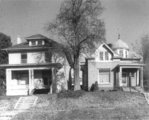
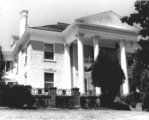
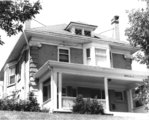
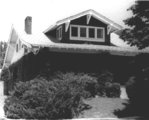
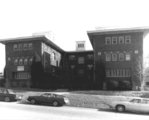
Show FHR-8-300A (11/78) UNITED STATES DEPARTMENT OF THE INTERIOR HERITAGE CONSERVATION AND RECREATION SERVICE NATIONAL REGISTER OF HISTORIC PLACES INVENTORY - NOMINATION FORM CONTINUATION SHEET ITEM NUMBER PAGE district, a number of larger apartments, mostly three or four stories, was built. These apartments, built with elements of various early 20th century styles (Mediterranean, Spanish Colonial Revival, Tudor, Art Moderne), comprise almost all of the buildings higher than 2 1/2 stories. They document the twentieth century trend in the Avenues toward rental properties, both the conversion of single family houses and the construction of new apartment buildings. ASPECTS OF THE DISTRICT'S CHARACTER: Architectural Styles Within the Avenues, there are a great number of architectural styles (see forms of Significant Sites). Often a wide range of styles may be found along one block. These diverse styles are, however, drawn into cohesive patterns because of a similarity of roof pitch, siting, and setback. Diversity is pattern book side by side mirror image not always the rule. Scattered throughout the district are many houses. In some instances, these pattern book houses were built by the same builder. This produces a number of duplicates or variations of the same house. Density There is a dense pattern of building in the district. Side yards are usually very small and in some cases almost non-existant. An almost townhouse-like feeling is created on many streets as a result of this dense building pattern and the maintenance of a uniform setback. The tradition of placing the narrow side of the building facing the street reinforces this prevailing pattern. Setback Although the construction date of Avenues buildings varies considerably, a fairly uniform setback line was established at an early date in the district. The infill process since that time has tended to hold to that setback line. This helps to establish a definite wall of continuity throughout the district. Walls of Continuity Definite walls of continuity are formed along many streets. A number of factors are responsible for creating this aspect of the district: similar |