| OCR Text |
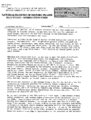
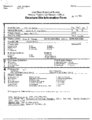
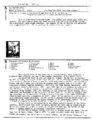
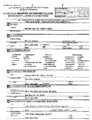
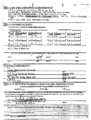
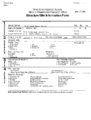
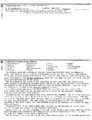
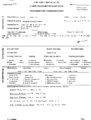
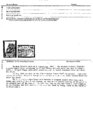
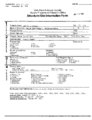
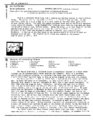
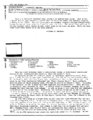
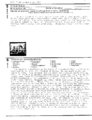
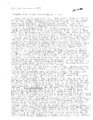
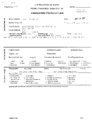
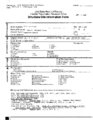
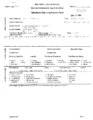
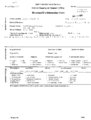
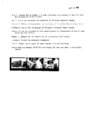
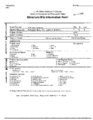
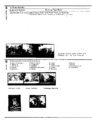
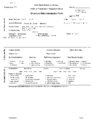
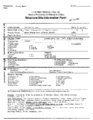
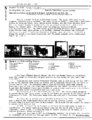
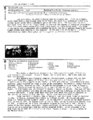
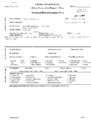
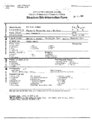
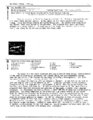
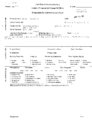
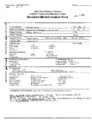
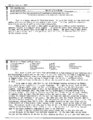
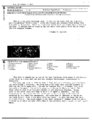
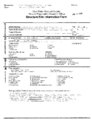
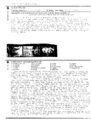
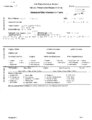
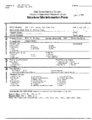
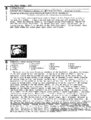
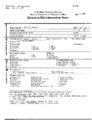
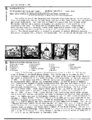
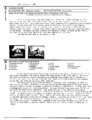
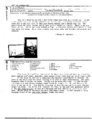
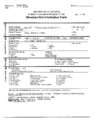
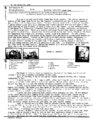
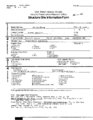
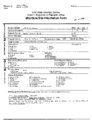
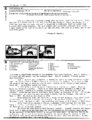
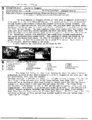
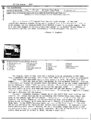
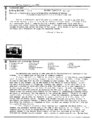
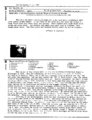
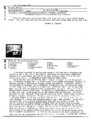
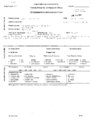
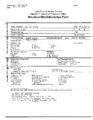
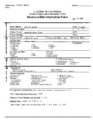
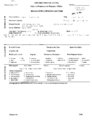
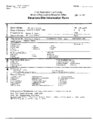
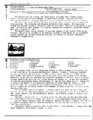
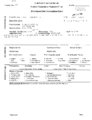
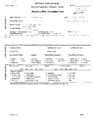
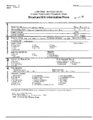
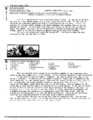
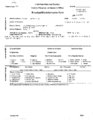
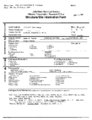
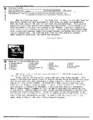
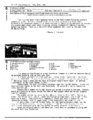
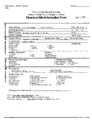
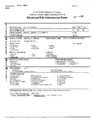
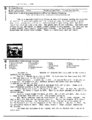
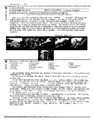
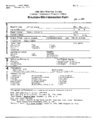
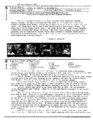
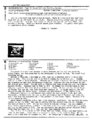
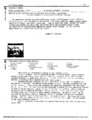
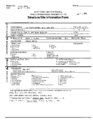
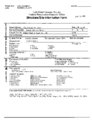
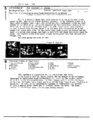
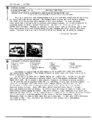
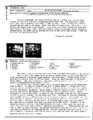
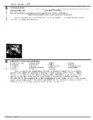
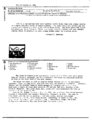
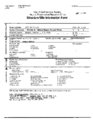
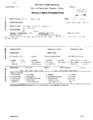
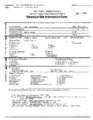
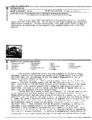
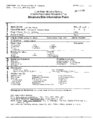
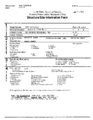
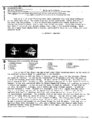
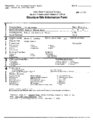
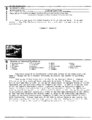
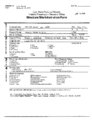
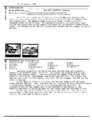
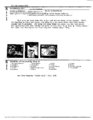
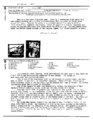
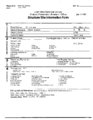
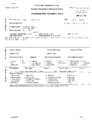
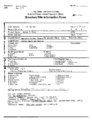
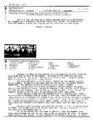
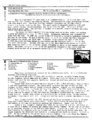
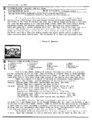
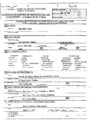
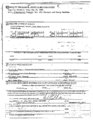
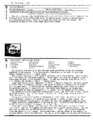
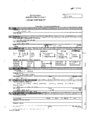
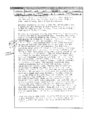
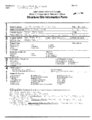
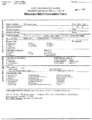
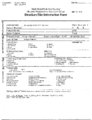
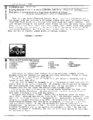
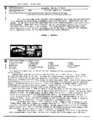
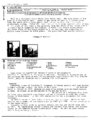
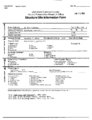
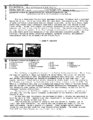
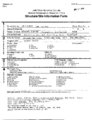
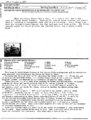
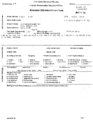
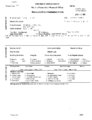
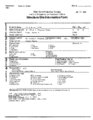
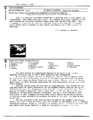
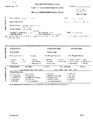
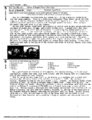
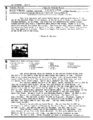
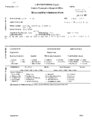
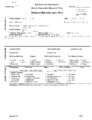
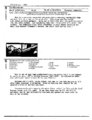
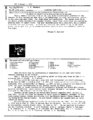
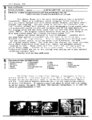
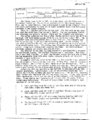
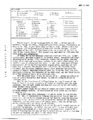
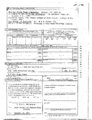
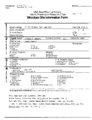
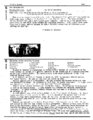
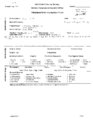
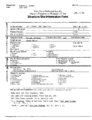
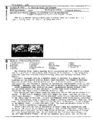
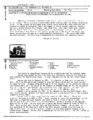
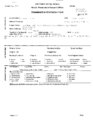
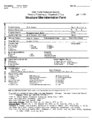
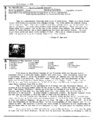
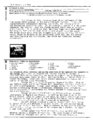
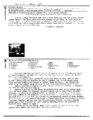
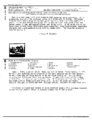
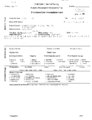
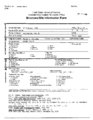
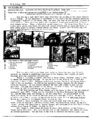
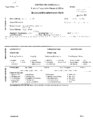
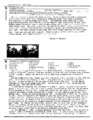
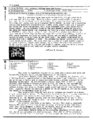
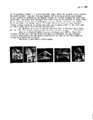
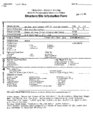
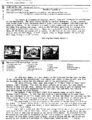
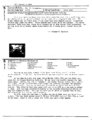
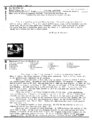
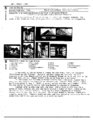
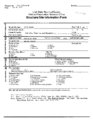
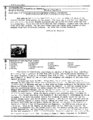
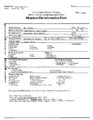
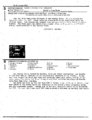
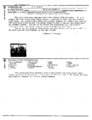
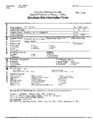
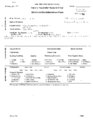
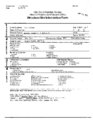
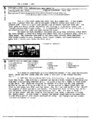
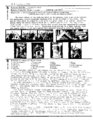
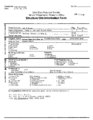
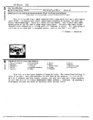
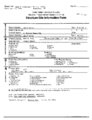
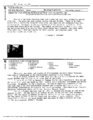
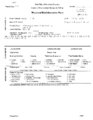
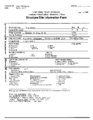
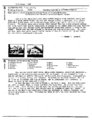
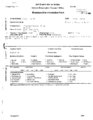
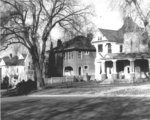
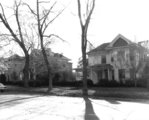
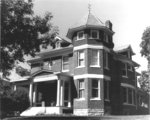
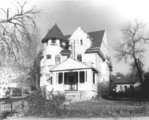
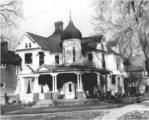
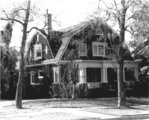
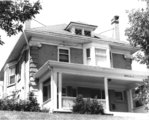
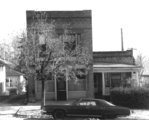
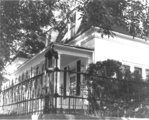
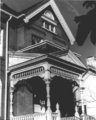
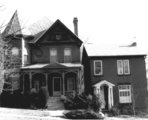
Show 319 4th Ave. - 1897 /J.O. Taft Architect/Builder: Building Type/Style: Victorian eclectic Building Materials: brick Description,of physical appearance & significant architectural features: (Include additions, alterations, ancillary structures, and landscaping if applicable) This is a two-story Victorian home. There is a pedimented front gable with wood shingle siding and a cornice with modillions that was under the broad eaves around the house. Beneath the gable is a recessed second floor window above a first story brick segmental bay window. Above the porch is a smaller segmental bay window of paneled wood whose roof rises above the cornice line. The pedimented front porch has paired turned columns of very unusual shape, with porch balusters to match. -Thomas W. Hanchett Statement of Historical Significance: D D a D o Aboriginal Americans Agriculture Architecture The Arts Commerce a D a D D Communication Conservation Education Exploration/Settlement Industry Q a a D D Military Mining Minority Groups Political Recreation a Religion a Science D Socio-Humanitarian D Transportation The Victorian Style, massing, brick construction and wood trim of this house are significant to the architectural character of the Avenues. Its design is more elaborate than surrounding homes. This is one of the many homes built in the Avenues by widowed women, and like many of these, it was built for investment purposes. Nancy Williams, the widow of Moses Williams, lived at 385 5th Avenue and maintained this home as rental. No further information about the Williams' is available. One of the renters in 1901, was Charlotte E. Hayden, the principal of Miss Hayden's Private School at second north and the west corner of A Street. Sometime before 1908 the porperty was acquired by H.B. and Marianne E. Asadoorian (not listed in the directories) since that year they sold the house to Mathias Connelly (1851-1915) who moved himself and his family into the house. Matthias had come to the U.S. from Ireland in 1866. He came to Utah to work in the mines. His obituary states that he worked in most of the mining camps in the West. The Connellys had come to SLC from Park City. Matthias later became a carpenter for the Magna Copper Mill. His widow Emma Hannon Connelly who had come to Utah from Maine, inherited the house after Matt's death. She continued to live in the home, working in the Catholic Women's League and for the Cathedral of the Madeline Parish. Her unmarried daughters Elizabeth and Lucille inherited the house after Emma's death. Lucille Connelly, later McGeehan, lived in the home until 1946, then sold it to Henry V. and Ethel Graham Seelen. |