| OCR Text |
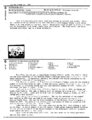
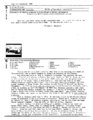
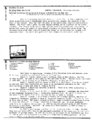
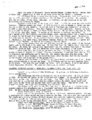
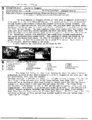
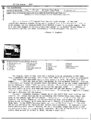
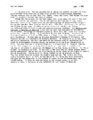
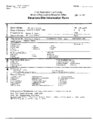
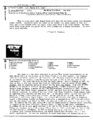
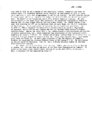
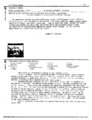
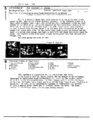
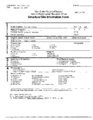
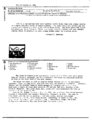
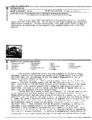
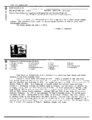
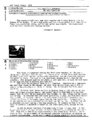
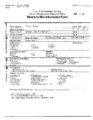
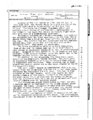
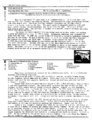
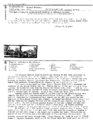
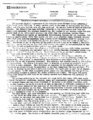
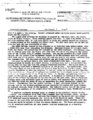
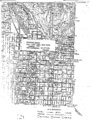
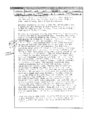
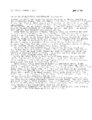
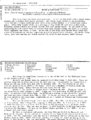
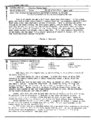
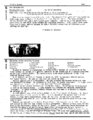
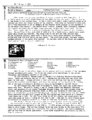
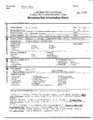
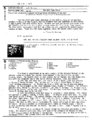
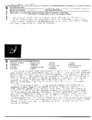
Show FHR-8-300A CH/78) UNITED STATES DEPARTMENT OF THE INTERIOR ; HERITAGE CONSERVATION AND RECREATION SERVICE NATIONAL REGISTER OF HISTORIC PLACES INVENTORY - NOMINATION FORM CONTI NUATION SHEET ITEM NUMBER 8 PAGE Lake City for having a small gridiron plan platted on rather steep slopes. This plan, which affords comfortable regularity with residential scale, was set by the initial survey work on Plat D done in the early 1850s. This survey employed 2-1/2 acre blocks and 82-1/2' wide streets and was the first platted area of the city to deviate from the original city plan of 10 acre blocks and 132' wide streets, based on the 'Plat of the City of Zion.'" 1 "The blocks contained within Plat D were surrounded by a wall of mud and vegetation which Brigham Young had built around three sides of the city. The wall, which was built in 1853 and 1854, was 8.5 miles long and has been called the longest and most ambitious undertaking of any of America's walled cities." In the Avenues area the wall ran along Fourth Avenue, then south on "N" Street. By 1860 it was reported that the wall was crumbling away, having not been maintained. Avenues street names also deviated from the numbered streets in Salt Lake City. Initially, the names were as follows: Fruit St (First Avenue); Garden Street (Second Avenue); Bluff Street (Third Avenue); and Wall Street (Fourth Avenue). The north-south streets were named Walnut (A Street), Chestnut (B), Pine (C), Spruce (D), Fir (E), Oak (F), Elm (G), Maple (H), Locust (I), Ash (j), Beech (K), Cherry (L), Cedar (M), and Birch (N, the eastern boundary of the City Wall). However, by 1885 the "Avenues" were referred to as First, Second, Third and Fourth Streets, and the north-south streets were lettered, from A Street to V (later Virginia) Street. This is the only use of lettered streets in Utah. In 1907, perhaps to avoid confusion with the street names below South Temple (First South, Second South, etc.), the City Commission voted to change the numbered streets to avenues. "The Avenues district was once called the'dry bench 1 due to the lack of water. Because of this paucity, the district developed fairly slowly." Both residential and commercial development in the area followed the availability of water. "Until the 1880s, when a pipeline was run along Summit Street (Sixth Avenue) from Sudbury Mill on City Creek, settlement was primarily limited to the areas below Wall Street (Fourth Avenue). Individual buildings were constructed during this period in the areas above Wall Street but water sources were limited to wells or hauling by pack animals or residents." In 1860 the Salt Lake City slaughter yards were moved to the area east and south of the City Cemetery (including the southeast corner of the district)to utilize the water from Dry Canyon and Red Butte Canyon, east of the Avenues. This area became known as "Butcherville" since workers from the slaughter yards settled there to be near their jobs. During the 1880s this section was also used for brickmaking, again, because of the availability of water from Dry Canyon (the same water supply used for the operation of the City Cemetery) |