| OCR Text |
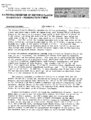
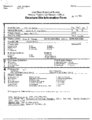
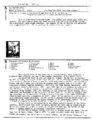
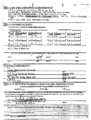
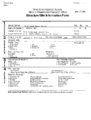
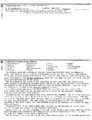
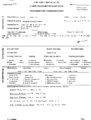
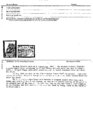
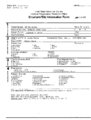
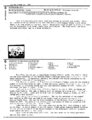
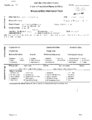
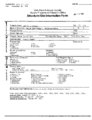
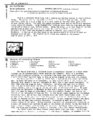
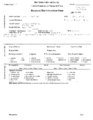
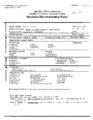
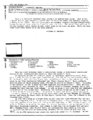
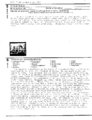
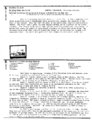
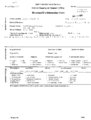
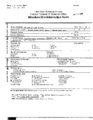
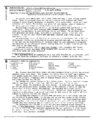
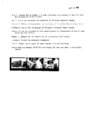
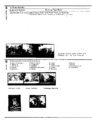
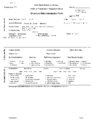
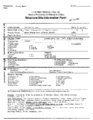
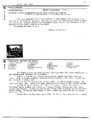
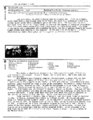
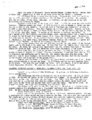
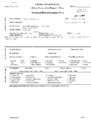
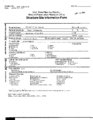
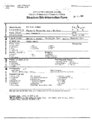
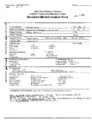
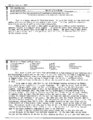
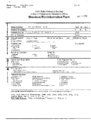
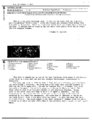
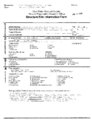
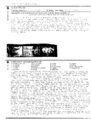
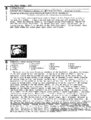
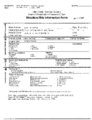
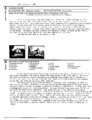
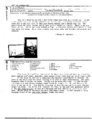
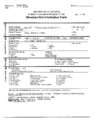
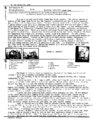
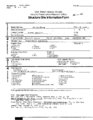
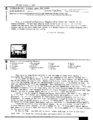
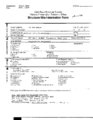
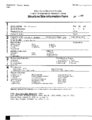
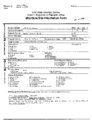
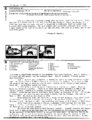
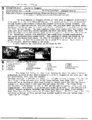
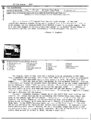
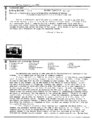
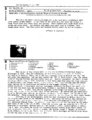
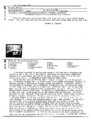
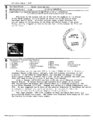
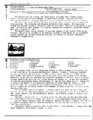
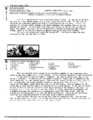
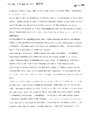
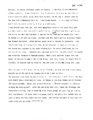
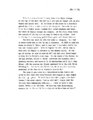
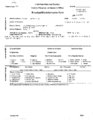
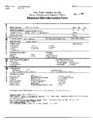
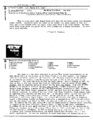
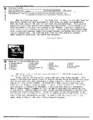
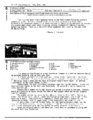
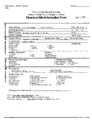
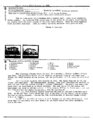
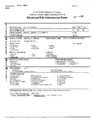
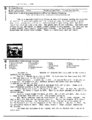
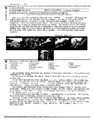
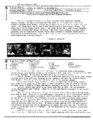
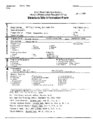
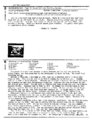
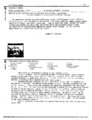
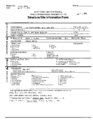
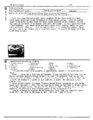
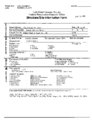
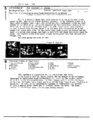
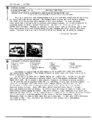
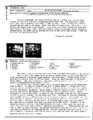
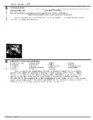
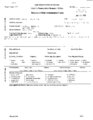
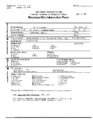
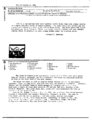
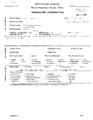
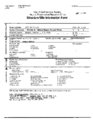
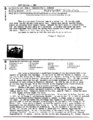
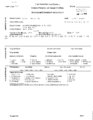
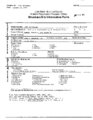
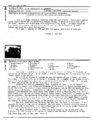
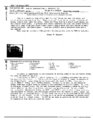
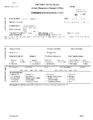
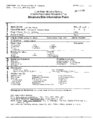
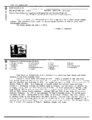
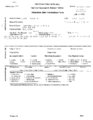
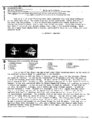
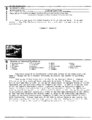
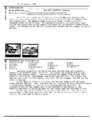
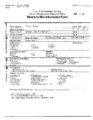
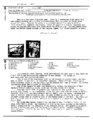
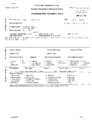
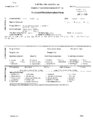
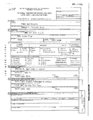
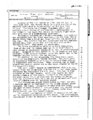
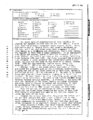
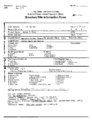
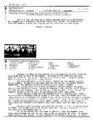
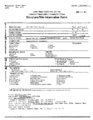
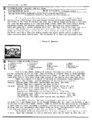
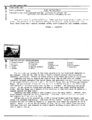
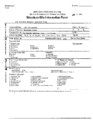
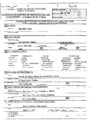
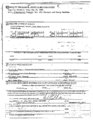
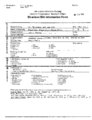
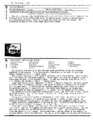
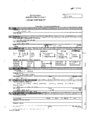
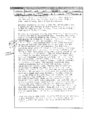
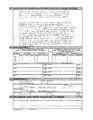
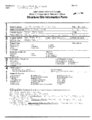
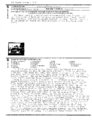
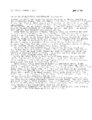
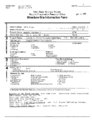
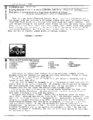
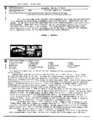
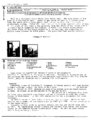
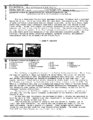
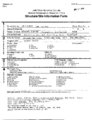
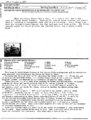
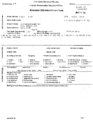
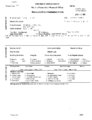
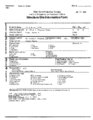
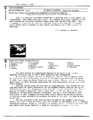
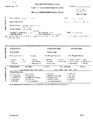
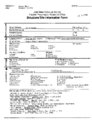
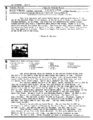
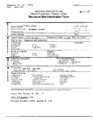
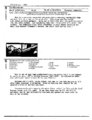
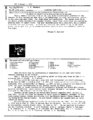
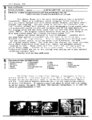
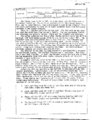
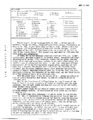
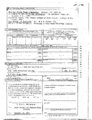
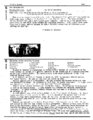
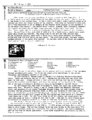
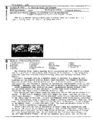
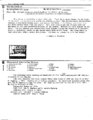
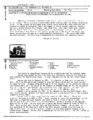
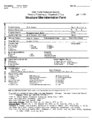
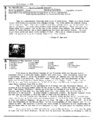
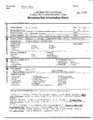
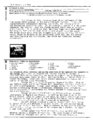
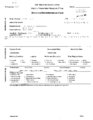
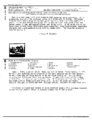
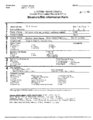
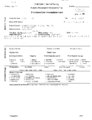
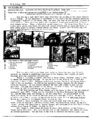
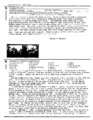
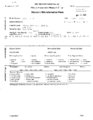
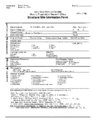
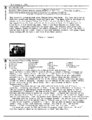
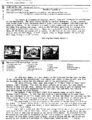
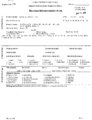
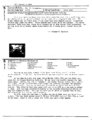
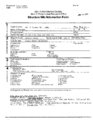
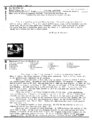
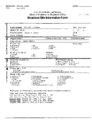
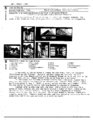
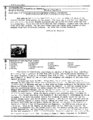
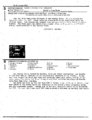
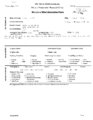
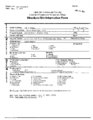
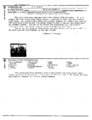
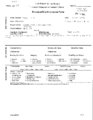
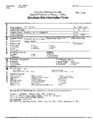
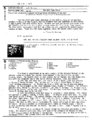
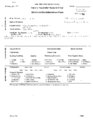
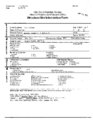
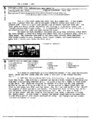
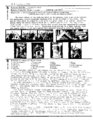
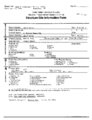
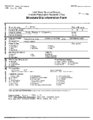
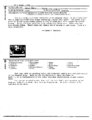
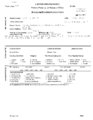
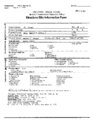
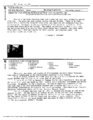
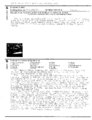
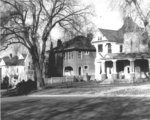
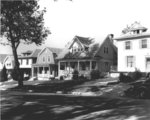
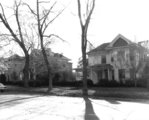
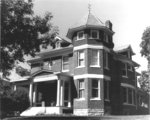
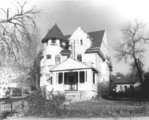
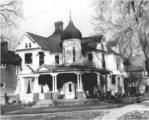
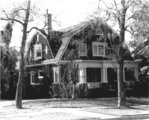
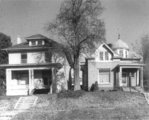
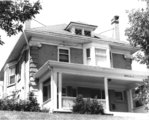
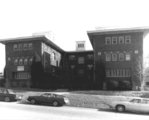
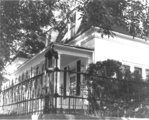
Show 86 H Street-1911 Architect/Builder: Cannon & Fetzer/ F.W. Carpenter Buhiding Materials: brick______ Building Type/Style: Pra-r-H P Si-vl Description of physical ; appearance&significant architectural features: (Include additions, alterations,-ancillary structures, andlandscaping if applicable) ; This two story home shows influence of the Prairie Style. It is a rectangular structure with a hip roof. Upper;walls are stuccoed while the first story walls are of brown brick. Most windows are casement type and have Prairie Style leaded art-glass borders. The front porch has paired brick columns, brick railing walls, and "hidden" stairs, characteristics of the Prairie Style. x . --Thomas W. Hanchett Statement of Historical Significance: Q Q d a Q Aboriginal Americans Agriculture Architecture The Arts Commerce Q D D a Q Communication Conservation Education Exploration/Settlement Industry a D D D D Military Mining Minority Groups Political Recreation D D a D Religion : Science Socio-Humanitarjan Transportation The Prairie,Style, horizontal massing, brick and stucco construction, and details of this home make it important to the architectural character of the Avenues. It may have been designed by noted Salt Lake City architect Lewis Tele Cannon, brother of the owner, whose firm Cannon and Fetzer designed many Utah landmarks including th^ Prairie Style West High School building. : The house was built in 1911 for Radcliffe Q. Cannon, a son of George A. Cannon, long time leader in the Mormon Church and counsellor in the Church's First Presidency during the late nineteenth century. During most of his life, Radcliffe Cannon was an accountant for ZCMI. He owned the house until 1937 when he moved to Holladay in the Salt Lake valley, |