| OCR Text |
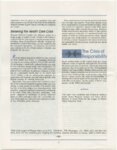
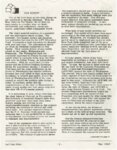
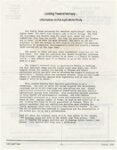
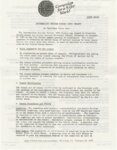
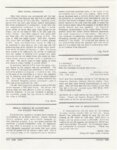
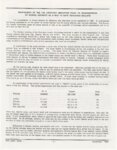
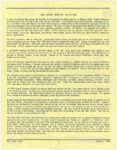
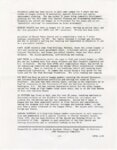
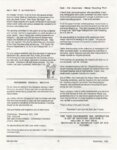
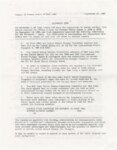
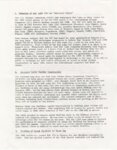
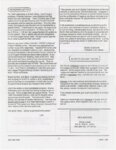
Show THE SITUATION IN UTAH According to a report by the Utah Child Support Task Force, the median income in Utah for the average female family head is $7,500 per year, in contrast to the median income of the average Utah male family head which is $17,500 per year. Additionally, in 1981, less than 20 percent of the 30,000 single parents in our state received regular child support payments. According to Sheila Wolf, an investigator with the Utah Office of Recovery Services (ORS), the agency is currently handling some 50,000 cases involving delinquent child support payments. The estimated case load in 1994 will be 300,000 due to the high rate of divorce in Utah, the state's growing population, and the effects of Utah's compliance with the 1988 Family Support Act. A Utah Issues report indicates that ORS has a fairly good record in terms of collections. The House Committee on Ways and Means "graded" state child support enforcement agencies in 1988 and Utah received 8 grade. Nonetheless, ORS reported that in 1987, •it was only able to make any collections on 18% of its AFDC cases and 33% of its non-AFDC cases. (ORS does not separate out the numbers of cases where payments were for the full monthly amount ordered.) The agency collected a total of $12 million on AFDC cases and $13 million on non-AFDC cases. Clearly, millions of dollars in outstanding payments have not been collected . 11 11 Uniform Child Support Guidelines for Utah In 1988, a task force created under the direction of the Judicial Council and chaired by Judge Judith Billings, held public hearings and developed a set of uniform guidelines for child support. Partly because of opposition from noncustodial parents, the Legislature's Interim Judiciary Committee rejected the guidelines and directed that new guidelines be drafted. These guidelines, developed primarily by the staff of the Office of Recovery Services, were built into a lengthy bill which passed without committee hearing in either the House or the Senate in February 1989. The "Legislature's Guidelines" provide substantially lower levels of child support than the guidelines developed by the Judicial Council. Guidelines Advisory Committee The state statute establishing the above guidelines provides for an 11member advisory committee appointed by the governor to "review the child support guidelines to ensure their application results in the determination of appropriate child support award amounts" and to "report to the Legislative Judiciary Interim Committee" periodically. The statute calls for judicial, attorney, and Office of ' Recovery Services representation and "an uneven number of additional persons . . . who represent diverse interests related to child support issues." This committee was appointed by the governor in July 1989, began meeting in August, and made its first report to the Judiciary Committee in September. Roz McGee, a child advocate who serves on the committee, views the committee as a -5- |