| OCR Text |
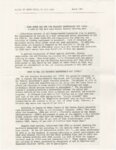
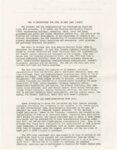
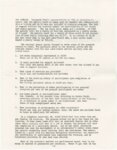
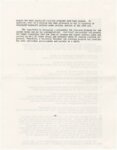
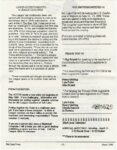
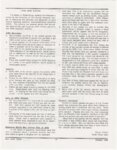
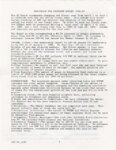
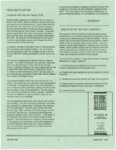
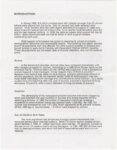
Show THE COMMON GOOD Social Welfare and the American Future The Common Good reports the findings and recommendations of the Executive Panel of the Ford Foundation Project on Social Welfare and the American Future. It is based on a comprehensive review of Americans• social welfare needs and of policy alternatives for the 1990s and into the next century. A basic theme guiding much of the panel's work was the recognition that all Americans at one time or another in their lifetimes have to rely upon our system of social welfare protections. The panel emphasized a life-cycle approach, acknowledging the interdependence of all age groups and the fact that needs change during the course of a lifetime. The panel found that though the social welfare system was essentially well conceived, many aspects are now outdated or insufficient to meet the challenges and needs of millions of Americans. The panel therefore offers a comprehensive set of specific recommendations that together would constitute a thorough overhaul of social policy in America. Recognizing that the government cannot change the system alone, the panel repeatedly emphasizes the need for a mixture of public and private sector involvement as well as individual responsibility. With regard to infancy and childhood, the panel suggests reforms in prenatal care, preventive health care and nutrition, early childhood development, and family-support services. The report indicates that nowhere is the social deficit taking its toll more painfully than in the lives of American's children; approximately one in five children in the U.S. lives in poverty. The panel spent considerable time examining the growing problems of disadvantaged teens making the transition from school to work. The U.S. has one of the highest teenage pregnancy rates in the developed world, and an increasing proportion of teenage mothers are becoming long-term welfare recipients. Moreover, one in four teenagers leaves high school before receiving a diploma. Most of the recommended initiatives for teenagers do not rely heavily on the Federal government, but the panel does recommend that spending for youth programs be sustained. Local communities are urged to take prime responsibility for designing and coordinating programs to prepare young people for the job market. Salt Lake Voter Addressing the working years, the panel believes that the country needs a better system to provide working age adults with more opportunities to earn a decent living. Suggestions from the panel include restoring the purchasing power of the Federal minimum wage to its 1981 level; expanding the earned income tax credit; and blending private sector initiatives and public sector reform to achieve the national goal of universal health coverage for all Americans. With regard to old age, the panel recommends a number of measures to improve basic income support for the impoverished elderly. Among the panel's recommendations are: public subsidies to encourage the spread of private long term care insurance; and government support of a partial, phased in long term care insurance program that would be made available to families with unusually high expenses for chronic illness and disability. The panel recognizes that both the public and private sectors will have to devote new resources to achieve the objectives it proposes. And they believe it is reasonable and fair to ask those who are financially able to help share the cost of social reform. The panel therefore proposes that the American people establish a special new trust fund earmarked for making the social investments recommended in the report. As a preferred means of paying for the Federal government's cost of fulfilling the recommendations, estimated to be approximately $29 billion a year, the panel further proposes that Social Security benefits be given the same Federal tax treatment as private pensions. This would mean taxing Social Security benefits that exceed recipients' lifetime contributions. For a limited period of time, the revenues collected from this additional taxation would flow into the new trust fund earmarked for the social welfare needs of the entire nation. The report argues that it is likely by the end of a five year phase in period, the annual revenue gain from the proposal would be enough to meet a significant part of the cost of the panel's recommendations. Copies of The Common Good are available without charge from: Ford Foundation, Office of Communications, 320 East 43 Street, New York, NY 10017. Sheryl Gillilan Social Policy Chair -1 - November 1989 |