| OCR Text |
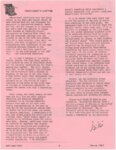
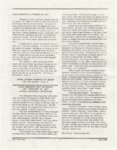
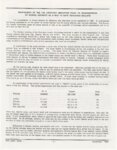
Show costs lowered to the lowest level, 322 teachers would be laid off and $26.4 million savings (1 O. 7%} would result. At the other extreme where the lowest class size level prevailed, salaries and benefits raised and non-personnel costs increased, the instructional costs would increase by $46.2 million or 18.8%. If a middle ground scenario is presented with no new teachers being hired, no cuts in teacher salaries or benefits and pooling approach to non-personnel costs, the expenditure per pupil would raise in Jordan and Granite and fall in Salt Lake City and Murray, with the result of a raise in cost of instructional services of $8. 7 million. Substantial differences in the costs per student of district administration, business and instruction differences vary from a high of $323.03 in Salt Lake to $116.51 in Granite. The most likely scenario would result in savings of $514,000 per year or about 2%. The study concluded that the complete consolidation of the four Salt Lake districts would likely result in an annual shortfall of $17.6 million per year. Differences in tax structures and assessed valuation levels would mean that consolidation would result in revenue reductions of over $19.6 million. Reconciling differences in increased costs under consolidation of nearly would reach $8 million per year. The report looked at other than fiscal issues and noted that each district's budget reflected citizen priorities. For instance, the high administrative and instructional support costs of Salt Lake reflect the school population which has a higher percentage of low income and ethnic minorities than the other districts. If consolidation would cut their instructional support services, many of the special programs for minorities may be eliminated. Also, the loss of local autonomy and representation of the different localities in the county would result from consolidation, with a negative educational impact. The report also noted the existing cooperation among the districts, noting the housing of more than 800 elementary students and 1600 secondary students from Jordan in the Granite district, saving Jordan the building costs of one elementary school ($3.5 million) and one junior high school ($9.5 million) and the cooperation with Salt Lake Community College of vocational programs. It also mentioned that the districts are exploring cooperation on a bus routing program. --Gigi Brandt STATE OFFICE OF EDUCATION RELEASES MASTER PLAN FOR STUDENTS AT RISK Noting that at least 25 percent of the students in Utah Schools are substantially below national norms in both reading and mathematics, that in 1987 an estimated 11 percent of the 12-17 year olds had severe or extreme substance abuse problems, and that Utah's teen pregnancy, youth suicide and physical and sexual abuse of children were substantial problems, the State Office of Education has released its master plan for students at risk so that fewer students drop out and more students become literate. The report defined dropout as a pupil who leaves public school for any reason before graduation or completion of a program of studies and without transferring to another public or private educational program. Literacy is defined as the mastery of skills needed to read, write and compute and the effective application of these skills in life situations. The Report defines a Student at Risk as one who, because of his/her individual needs, requires some kind of uniquely designed intervention in order to achieve literacy, graduate and be prepared for transition from school to post-school options. After identification of some of the family, socio-economic and personal conditions contributing to students at risk, the report sets out some educational outcomes for these students. The report advocates the development of a system of comprehensive services which involves families, service agencies and the business community for these students and examines the current status of services available presently and presents strategies to implement a comprehensive system including services, coordination, role definition, staffing, funding and evaluation. It concludes by observing that implementation of the Master Plan is a state-wide responsibility which includes the active involvement of students and their families, public agencies and the business community. The expectation is that the plan will be presented to the Utah State Board of Education annually for analysis and revision. --Gigi Brandt Salt Lake Voter -4- November 1988 |