| OCR Text |
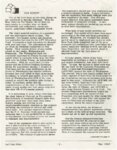
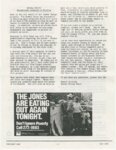
Show "Middle class suburban housewives (who have undergone divorce) are now becoming the norm in terms of welfare," noted Pat Kelly Thibo of Flint, Michigan. Mrs. Thibo speaks from experience. The mother of three children, she was divorced in 1980 from a husband she says was earning around $45,000 a year as an employee of General Motors. "When he left I found myself in poverty wiJhin a very short period of time," she said. Support payments were nonexistent or "real irregular" even though judges granted her ex-husband five reductions in the amount of support due. After her divorce, Mrs. Thibo was forced to move from a suburban home into a subsidized housing project in the inner city of Flint. Before long, simple economics dictated she apply for welfare if she wished to keep her children fed and clothed. Mrs. Thibo says her near-poverty is particuiarly infuriating because her ex-husband, who has remarried, is living much as before. "There comes a point when something so simple -pencils for school -- can be a problem," she said. "In the meantime, my ex-husband and his new wife eat out, see all the movies. She takes singing, dancing and acting lessons. It just doesn't seem fair." (Reported in Nonsupport Spells Misery for Millions of Americans, Utah. Child Support Task Force.)' |