| OCR Text |
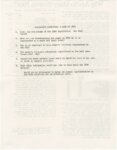
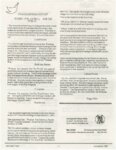
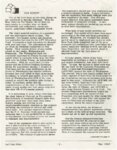
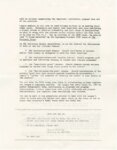
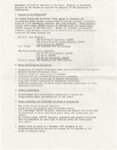
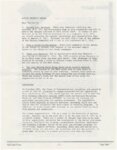
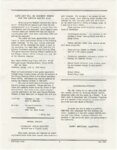
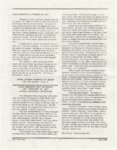
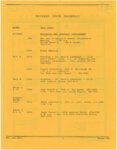
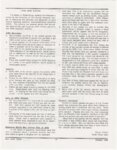
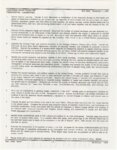
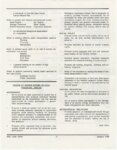
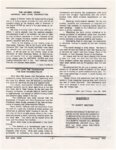
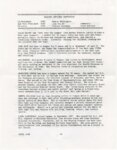
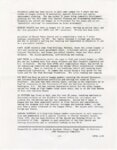
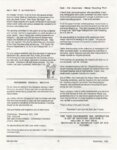
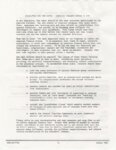
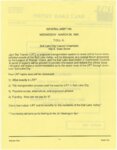
Show • When was the seismogra ph invented? The late 1800' s. • When were seismographs first installed in Utah? In 1907, by James Talmage. • When did we learn that large earthquak es have occurred in the Salt _L ake Valley?" In 1883, geologist G .K. Gilbcn issued a scientific warning of the serious threat posed by the Wasatch Front. The following excerpt is from an article in the Salt Lake Tribune in 1883. "It is useless to ask when this disaster will occur. Our occupation of the country has been too brief for us to learn how fast the Wasatch grows; and, indeed, it is only by such disasters that we can learn. By the time experience has taught us this, Salt Lake City will have been shaken downo What are the citizens going to do about it? Probably nothing." Modernized network was installed starting in 1974. Computerized recording of earthquake data began in 1981. • What is liqus"action? Water-saturated sands, silts, and other very loosely compacted soils when subjected to earthquake motion may be rearranged, thereby loosing their supporting power. When this occurs, buildings may sink into the ground and sand and sites may come to the surface to form sand blows. In effect, the soils behave as dense fluids when liquified. • Is the Wasatch fault the same type as the San Andreas fault in California?" No. The San Andreas fault moves horizontally with no vertical motion. This is called a strike-slip fault. The Wasatch fault moves in a primarily vertical direction, with the mountains rising, relative to the valley floor. • How long do earthquak es last? Generally, only seconds. Larger earthquakes may be felt for up to several minutes. |