| OCR Text |
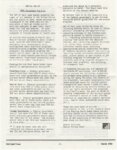
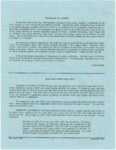
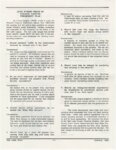
Show manufacturers. In fact, after a final decision by EPA to cancel a pesticide registration. the chemical in question could remain on the market for up to two years -- unless EPA determines that • the pesticide poses an imminent hazard and orders an immediate suspension of sales. Until 1989, if EPA took such an action it was responsible for indemnifying the manufacturer for financial losses, that is for purchasing the pesticide in inventory and paying for disposal. Under the 1988 revisions of FIFRA, manufacturers must now share the expenses associated with cancellation of a registration. The determination of such great risk has very seldom been made. Impetus for Change Historically, environmentalists and consumers concerned about pesticide residues have turned to the federal gov~rnment to enact legislation. But the slow pace of such measures is leading activists to look to state and local governments and to the marketplace for change. Several states have implemented stronger regulatory programs than the federal government and have also banned particular pesticides. There has been some discussion in Congress of preempting states' rights to enact stricter regulations than EPA but this has not been passed to date. Many states also are creating programs to support alternative agricultural practices that rely on fewer chemical inputs. Increased demand for food grown with fewer or no pesticides is spurring adoption of alternative practices and market responses, such as private residue testigand programs to certify, and label, .that food is organically grown. Nonregulatory solutions to the problems posed by reliance on chemical control of agricultural pests are being pursued at all levels -- local, state. federal -- and will undoubtedly increase in importance. <~ L i' Groundwater Regulation Sixteen different laws and 14 federal agencies are involved in groundwater protection. The 1986 Safe Drinking Water Act Amendments authorized two programs to help states protect groundwater used as drinking water: the Sole Source Aquifer Program and the Well Head Protection Program. However, no funds have been appropriated for either program. While the federal government offers some support for state monitoring and protection programs, groundwater protection is generally handled at the state level. The federal agencies most involved with groundwater protection are EPA, USDA and the United States Salt Lake Voter Geological Survey (USGS). Increased attention is being paid to groundwater protection now that it is recognized as a serious concern, and the result will probably be more legislation at both the state and federal levels. However, since local geologic conditions are such an important factor, nonregulatory and sitespecific policies may be more likely than a federal regulatory framework. (See Safety On Tap: A Citizen's Drinking Water Handbook, LWVEF 1987, Pub. #840, $7.95 and Crosscurrents: Tbe Water We Drink, LWVEF 1989, Pub. #880, $4.95 .) -13 - March 1990 |