| OCR Text |
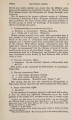
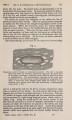
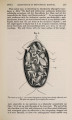
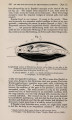
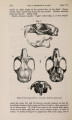
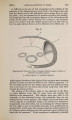
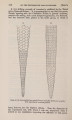
Show 1888.] COLEOPTERA OF CHRISTMAS ISLAND. 539 SESSINIA, sp. CERESIUM NIGRUM, n. sp. MONOHAMMUS NATIVITATIS, II. Sp. PRAONETHA PERPLEXA, n. sp. MlCRACANTHA, Sp. EPILACHNA, sp. A small Curculiouid, and three small Elateridae, belonging to three distinct species. PAR./EGUS, n. g. Allied to yEgus, from which it differs by the form of the mandibles. These, in the male, are sharply bent inwards and are at the same time directed forwards and upwards, so that their apices, when they meet in the middle line, are on a level with the vertex of the head. In the fully developed male each mandible is armed with a tubercular tooth on its upper (or, in this case, posterior) internal border at a short distance from the apex. The form of its mandibles brings this genus into relation with the Australian genus Lissotes ; its remaining characters are those of AEgus. PAR-EGUS LISTERI, n. sp. 8 . Piceo-brunneus, nitidus, mandibulis prope apicem unidentatis; capite supra in medio minute et sparse punctulato, ad latera pone oculos grosse punctato ; prothorace supra sparse punctulato, lateribus parallelis; elytris \2-striatis cum intervallis punctulatis. Long, corporis 17 millim. ; long, mandibuii 4 millim. The mandibles are provided eacb with a process on its inner lower side at the base; these processes meet in the middle line when the mandibles are closed, and their posterior border is then concealed beneath the clypeus. The tubercular tooth which each mandible bears near its apex is distinct only in the fully developed males. The head above is minutely and sparsely punctured in the middle, more grossly at the sides, especially behind the eyes. The latter are completely divided by the ocular canthus. The prothorax is sparsely punctured above. The elytra have each six strise, the outermost of which are feebly marked and consist of rows of closely approximated punctures ; the intervals between the strise as well as the sides of the elytra are punctured. The anterior tibiae are armed along their outer border with four or five spines ; the intermediate and posterior tibiae have each a single spine below the middle. Six male specimens. The measurements given above are those of the largest. In the collection of H.M.S. < Flying-Fish,' from Christmas Island, which was presented to the British Museum, there occurs a single female, which was placed in the genus Mgus; it is probably the female of the present species. The mandibles have each a single |