| OCR Text |
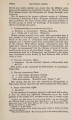
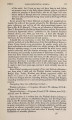
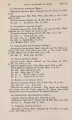
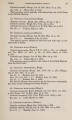
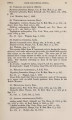
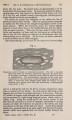
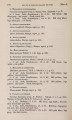
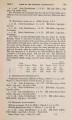
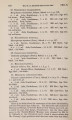
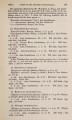
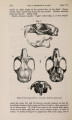
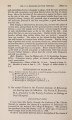
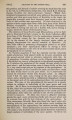
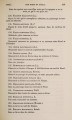
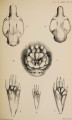
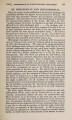
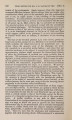
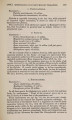
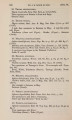
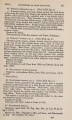
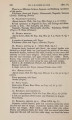
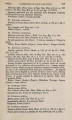
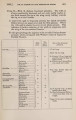
Show 16 ON MAMMALS FROM EQ.UATORIAL AFRICA. [Jan. 17, The peculiar pale colour of this Coney is evidently neither due to its youth, for young specimens of the other species are, if anything, darker and not lighter than the adults, nor to albinism, as is shown by the brown bases to the hairs; and I am therefore compelled to look upon it as representing a new species, distinguished from all other members of the group by the colour and fluffiness of its fur. I have very great pleasure in connecting with this interesting animal the name of its discoverer, to whom science is indebted for so large a contribution to our knowledge of the fauna of Central Africa. 39. MANIS TRICUSPIS, Raf. a. Kudurma, Makraka, 1/84. b. Kabajendi, Makraka, 8/84. c. Monbuttu, 5/84. " Monbuttu, ' Nakito.' Sandeh, 'Kiro.' " - E . These specimens all agree in having 21 longitudinal series of body-scales. Specimen c, the only one with a perfect tail, has 37 marginal, 33 central single, and 6 pairs of terminal caudal scales. In considering the geographical relations shown by the present collection, it will be advisable at first only to take into consideration the species obtained in Monbuttu. These (excluding two unnamed) are the following :- Anthropopithecus troglodytes. Galago demidoffi. Felis servalina. „ caligata. Poiana richardsoni. 1. 2. 3. 4. 5. 6. Crossarchus zebra. 7. ,, obscurus. 8. Epomophorus monstrosus. 9. ,, franqueti. 10. Anomalurus pusillus. 11. Sciurus stangeri. 12. ,, rufobrachiatus. 13. ,, pyrrhopus. 14. „ boehmi. * * t # A * * * i 15. Xerus erythropus. t 16. Cricetomys gambianus. t 17. Malacomys longipes. * 18. Mus (Isomys) barbarus. t 19. „ gueinzii. N 20. „ kaiseri. J 21. „ rufinus. # 22. „ univittatus. * 23. „ (Leggada) minutoides. t 24. Lophuromys sikapusi. * 25. Georychus ochraceo-cinereus. J 26. Atherura africana. * 27. Dendrohyrax emini. J 28. Manis tricuspis. * Of these 28 species, no less than 16 (marked with a *) are wholly West-African, 14 of them having never been hitherto recorded out of the West-African region at all, and therefore Dr. Emin has extended the known ranges of every one of these 14 by something like a thousand or twelve hundred miles. Of the others, 5 (marked with a t), although found in other regions, also occur in West Africa; 5 (j) are either peculiar or only otherwise known from neighbouring Central-African localities ; one only is Abyssinian (A) ; and one is as yet elsewhere only known from Natal (N). The collection as a whole is therefore distinctly West-African in character, and presents no appreciable intermixture of other forms. |