| OCR Text |
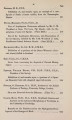
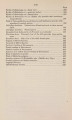
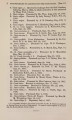
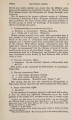
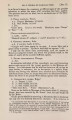
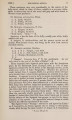
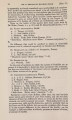
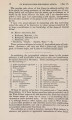
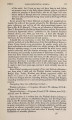
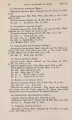
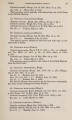
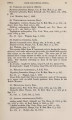
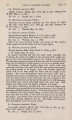
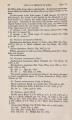
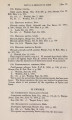
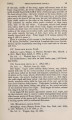
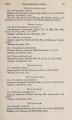
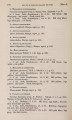
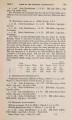
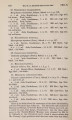
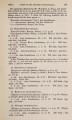
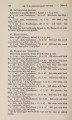
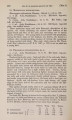
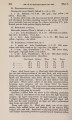
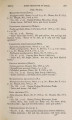
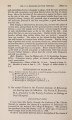
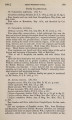
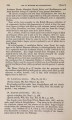
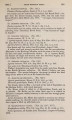
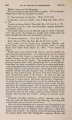
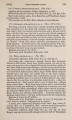
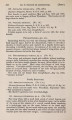
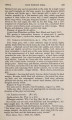
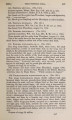
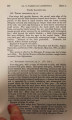
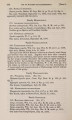
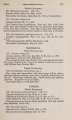
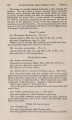
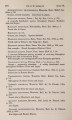
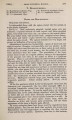
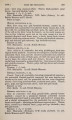
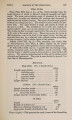
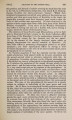
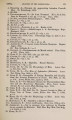
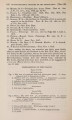
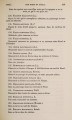
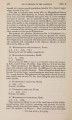
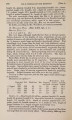
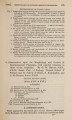
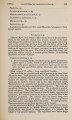
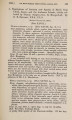
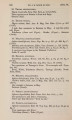
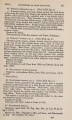
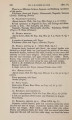
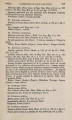
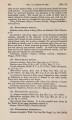
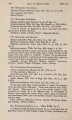
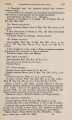
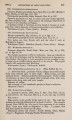
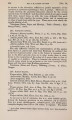
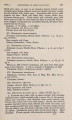
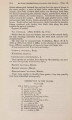
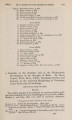
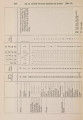
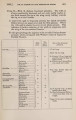
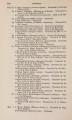
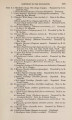
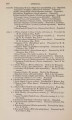
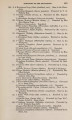
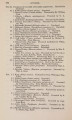
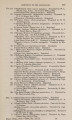
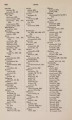
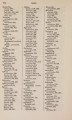
Show 1888.] OF THE SOLOMON ISLANDS. 483 intermediate in colour between the grey and brown varieties. The grey is far the commoner of the two." Cuscuses seem to be common on all the islands of both the Duke of York and Solomon groups, and extend in the latter to San Christoval, whence several specimens were sent to the British Museum by Dr. F. M . Rayner, and Mr. W . Macgillivray, of H.M.S. ' Herald,' who visited that island in December 1854. The following table gives a complete list with localities so far as is known of all the land mammals of the Solomon Islands, and maybe usefully compared with that given previously (P. Z. S. 1887, p. 327) in connection with the further range of these mammals into the Duke of York group of islands. The names of those peculiar to the group are printed in heavy type. CHIROPTERA. MEGAClintOPTERA. 1. Pteropus grandis 2. hypomelanus 3. rayneri 4. woodfordi 5. Pteralopex atrata 6. Cynonycteris brachyotis 7. Harpyia major ..-, 8. Cephalotes peronii 9. Macroglossus australis 10. Nesonycteris woodfordi c^3 ftS c " ftft- £ 2 a -a to a." MlCROCUIROrTERA. Anthops ornatus Hipposiderus tricuspidatus diadema '.. cervinus 11. 12. 13. 14. 15. Vesperugo abramus 16. Miniopterus scbrebersi 17. Emballonura nigrescens .. 18. 19. 20. 21. RODENTIA. Mus imperator rex salamonis.. prastor MARSUPIALIA. 22. Phalanger orientalis breviceps 60 o <D ID OS P o 3 O * * # # a o O a. Eemarks, or other localities. [Celebes. Duke of York and -'g1- Ugi. Florida Island. Also Duke of York. Duke of York group, |