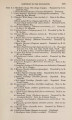
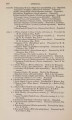
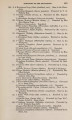
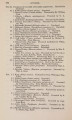
| OCR Text |
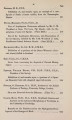
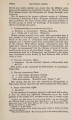
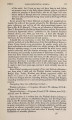
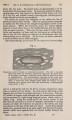
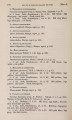
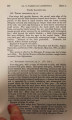
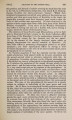
Show 1888.] HISTORY O F CHRISTMAS ISLAND. 517 CROCIDURA FULIGINOSA, var. TRICHURA, Dobs.1 This small Shrew-Mouse was very abundant in the woods, and their short shrill squeak was often heard all round a3 one stood quiet among the trees. I caught two in a pitfall at the top of the island, and another near the shore in a trap. Mus MACLEARI, Thomas. This Rat abounds all over the island. From dusk till daylight they swarmed about the tents on shore, and Captain Aldrich, who, with his party, spent a night on the high part of the island, found them equally abundant there. They generally keep to the ground, but are able to climb trees. In the mouth of one of those that I shot I found a small green fruit held between the teeth. Mus NATIVITATIS, Thomas. This second kind of Rat was rather less abundant, and I only obtained two specimens. These were shot on the shore among the others, which they seemed to resemble in habits. VI. BIRDS. Only seven kinds of land-birds were found on the island. The seventh was added to the list on the fifth day of our visit, and the remaining five days brought no new ones ; hence it seems likely that there are not many species remaining to be discovered. All these seven species are peculiar to the island, though some approach their allies in the archipelago very closely. MERULA ERYTHROPLEURA. Turdus erythropleurus, Sharpe, P. Z.S. 1887, p. 515. This bird was common all through the bush. As one was examining rotten wood for Beetles, &c, they would often come close and watch our operations with a bright curious eye, and Captain Aldrich has described how one picked a grub from within a foot of his hand. It is a handsome bird, with fine ruddy flanks and brown back. The male has an ashy grey breast and a bright yellow bill. I heard nothing that could be called a song. They often give a shrill sibilant note as they fly off, which may be followed by a chuck-chuck- chuck, and they often repeat a short chicle six or seven times, quickening at the finish. An old nest was found built in the angle of a number of ascending branches of a sapling. It is made of decayed wood and leaf-mould, caked together into a tenacious mass, covered on the outside with a beautiful green moss-like Hepatica, which is common on the tree-trunks, and lined with the black hair-like palm-fibres made use of by the Zosterops for the same purposes. 1 The mammals are described in Mr. Thomas's paper, infra, p. |