| OCR Text |
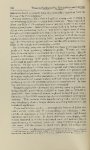
Show 264 Commissions on the Status of Women A technique that at least five States have found useful is series of regional or area meetings to acquaint local persons with the Commission's findings and recommendations and to a their help in implementation. In two of the States, Commissions on the Status of Women have City grown from secure these area meetings. Almost all of the Commissions have made rosters of quali fied women for Federal, State, and 100M positions land have urged their appointment. Among recent appointments di rectly traceable to the Commissions' activities are: a member of a State civil service commission, a State legislative coun cil, a State building board, a State human relations commit tee, and a commission on uniform State laws; several members of boards of trustees of institutions of higher learning; a registrar of motor vehicles; and a deputy director of person nel for State employees. A speakers bureau established by one Commission proved very helpful by assisting women's and civic groups to become acquainted with the program and findings of the Commission and to help implement its recommendations. A 30-minute. television show on the status .oj women pre pared by one Commission was taped and shown. This same Commission was especially successful in securing excellent cooperation and television coverage for its activities in general. One Commission obtained from its legislature an appropri ation of $10,000 to finance the printing of the Commission's report. One Commission in an industrialized State is working ac tively to help clarify the relationship of its State laws to the rulings of the Equal Employment Opportunity Commission. Most State Commissions have functioned actively on the legislative front, recommending a broad range of bills. Most frequently this activity was centered on efforts to ini tiate minimum wage provisions, or to improve the rates and extend the law to men. Equal pay laws also were given much support, as were, to a somewhat lesser degree. changes in State jury provisions, extension of day care facilities, and improvement in vocational education opportunities and' in guidance and counseling programs. One Commission initiated and gave support to a citizens' committee for an effective minimum wage. When that bill failed of passage, the Commission members met with that |