| OCR Text |
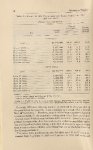
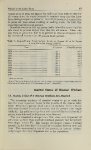
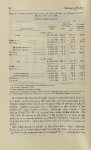
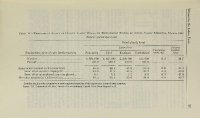
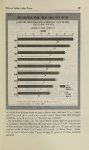
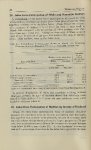
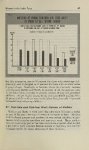
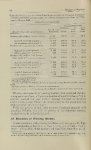
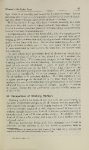
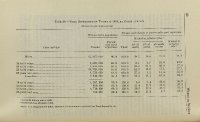
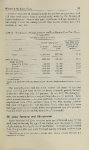
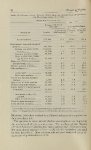
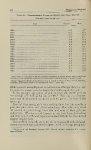
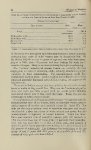
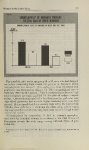
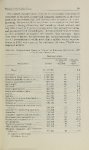
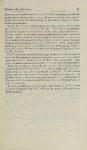
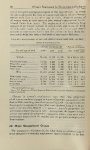
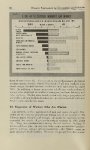
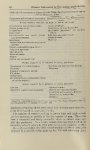
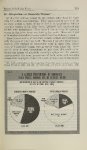
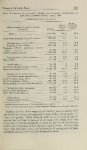
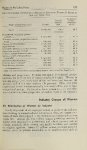
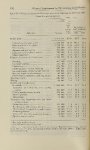
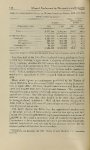
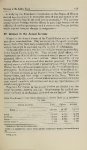
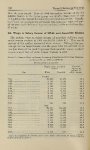
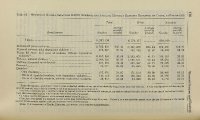
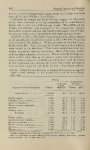
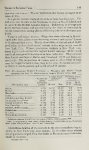
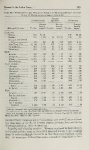
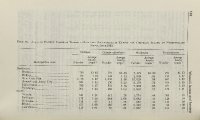
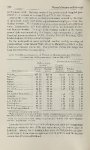
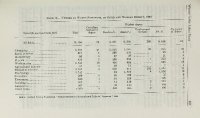
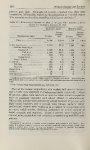
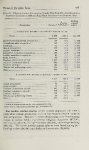
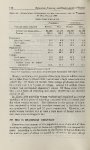
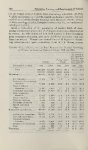
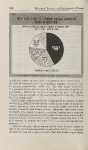
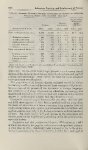
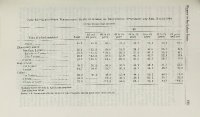
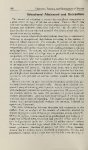
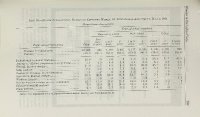
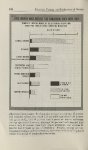
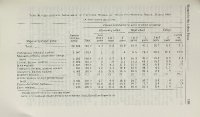
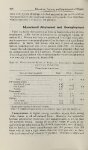
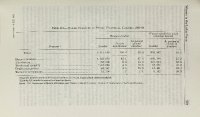
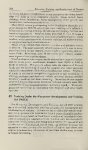
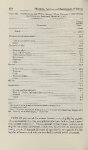
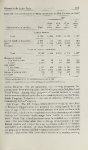
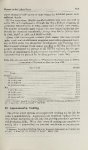
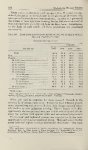
Show 69 Women in the Labor Force Professional and technical workers, of whom almost 3 out of 5 had spent 5 years or less with the same employer, had a relatively low average job tenure of 3.1 years, partly because they were a somewhat younger group and partly because they had more opportunities for job changes. Clerical workers, also a younger group, averaged 3 years on the current job; service workers, including private-household work ers, less than 2 years. Service jobs are likely to be part time and part year in nature. It is not surprising, therefore, that more than 7 out of 10 women in private-household and other service jobs' had spent 5 years or less on their current job. Ab8enteeism.-Labor turnover is one factor of labor costs. Another important factor is absenteeism. On the average women lose more workdays because of acute conditions than do men, but the reverse is true for chronic conditions such as heart trouble, arthritis, rheuma tism, and orthopedic impairment. According to a study made by the U.S. Public Health Service, employed persons 17 years of age and over lost an average of 3.25 days in the period July 1963 to June 1964 because of acute conditions (3.3 for women and 3.2 for men). When both types of conditions were counted, the worktime lost by showed persons 17 years of age and over because of illness or injury an average of 5.4 days for women and 5.6 days for men over the same period." 27 39. Dual Jobholders More than 'half a million women (511,000), or about 2 percent of all held more than one wage or salary job in May 1964 employed women, (table 32). The highest proportion of these "moonlighters" (2.3 per cent) were 'in age group 25 to 44 years, the same age group in which These are men show the highest proportion of multiple jobholding. typically the years in which financial obligations are heavy. Among women the lowest proportions were for age groups 14 to 24 years (1.8 percent) and 65 years and over (1.7 percent). Women are much less likely to hold more than one job than are men. More than 3 mil lion men, or 6.9 percent, were dual jobholders in May 1964. On their second job women averaged 8 hours a week compared with 13 hours for men. On their primary jobs women moonlighters were mainly clerical, professional and technical, or service workers. 2'1 Vital and Health Statistics, Series 10, No. 15. Public Health Service, U.S. Depart No. 13. Public Health Service, U.S. Depart ment of Health, Education, and Welfare. 28 Vital and Health Statistics, Series 10, ment of Health, Education, and Welfare. |