| OCR Text |
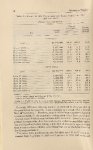
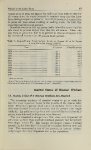
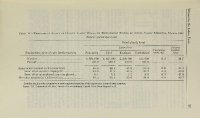
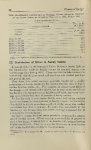
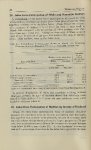
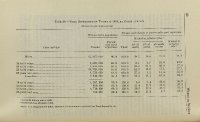
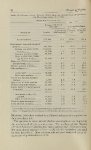
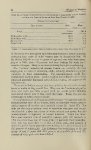
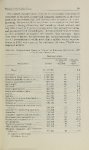
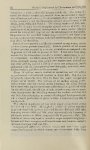
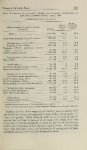
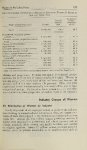
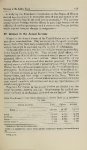
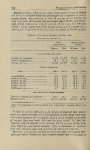
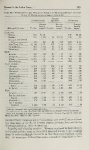
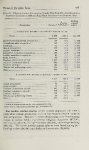
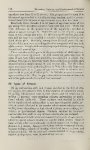
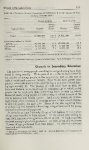
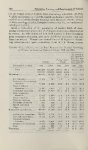
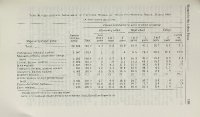
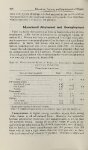
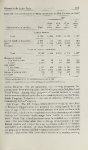
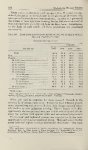
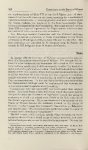
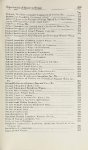
Show 179 Women in the Labor Force Among nonwhite girls, however, while only 4 percent left thorities. because of poor grades, 6 percent dropped 'Out of school because 'Of trouble with school authorities. In contrast, half of the boys who dropped 'Out of elementary 'Or high school gave economic reasons 'Or lack 'Of interest as their reason for withdrawing from school. Of the 421,000 girls 16 to 21 years of age who had left 'college, 23 percent gave marriage 'Or pregnancy as their main reason and 13 percent gave economic factors. On the 'Other hand, among the 296,000 boys, 35 percent indicated economic reasons and 15 percent claimed lack of interest in school. Table 87.-MAIN REASONS FOR DROPPING OUT OF SCHOOL OR LEAVING COLLEGE, BY LEVEL OF SCHOOL, SEX, AND COLOR, FEBRUARY 1963 (Persons 16 to 21 years of age) Level of school last attended Elementary or high, school Girls Main reason for leaving school Number (in thousands) Percent _____ _________ Total 1,675 White 1,345 Nonwhite 330 100.0 100.0 100.0 College Boys Women Men 421 296 100.0 100.0 100. 0 1,371 40.0 37.8 48.8 2. 8 23.0 6.9 Not interested in schooL 18.9 20. 3 13.0 24.4 4. 2 15.2 Economic reasons 1 12.1 12.4 10.9 26.2 13.0 35.1 6.6 6.9 5.8 4.0 8. 2 2.5 4.3 4. 8 2.1 12.1 5.8 8.0 4. 3 4.4 3.6 13.2 7.9 12.3 Marriage or pregnancy Own illness __ _____ ____________ Wanted to go to work Poor grades ___ ____________ Difficulties with school authorities ___________ Other reasons 1 __________ 2.4 1.5 5.8 7.4 .8 11. 5 11.9 10.0 9. 9 37.0 19.9 Includes unemployment In family, to support family, could not afford to go to school, needed money and similar reasons. Source: U.S. Department of Labor, Bureau of Labor Statistics: Special Labor Force Report Women and No. 46. Higher Education Each year more and more women enroll in and graduate from insti tutions of higher education. The advantages, both cultural and voca of education beyond the high school level have had a marked tional, influence on the decisions of many of our young women as to what |