| OCR Text |
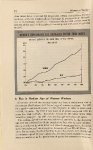
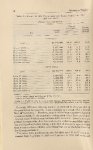
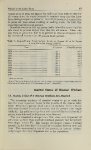
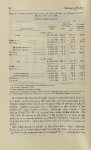
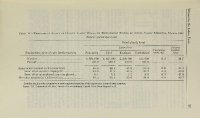
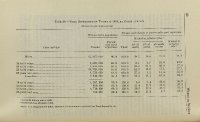
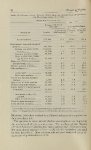
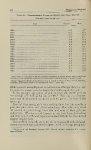
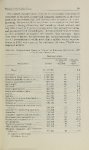
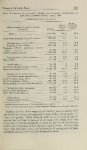
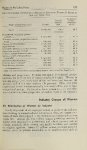
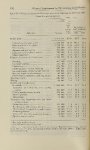
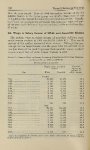
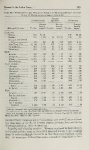
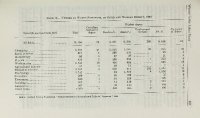
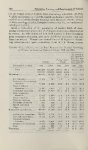
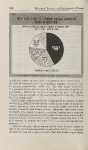
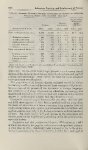
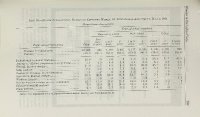
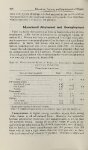
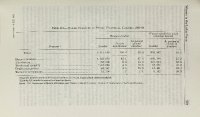
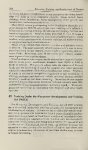
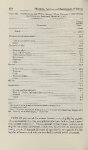
Show Women's Employment by Occupations and Industrie$ 88 de 7.8 million in 1965, a threefold increase (table 42). The rising mand for clerical workers has resulted from the remarkable expan sion of business and industry, the development of all types 'Of services at all of to the and the g'Overnment burgeoning activity community, of 1965, how workers clerical The Federal. and levels-local, State, 1940. The ever, differ inmany respects from the clerical workers of application 'Of techno1ogical developments to many clerical jobs has raised the level of skill required and the educational training needed. Opportunities for unskilled workers have narrowed, and there is an increasing demand for workers with the broad education and training that allow for flexibility. Outstanding expansion has likewise occurred among women service workers (except private-household). Sixteen percent of all women workers are now engaged in a service occupation as compared with 13 percent in 1950 and 11 percent in 1940. There have been many reasons for the tremendous growth in women's employment in serv Included -among these are the increase in the popu especially among 'Older people who require more medical care ice occupations. lation, and 'Other services, and the building 'Of many new restaurants, hotels, and motels with the accompanying need for maids, waitresses, cooks, kitchen workers, and other service personnel. About 3.7 million women worked as 'Operatives, and 3.3 million and technical workers in April 1965. But the rate professional two or in since these maj 'Occupational growth, especially 1950, groups varied widely. The increase 'Of 1.5 million among profes sional women 'Over the 15-year period illustrates the rising demand for workers with higher educational achievement or specialized skills. On the 'Other hand, the addition 'Of 'Only 440,000 among women 'Opera tives demonstrates the dwindling demand for- workers with less skill and little formal training, as recent technological developments per mit increased production 'Of goods with 'Out a commensurate rise in employment. The relative importance of four 'Other major occupational groups has declined since 1940. Although the number of women employed as private-household workers increased between 1950 and 1965 after dropping between 1940 and 1950, they represented only 8 percent of all women workers in 1965 as compared with 18 percent in 1940. The number 'Of women employed in tW'O 'Other major occupational groups farmers and farm managers and farm laborers and foremen-actually as of decreased between 1940 and 1965. Occupational dijference8 between women and men.-The major occupational groups in which women are concentrated differ from |