| OCR Text |
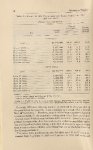
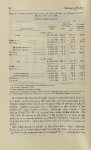
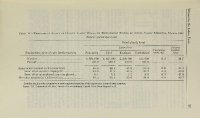
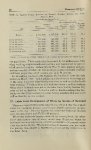
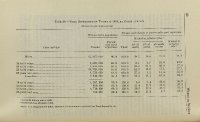
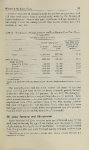
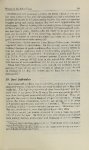
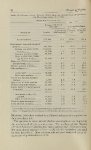
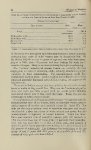
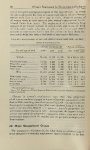
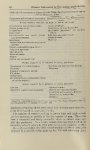
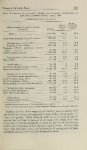
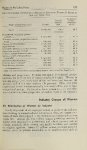
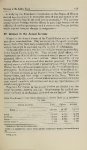
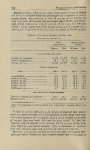
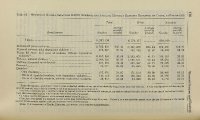
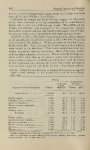
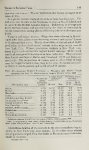
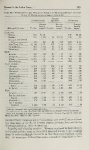
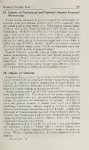
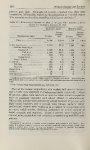
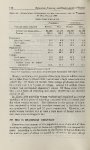
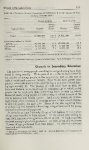
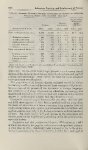
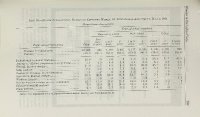
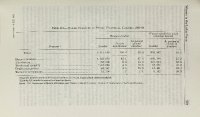
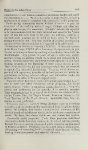
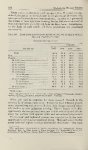
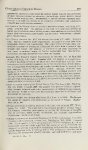
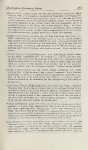
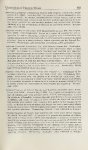
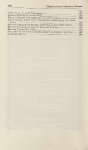
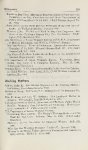
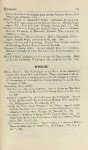
Show Woments Employment by Occupations and Industries 86 In recent rate in white-collar and trated in the low-paying jobs typical of this type of work. decades employment has risen at a more rapid service work than in Itny other type of work. Since 81 percent of all women work in these types of jobs, women's employment has in creased faster than men's. The employment of a rel3Jtively large segment of all women workers in service work 'and in certain kinds of white-collar work-jobs that often part time or part year are accounts to some extent for the fact that women are more likely than men are to work less than -a full week or less than a full year. Table 40.-EMPLOYMENT, BY SEX AND TYPE OF WORK, 1940, 1950, AND 19651 (Persons 14 years of age and over) Number (in thousands) Percent distribution Sex and type of work 1965 1950 1940 1965 Women 24,648 17,176 11,920 ______________ 1950 1940 100.0 100.0 100.0 ---- White-collar work Blue-collar work Service work Farm work ___________ ____________ _______________ _________________ en ________________ 14,066 4,053 5,854 8,858 3,464 3,939 6'74 916 5,380 2,400 3,450 690 46,422 41,492 34, 180 18,022 21,730 3,208 3,463 13,522 19, 108 2,757 6, 104 9,710 14,390 2, 160 7,920 57. 1 51. 6 45.1 16.4 20.2 20. 1 23.8 22.9 28.9 2.7 5.3 5.8 100.0 100.0 100.0 ---- White-collar work Blue-collar work Service work Farm work 1 __________ ____________ __________ - ____ ________________ 38.8 32.6 28.4 46.8 46. 1 42. 1 6.9 6.6 6.3 7.5 14.7 23.2 Data are for April of each year. Source: U.S. Department of Labor, Bureau of Labor Bureau of the Census. Statistics, and U.S. Department of Commerce, Ohamqee in women's employment since 1940.-The of all women workers engaged in white-collar work was than in 1940-reaching more than one-half by 1950. proportion larger in 1965 On the other hand, the proportion engaged in blue-collar work declined from 20 to 16 cent; in service work, from 29 to 24 percent. were farm workers was cut in half. per And the proportion who Among men, the biggest changes proportion engaged in white-collar work and a tremendous drop in both the number and the proportion employed as were an increase in the farm workers. 43. Major 'Occupational Groups The occupations of per,sons in the labor force are divided into 11 broad categories in monthly employment figures collected by the Bu- |