| OCR Text |
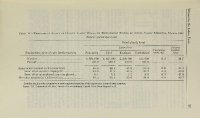
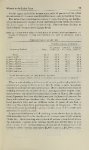
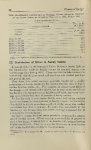
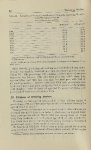
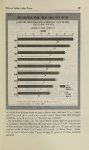
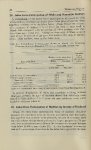
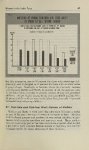
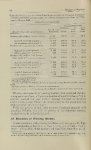
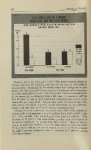
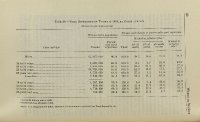
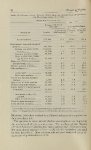
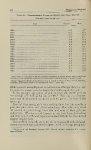
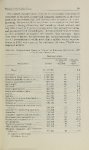
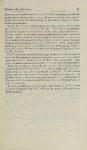
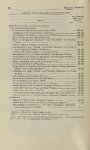
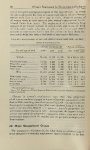
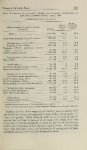
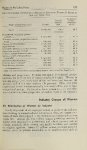
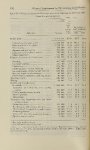
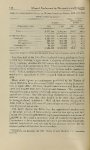
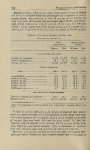
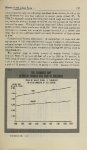
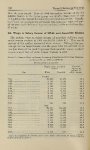
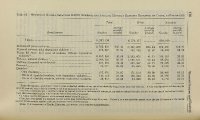
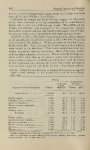
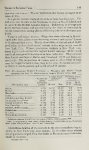
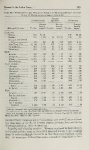
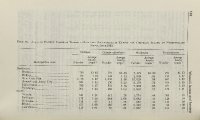
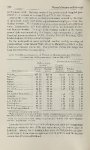
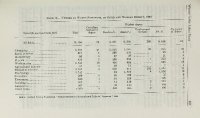
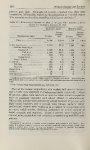
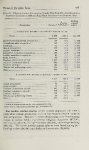
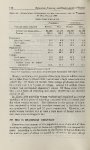
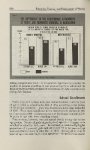
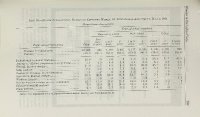
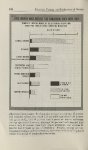
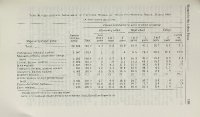
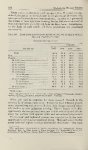
Show Women as Workers 68 married The average tenure in January 1963 for women (1.8 women (3.4 years) was much higher than that for single married The difference reflects the greater proportion of years) and tenure with women in age groups (35 years and over) longer job the in age women of youngest the overwhelming percentage single current the on time The low. is tenure average pattern for women. . groups, where-job very than job was much longer for full-time women workers (3.4 years) for part-time women workers (2.0 years). The average job tenure was about the same for nonwhite and white of nonwhite women, and also about the same proportion (20 percent) and white women had held their current job for more than 10 years. A greater proportion of nonwhite women than of white women are in service occupations where work is less steady than in the clerical This might be occupations where white women are concentrated. a shorter average job tenure for nonwhite women, result in to expected but this factor is offset by the more continuous association of non white women with the labor force because of economic need, as re flected in their higher labor-force participation rates. A comparison of job tenure in January 1963 by major industry in transportation and public utili group showed that women workers ties had been with the same employer the longest on the average (about 6 years) The shortest average job tenures for women (about 2.5 years) were among those employed in service industries and in finance and trade. Women factory workers had an average of 4 years of continuous job attachment. Among them, workers in nonelectrical machinery and fabricated metals industries had the longest average job tenures (6.0 and 5.5 years, respectively). On the other hand, women employed in the apparel industry had one of the shortest industries (3.5 average job tenures for women in the goods-producing years). By occupation the study indicated that the women who had the greatest job stability were in occupations that require the most train ing or experience or that provide the least opportunity to make a move. Among the latter, for example, were women farm laborers and foremen, who had the highest average number of years (9.9) with the same employer. Many of them were unpaid workers on family farms, and one-third had spent over 15 years on the current job. The numbers were, of course, small. Also, characteristically they were an older group. Equally small were the numbers of women managers, officials, and proprietors, who had the next longest average tenure (5.8 years) ; and they were also an older group. Women craftsmen had spent an average of 4.8 years on the job; operatives and kindred workers, 4.1 years. . |