| OCR Text |
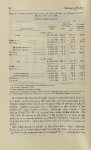
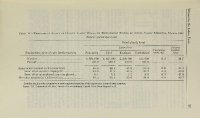
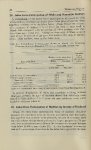
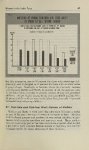
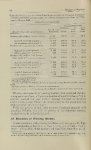
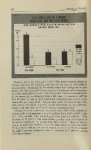
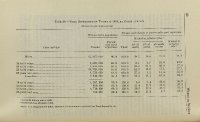
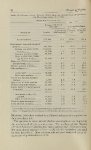
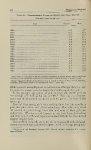
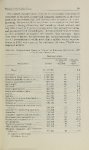
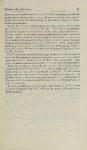
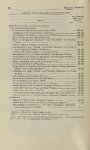
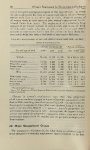
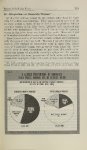
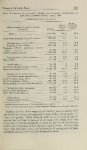
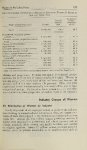
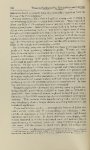
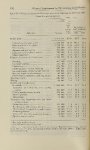
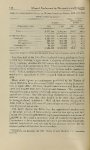
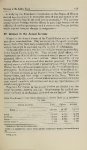
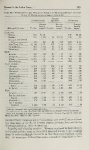
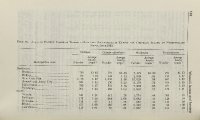
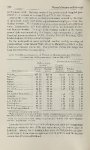
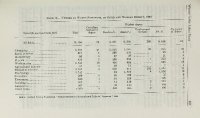
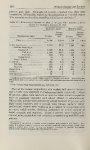
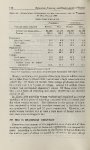
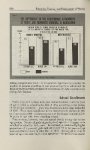
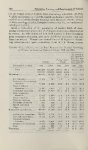
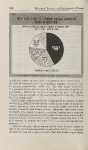
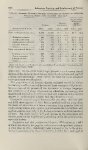
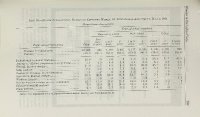
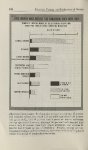
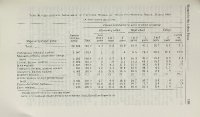
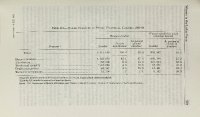
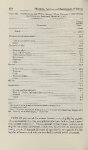
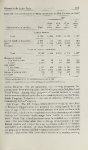
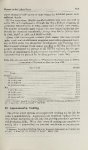
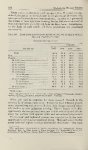
Show Education, Training, arid Employment of Women 176 ing school rose from 82 to 92 percent. The proportion of women 20 to 24 years of age enrolled in school more than doubled, and the propor tion 'of those 25 to 34 years of 'age increased more than five times. Relatively fewer .females 5 to 34 years of age than males of this age group were attending school in both 1950 and 1964. little difference in the There was proportions of the population enrolled in school at ages 5 through 17. But there was a wide disparity among those 18 years of age and over. In 1964 among 18- and 19-year-olds, over half the boys were enrolled in school as compared with only one third of the girls. Similarly, among those 20 to 24 years old, one fourth of the men were attending school as compared with one-tenth of the women. And the differences were proportionately greater among those 25 to 34 years of age. There W3!S 'also 'a divergence in the proportions of white and non white girfs 'attending school. In 1964 nearly all girls less than 14 years of age, both white and nonwhite, were enrolled in school. Be ginning with age 16, relatively more white girls than nonwhite girls attended school, except among 18- and 19-year-olds. But the differ ences were not 'as wide las they had boon in 1950, when only 72 percent of nonwhite girls 14 to 7 years of 'age were enrolled in school 'as com pared with 84 percent of white girls. In 1964 the respective percent ages were 89 and 92. Thus the gap in the relative number 'Of nonwhite and white girls enrolled in school has narrowed. 80. Types of Schools Of the 24.8 million girls and women enrolled in the fall of 1964, 16.7 million (67 percent) were in kindergarten or elementary school, 6.4 million (26 percent) were in high school, and the remaining 1.8 million (7 percent) were attending colleges, universities, or profes sional schools (table 86). These students were enrolled in schools in the regular school system; that is, any type of graded public, pri vate, or parochial school in the regular school system offering courses leading to an elementary or high school diploma, or to a college, uni versity, or professional degree. Students enrolled in vocational courses taken for credit at any of these schools also are included. An additional 637,000 girls and women 5 to 34 years of age were en rolled in special schools outside the regular school system. Most of these schools 'Offer occupationally oriented courses not leading to 'a diploma 'Or a degree. Among others, they include vocational schools, schools of nursing, schools of beauty culture, and business colleges, technical schools. 543,000, or Of the gir1s and women enrolled in these schools, 85 percent, were 18 years 'Of age or over. |