| OCR Text |
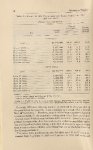
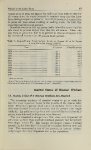
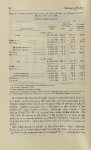
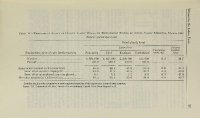
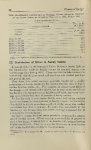
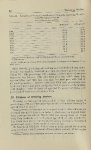
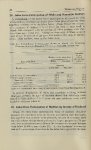
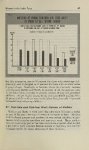
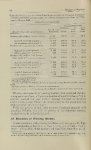
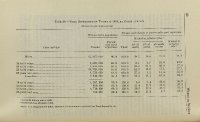
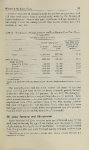
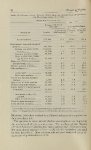
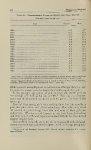
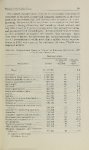
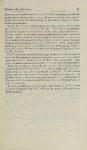
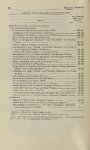
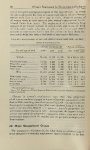
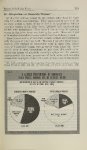
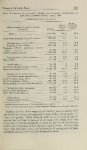
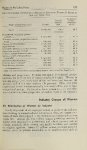
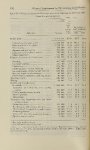
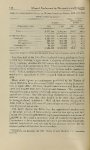
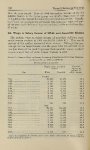
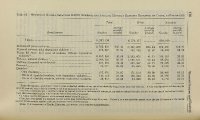
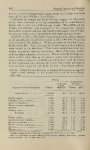
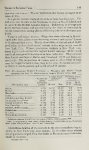
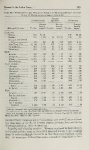
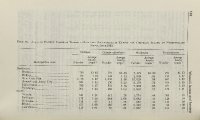
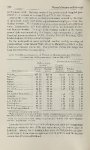
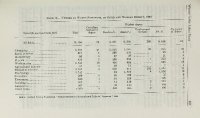
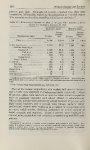
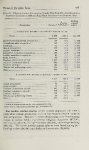
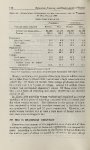
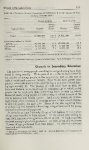
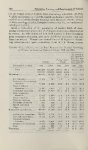
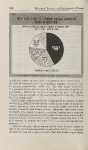
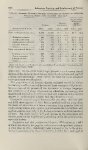
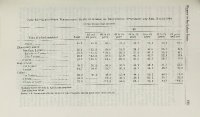
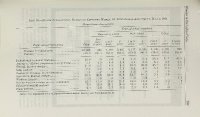
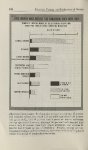
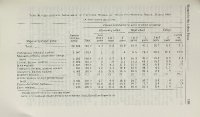
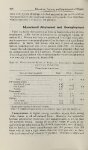
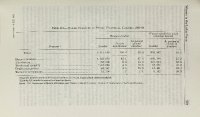
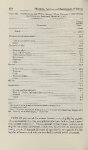
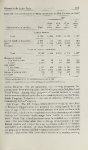
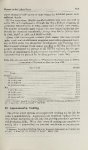
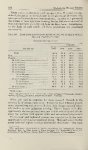
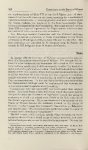
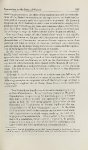
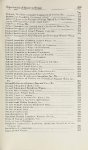
Show Women's Employment by Occupations and 108 Industries somewhat from the figures are based on payroll data, they may differ Bureau of the Census figures." were working in Faetory workers.-More than 4.6 million women 1965 (table 51). They constituted manufacturing industries in April all manu about one-fifth of all employed women and one-fourth of in worked women factory offices; these of facturing employees. Some of these relative The workers. importance others were production In to from industry. many two groups varies considerably industry the women of the heavy manufacturing industries, less than half of manufactur other In 1960. in lighter had production jobs employees textile mills, as many as four ing industries, such as apparel and some workers. were fifths of the women production durable Manufacturing industries are divided into those producing are more Women nondurable goods. goods and those producing durable goods. Thus 60 likely to be employed in nondurable than in in in women April 1965 were employed manufacturing percent of all the concentration "soft" Nevertheless, in plants producing goods. been in 1950 (67 had it as not as was 1965 in this field in April great the nondurable in industries in women the Of working percent) related and in were products. million 1 than apparel division, more and mill textile were women of products Two other large employers number the in increase overall an kindred food and products. Despite of women employed in the manufacture of nondurable goods since in plants 1950, the number of women workers declined substantially manufactures. In these tobacco and textile mill products producing . two industries many processes have been automated. Women's employment increased considerably more in plants pro in ducing durable goods-from 1,245,000 in April 1950 to 1,836,000 1965. One-third of all women employed in durable goods manu April facturing in April 1965 were in the electrical equipment and supplies industry. This includes firms manufacturing radio and television and sets, telephones, electric lamps, electric measuring instruments, household appliances. Nonmanufacturing workers.-Although the Bureau of Labor Sta tistics survey covers only 70 nonmanufacturing industries, it does include all employees in retail trade, wholesale trade, and finance, more insurance, and real estate. In April 1965 there were slightly in than trade retail and wholesale in women employed (4.7 million) whole in were 710,000 manufacturing (4.4 million) (table 52). Only sale trade. 6 the Of the women in retail trade, about 1.3 million were Bureau of the Census survey includes The two surveys cover different time periods; the and the Bureau of Labor Statistics figures self-employed and unpaid family workers; by more than one firm. include some duplication in the case of persons employed may |