| OCR Text |
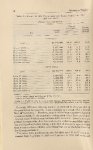
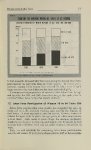
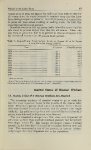
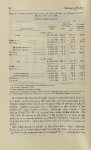
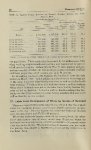
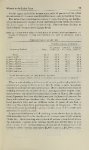
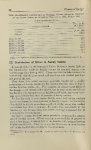
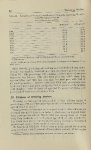
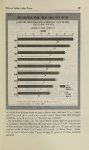
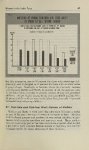
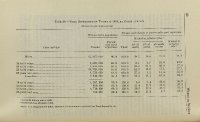
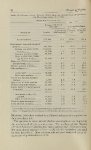
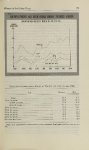
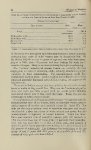
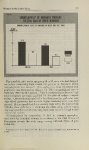
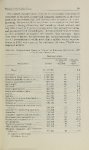
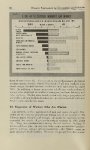
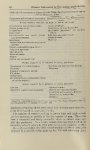
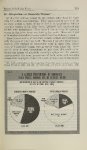
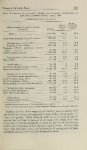
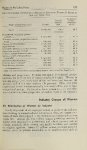
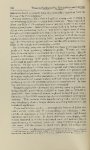
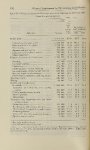
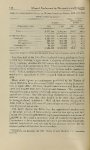
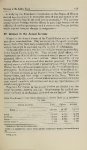
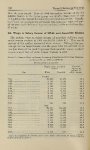
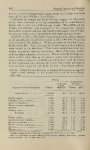
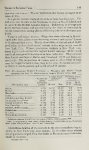
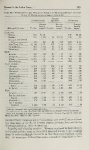
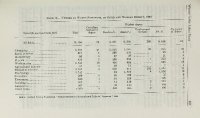
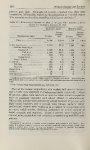
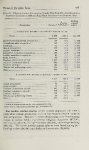
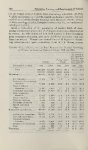
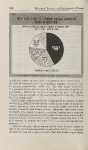
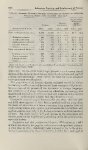
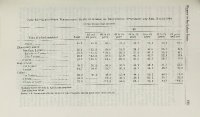
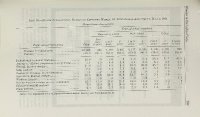
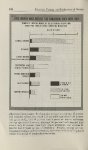
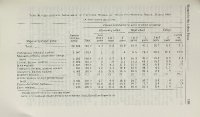
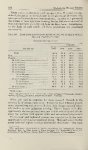
Show 2 WOMEN·S EMPLOYMENT BY·OCCUPA-· TIONS AND INDUSTRIES· Principal Occupations of Women The considerable rise in women's employment in recent years has been accompanied by an increase in the number and variety of women's occupational opportunities. Although women are still concentrated in relatively few occupations, the number in new fields of employ ment is 'expanding. In fact, women were reported in all of the 479 individual occupations listed in the 160 decennial census. To many women some 'Of these occupations would not be attractive or suitable. Nevertheless, women were found working as blasters and powdermen, boilermakers, longshoremen and stevedores, roofers and slaters, and locomotive firemen and engineers, to name just a few. Occupations of persons in the labor force may be classified accord ing to the type of work performed Dr by broad 'Occupational categories. Both are significant in any discussion of the current employment of women and the shifts in women's working patterns. 42. Type of Work The wide disparity between the concentration of women and men workers by type 'Of work has contributed to the difference in their earnings, in the rate of growth of their employment, and in the rela time or part year. Of the 24.6 million tive number working part employed in April 1965, 14.1 million, or almost three-fifths, Another one-fourth were employed in white-collar jobs (table 40). Of the remainder, 4.1 million were blue-collar were in service work. workers, and about 675,000 were farm workers. In contrast, almost one-half of the men were employed in blue-collar work, and two-fifths The remainder were about equally divided were in white-collar jobs. women between farm work and service work. The fact that 24 percent of the women and only 7 percent of the men were employed in service work means that women are concen85 |