| OCR Text |
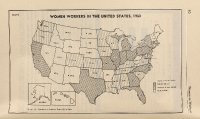
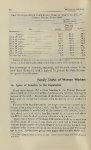
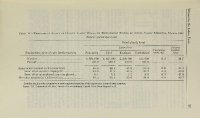
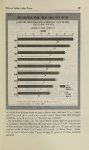
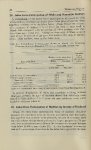
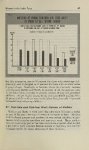
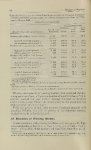
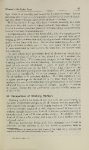
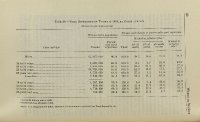
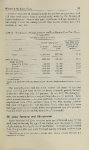
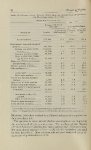
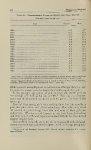
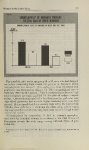
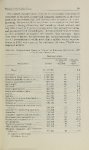
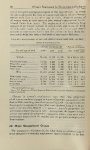
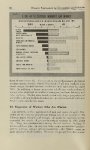
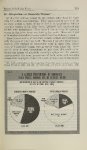
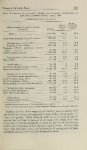
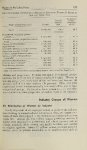
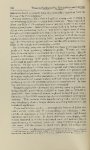
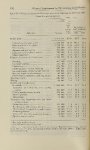
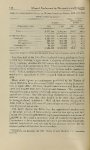
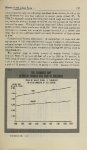
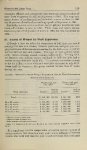
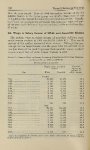
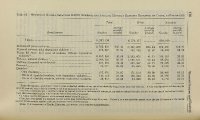
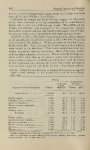
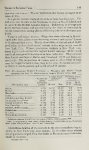
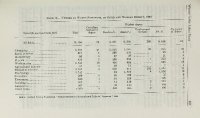
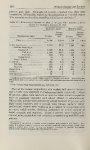
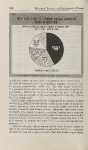
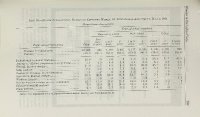
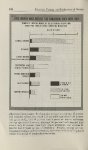
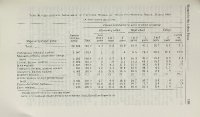
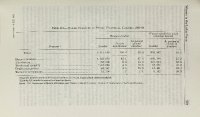
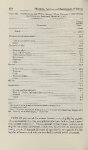
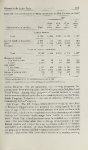
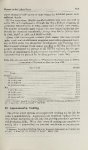
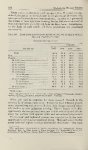
Show rl I 111 Women in the Labor Force working in general merchandise stores and 1 million in eating and drinking places. An additional 1.5 million women were employed in finance, insurance, and real estate, mainly in banks and in certain insurance companies. Among the few service industries surveyed, large numbers of women were employed in hospitals (1,134,500) and in laundries and cleaning and dyeing plants (360,200). Women's employment in hospitals had increased by about one-fourth since 1960, but in laundries and cleaning and dyeing plants was only slightly higher in 1965 than in 1960. The only industry with more than 100,000 women workers in the transportation and' public utilities group surveyed was communica tions. In April 1965, 430,100 women were working in this industry about the same number as were employed in 1960. Women generally constitute a higher proportion of all employees in nonmanufacturing than in manufacturing industries. In April 1965 women held 81 percent of the jobs in hospitals, 70 percent in general merchandise stores, 66 percent in laundries and cleaning and dyeing plants, and 65 percent in apparel and accessories stores. On the other hand, women were only a small proportion of all workers.in mining (6 percent), passenger transit (8 percent), motor freight transportation and storage (9 percent), and pipeline transportation (8 percent) . 55. Women on farms About 4.4 million women-only 6 percent. of the women 14 years of to be living on age and over in the United States-were estimated farms in the year centered on April 1964, according to a survey con ducted the Bureau of the Census (table 53). This was 701,000 less by than in April 1960 (monthly figure), the earliest date for which com parable figures are available. The migration of the population from farms to towns or urban areas, however, has been a long-term trend, from the lack of opportunities in agriculture be arising partly job of mechanization and other technological advances and partly from the increased opportunities .in better paying nonagricultural cause positions. In contrast, the number of farm women in the labor force has de Moreover, a somewhat larger pro creased only slightly since 1960. portion of :all farm women were employed or seeking 'Work in 1964 than in 1960-34 percent compared with 30 percent. On the other hand, the labor-force participation rate of men living on farms has declined from 85 percent in 1960 to 82 percent in 1964. |