| OCR Text |
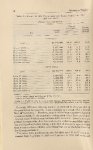
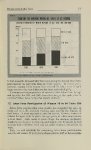
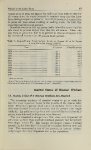
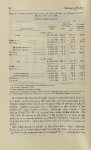
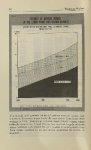
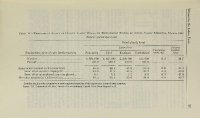
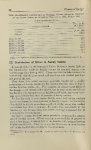
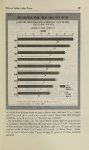
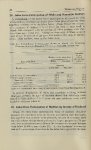
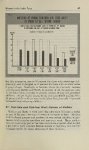
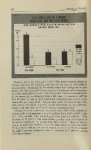
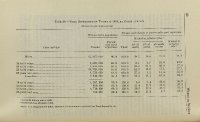
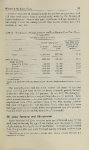
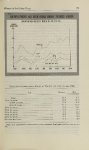
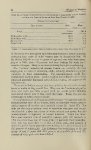
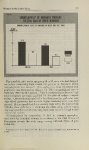
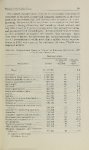
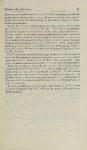
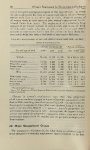
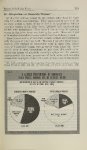
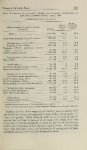
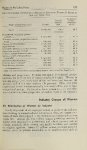
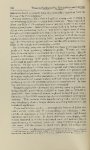
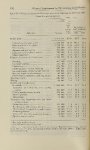
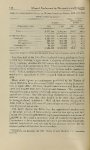
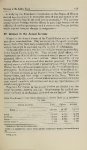
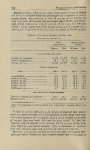
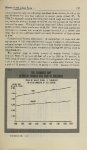
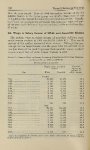
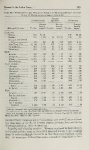
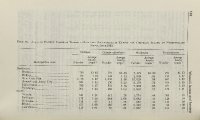
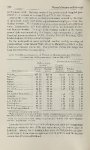
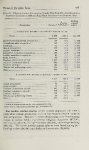
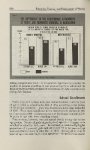
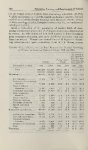
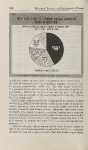
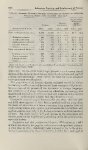
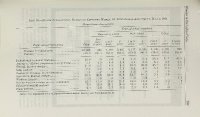
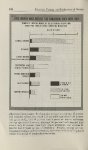
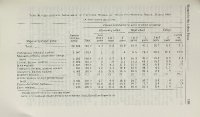
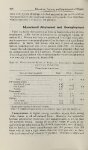
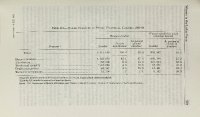
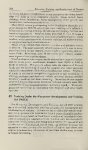
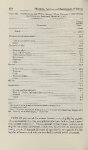
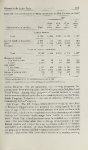
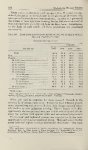
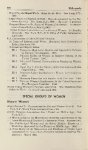
Show Women as Workers 76 Table 3G.-PERCENT DISTRIBUTION BY UNEMPLOYED YOUNG PEOPLE, OF ExPERIENCED SEX AND TYPE OF WORK OF LAST JOB, FEBRUARY 1963 (Persons 16 to 21 years of age) Girls Type of work TotaL White-collar work Blue-collar work Service work Farrnwork _ _ _ _ Boys 100.0 100.0 39.8 5.7 19.3 76.0 40.9 9.8 8.4 _ Source: U.S. Department of Labor, Bureau of Labor Statistics: Special Labor Force Report No. 46. of the many who have given up jobhunting because it seemed hopeless, unemployment rates 'Of older women may be deceptively low. Of the almost 400,000 women 45 years of age and over who were unem ployed in 1964, about 16 percent had been looking for work for 6 months or longer. Many more thousands may have given up looking. The "hidden" unemployed among women are probably the least employable in terms of education, skills, industry attachment, or job Yet unemployment could bear vacancies in their communities. particularly hard on them. And it must be remembered that in many rural and generally depressed 'areas 'Of this country, job opportunities may not exist. There are still other women who have jobs but dJO not work as many hours 'Or weeks as they would like, 'I'hey are the "underempl'Oyed" those who work part time 'Or part year, but would prefer full-time year-round steady [obs if they could find them. These, too, are dis advantaged in terms of employment. Unemployment of white and nonwhite women.-Compared with the unemployment rates of all women, those of nonwhite women present special aspects 'Of severity and hardship (chart M) (table 37) Not only are the unemployment rates of nonwhite teenagers and women considerably higher than those of white at each age group, but also unemployment is typically of longer duration, While the labor force participation rate of nonwhite teenage girls (23 percent) in 1964 was lower than that of white girls (29 percent), their unemploy ment rate was more than twice that of white girls-30.6 percent of nonwhite girls 14 to 19 years old were looking for work compared with 13.2 percent of white girls. The difference was even larger in the age group 16 and 17 years old-36.5 percent of nonwhite girls and 17.1 percent of white girls were unemployed. . |