| OCR Text |
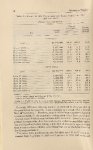
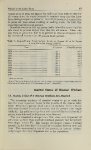
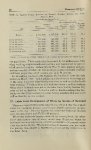
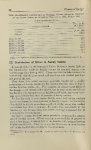
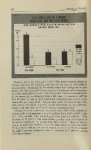
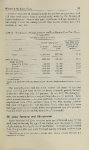
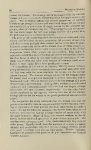
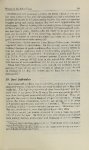
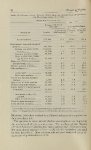
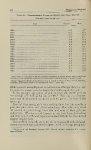
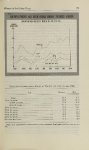
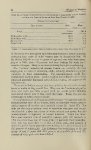
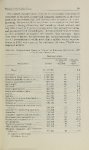
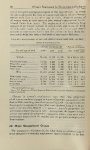
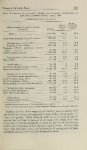
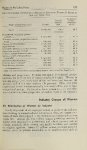
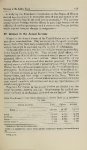
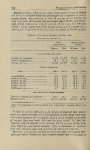
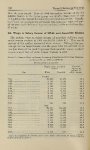
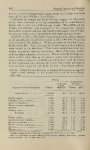
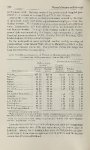
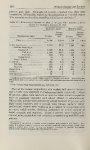
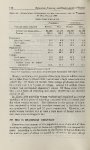
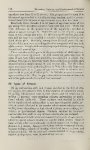
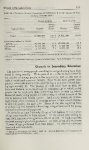
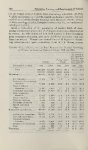
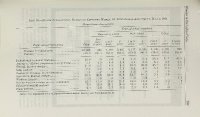
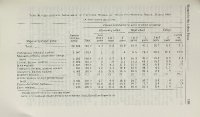
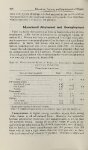
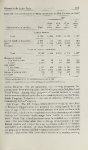
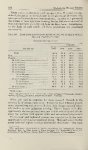
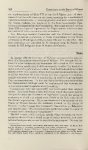
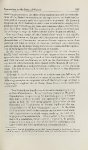
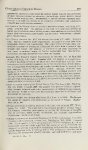
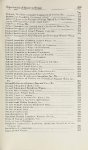
Show 202 Education, Training, and Employment of Women uates with 3 years of college who had majored in the health sciences likely to be using their majors (93 percent) than were those who had majored in education (65 percent). were more Educational AHainment and Unemployment There is a fairly close correlation between limited education and un employment. (For further information on unemployed women, see section 40.) Women who have not graduated from high school gen erally experience more unemployment than do those with more formal education, In March 1964 women with only 8 years of schooling had an unemployment rate of 6.2 percent (table 98). In contrast, women who had completed high school but had not attended college had an unemployment rate of 5.6 percent. Women who have graduated from college run the least risk 'Of unemployment-their unemployment rate was 'Only 1.6 percent in March 1964. Table 98.-UNEMPLOYMENT RATES AND OF WOMEN, BY EDUCATIONAL ATTAINMENT COLOR, MARCH 1964 (Women 18 years of age and over) Years of school completed Total 6.1 _ Elementary school: Less than 5 years 1 6. _ 5 to 7 years _ 1 to 3 years :.. 4years _ _ College: 1 to 3 years 4 years or 1 Includes more 6} 9. 9 _ 8years High school: White Total _ _ persons reporting no school years completed. Source: U.S. Department of Labor, Bureau of Labor Statistics: Nonwhite 5.4 10. 8 9} 8.9 & 6. 2 6.0 8.5 7. 3 5.6 5. 5.2 4. 5 1.6 1.7 I} 14.4 10.2 Special Labor Force Report No. 53. Unemployment is higher among nonwhite women than among white women at all educational levels. However, the correlation between educational attainment and unemployment is not as· clear for nonwhite women. Among all nonwhite women 18 years of age and over in the labor force in March 1964, those with 8 years of educa tion or less had a lower unemployment rate (8.9 percent) than did those with at least a high school education (10.2 percent) Dr those with 1 to 3 years of high SChDDl (14.4 percent) . This may be explained |