| OCR Text |
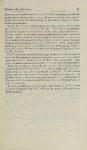
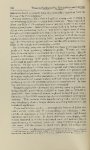
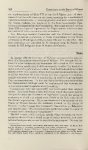
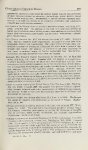
Show 248 Political and Civil Status of Women of employment; or to limit, segregate or classify his employees in any way which deprives them of employment • opportunities. For a union to exclude or expel from membership, limit, segregate classify, fail or refuse to refer for employment on any of the prohibited grounds or to cause or attempt to cause an employer to or discriminate. • For an employment agency to fail or refuse to refer for ment on any of the prohibited grounds. employ • For any of the above to print, publish, or cause to be printed ad vertisements regarding employment indicating any preference, clas sification, or discrimination on any of the prohibited grounds. For an employer, labor union, or joint labor-management com mittee to discriminate on any of the prohibited grounds in appren • ticeship or other training or retraining, including on-the-job train mg programs. The exception to the above prohibitions is when sex is a bona fide occu pational qualification reasonably necessary to the normal operation of the particular business. The Federal Government has been working to achieve equal oppor tunities for women in Federal employment. In private employment the recent Civil Rights Act will chart a new course in labor legislation designed to prohibit discrimination. Prior to passage of the Federal act only 2 States-Wisconsin and Hawaii-had bans against discrim ination in private employment based on sex. (Washington State, by Executive order dated June 13, 19'63, banned such discrimination in public employment; and Colorado, also in 1963, had amended its fair employment practices (FEP) law to 'ban discrimination based on sex in apprenticeship, vocational training, and on-the-job training courses.) Title VII encourages State action in this area since it requires that State or local remedy for an alleged unlawful employment practice be pursued for a specified period before the Commission can take ac a tion; permits utilization of State agencies by the Commission; and allows the Commission to cede its administrative authority to a State or local agency that effectively administers its own antidiscrimination law. In 1965, 5 States-Arizona, Maryland, Nebraska, Utah, and Wyo ming-enacted new FEP acts which include a ban on discrimination |