| OCR Text |
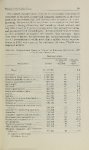
Show Commissions on the Status of Women 255 throughout the country. Their enforcement has lightened the burden of welfare agencies to a large extent, and incidentally has contributed to the preservation of the family unit since it is easier for the parties to become reconciled when an action is civil and not criminal in character. One problem, however, has persisted to hamper the effective admin istration of these acts: that of finding the deserting party responsible for the An of his development in this interesting dependents. support area was the enactment of almost identical laws in 1963 in 4 States- and Vermont-following an earlier Arkansas, Minnesota, Missouri, law in New York. Each of these laws permits responsible 'agencies within the State or any other State in the Nation to request and receive information from the records of all departments, boards, bureaus, and who other State agencies within the State to assist in locating parents the for liable other sup or children their persons have deserted any In 1965 Idaho, Maine, and Maryland of their dependents. port adopted such laws. Civil Status-Contract and Property Law 121. Power 10 Make Contracts All States with a common-law background recognize a married woman's legal capacity to contract her personal services in employ ment outside her home and to be entitled to earnings from such work without the formal consent of her husband. In the eight community 23 her woman may contract with respect to property States a married from such employment, but the earnings and employment earnings considered part of the community property. with In the majority of States a married woman may contract are respect to her separate property. States-Georgia, Idaho, and Kentucky-a married to become a surety or a guar woman does not have the legal capacity case law prohibiting a married woman In Michigan existing antor. be will reinterpreted in the light of from being a surety undoubtedly an Texas In express statutory provision the State's new constitution. from woman being a bonded obligor was re prohibiting a married if previous decisions stating known not is it pealed in 1963. However, will be In at least 3 24 that married women have no general powers 23 24 See footnote 20, p. 254. Bank v. Maier Dowagiac NationaZ 779-555 0-66--18 (1938), 280 N.W. 86. to contract appli- |