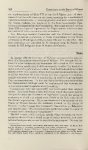
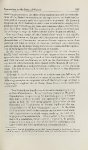
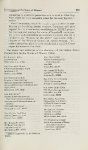
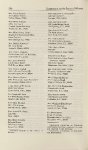
| OCR Text |
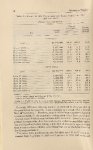
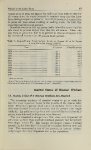
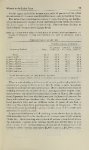
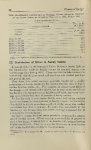
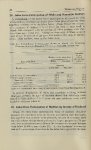
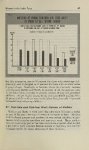
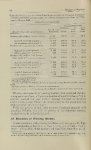
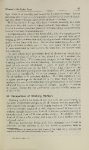
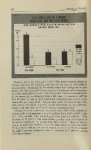
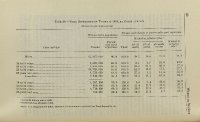
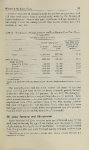
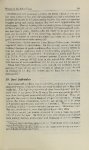
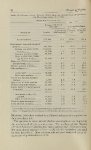
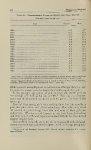
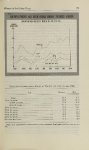
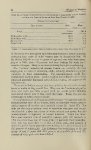
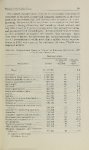
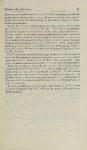
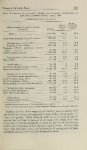
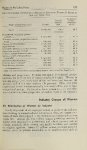
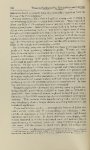
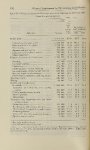
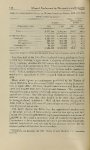
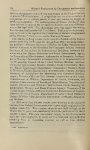
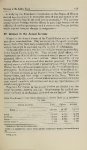
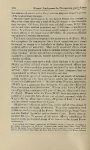
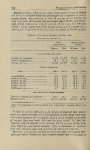
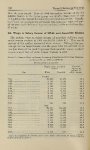
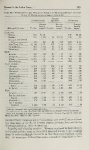
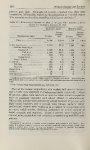
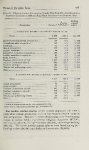
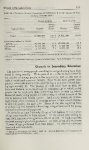
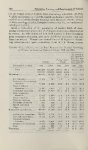
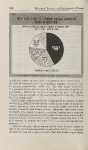
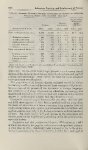
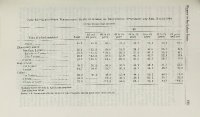
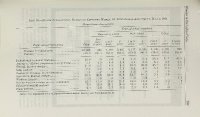
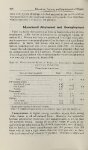
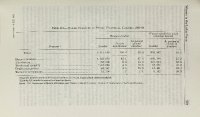
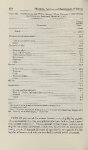
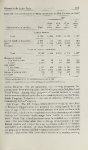
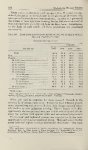
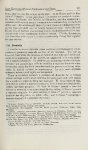
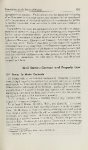
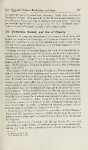
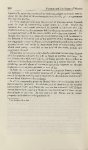
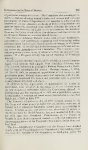
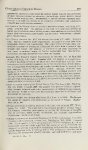
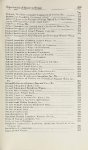
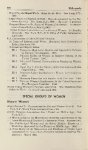
Show 115 Women in the Labor Force Table 54.-WOMEN FEDERAL THE IN SERVICE, SELECTED YEARS, 1923-641 As percent Year 1964 (estimated) - Number 2 - - - - - - - _ 1961 1958 1956 1954 1952 (Korean confiict) 1950 1947 (return of war veterans) 1944 (World War II peak) 1939 1923 1 - _ - - - _ - __ _ _ _ _ _ _ _ _ _ _ 601,358 3560,593 533,001 533,318 521,945 601,215 410,327 444,194 1,110,545 172,733 81,486 of total employee8 Percent in District of Columbia area 25 17 25 17 24 17 24 18 24 19 25 19 23 24 24 22 37 15 19 29 16 34 Data are for June of each year except 1944 (July) and 1956, 1958, 1961, and 1964 (December). to civilian employees in continental United States. 2 Refers 31'he total number of women Federal employees in the United States and foreign countries was 593,579 in 1961. Source: U.S. Civil Service Commission. The majority of women employed by the Federal Government are white-collar workers, mainly clerk-typists, clerk-stenographers, and Others are technicians and specialists. About lout of 10 women in white-collar employment in 1964 had professional or scientific jobs requiring either a college degree or its equivalent, secretaries. and a smaller proportion of women held high-level policy-determining Most of the women blue or administrative management positions. collar workers were engaged in service operations, such as laundering and drycleaning or food preparation. Others were assigned to manual work; fabric, fur, and textile work; and printing and reproduction. The women blue-collar workers were employed mainly by the Military Establishment or the Veterans' Administration. Eteeoutioe branch, Foreign Service.-In the international field, in June 1965 the United States was represented by a woman on the Trust eeship Council, the highest rank ever held by a woman representing the United States in the United Nations. Women have represented the United States regularly as delegates in the U.N. General Assembly, the UNESCO General Conference, UNICEF, the Organization of American States, and other bodies. In 1965 women served as repre sentatives of the United States on the Social Commission and the Statusof Women Commission, and women served in various capacities in the U.S. Permanent Mission to the United Nations. The United |