| OCR Text |
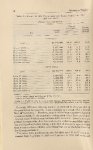
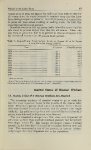
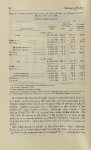
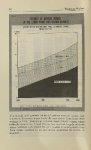
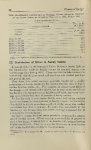
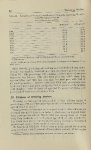
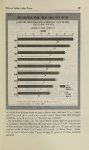
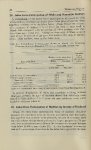
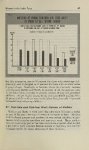
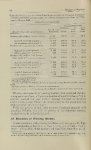
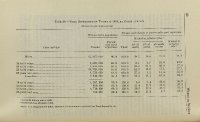
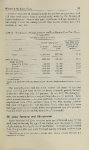
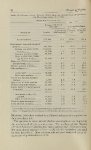
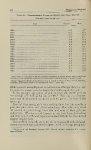
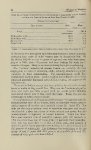
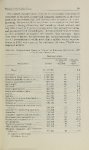
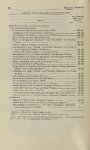
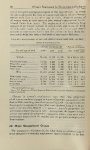
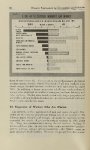
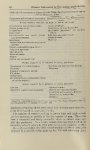
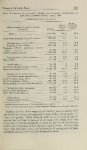
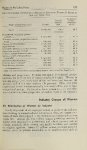
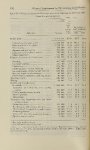
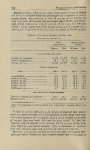
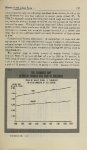
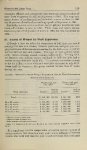
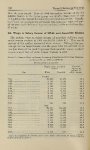
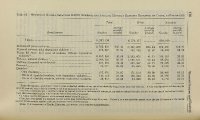
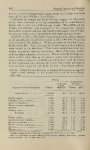
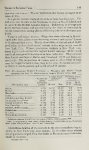
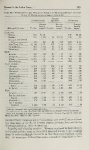
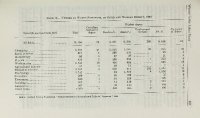
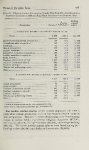
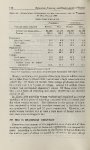
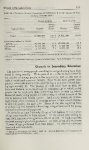
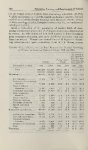
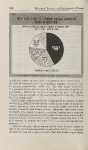
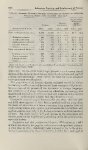
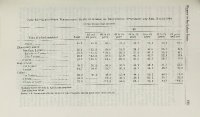
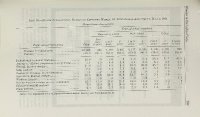
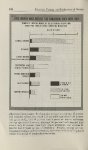
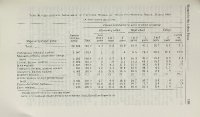
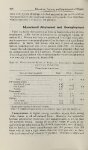
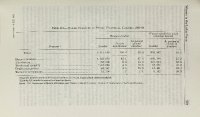
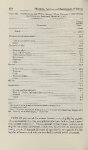
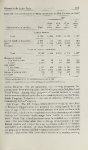
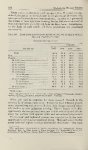
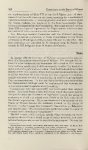
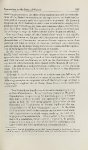
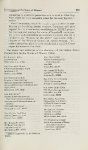
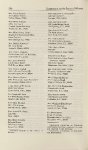
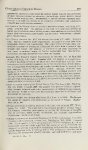
Show Women in the Labor Force 93 The number of occupations in which 100,000 or more women were employed had increased since 1950, when there were only 29. The seven occupations added during the decade were babysitter, char woman and cleaner, counter and fountain worker, file clerk, house keeper and stewardess (except private-household), musician and music teacher, and receptionist. N early all of these jobs were for clerical workers or for service workers (except private-household)-the two major occupational groups in which the. number of employed women had increased the most since 1950. Another measure of the major 'Occupations 'Of women is an exam ination of those in which women were three-fourths or more of all workers. In more than half of the 36 occupations in which 100,000 or more women were employed, at least 3 out of 4 workers were women; in at least one-third, 9 out of 10 were women. Table 44 ShDWS the detailed 'Occupations in which 75 percent Dr more of all workers were women in 1960. 45. Women in Professional Occupations There were 3.3 million women-1 out of 7 employed women-in professional and technical occupations in April 1965. About 1.5 mil lion more women were engaged in professional or technical work in 1965 than in 1950, and almost 1.8 million more than in 1940. sharp rise in the number 'Of women professional workers, ThB especially since 1950, may be attributed to a variety 'Of social and economic developments of the period, The tremendous need for better edu cated workers, as well as the sizable increase in the population, stimu lated the expansion of educational systems and facilities. The con tinuing concern for the health of all, and especially of older people as the lifespan increases, resulted in enlarged medical facilities and ex panded health prDgrams. The growth of business and industrial firms and of government operations increased the need for account personnel workers. The large increase in the number of young people in the population and a growing awareness of their special needs brought 'about Ian expansion in services, both public and private, to youth. Teaching continues to be the most popular profession among women. The 1,381,000 women teachers (except college) in April 1965 equaled 42 percent of an professional women, according to the monthly report ants and of the Bureau 'Of Labor Statistics. (considerably above the the 839,000 in 1950) 768,000 This number 'Of women teachers census and recorded in the 1940 gives some indication 'Of the rapid expansion 'Of 'Of our educational systems. Seven 'Out 'Of 10 'Of the women teachers |