| OCR Text |
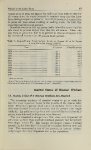
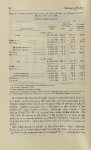
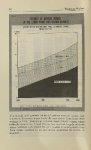
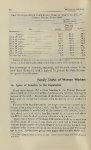
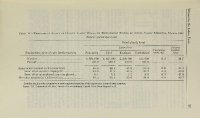
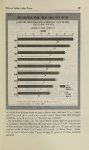
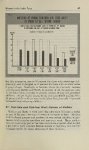
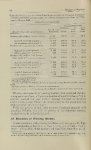
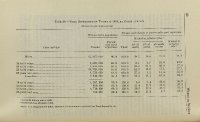
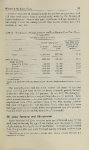
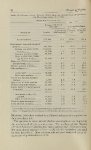
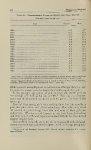
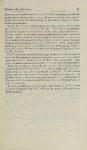
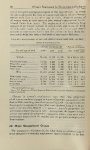
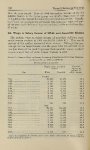
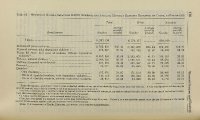
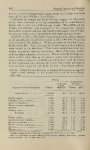
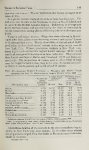
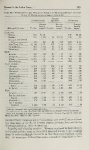
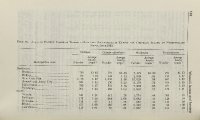
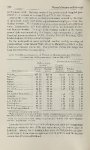
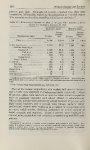
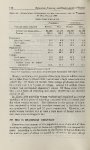
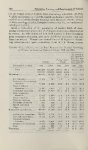
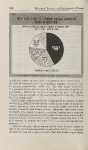
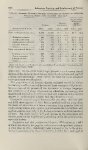
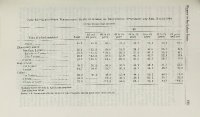
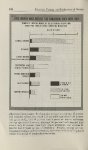
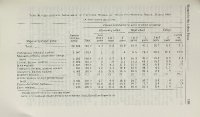
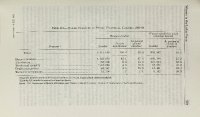
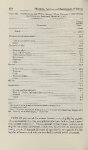
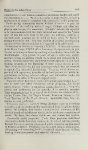
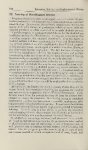
Show Women's Employment by Occupations and Industries 98 he other institutions (288,268) and practical nurses (197,115). construction and expansion of hospitals, nursing homes, mental m sticutions, and other health facilities brought an increasing de mand for workers in these occupations. Here again, most of the new openings have been filled by women. As a result, the number of attendants in hospitals and other institutions had more than doubled since 1950, and the number of women nurses increased practical by one-half. One service occupation in which the rise in the employment of women has been outstanding, even though the numbers are small, is that of crossing watchman and bridgetender. Although most pro tective service workers are men, women's employment in this occupa tion increased from 5 percent of all workers in 1950 to 46 percent in 1960 (a numerical increase from 458 to 11,575). In 1960 nearly all these women were in local public administration. About 9 out of 10 were employed less than 30 hours a week, most of them probably as school crossing guards before and after school hours and at lunch time. In addition, large groups of women workers were employed in per sonal services as hairdressers and in cosmetologists; housekeeping housekeepers, and stewards; and in building and custodial services as charwomen, cleaners, janitors, and services as chambermaids, maids, sextons. Occupations by Selected Characteristics 49. Occupations of Women by Marital Status The occupations of women vary to some extent with their marital employed in clerical work than in any other maj-or occupational group in March 1964, whether they were status. More women were single, married (husband present), or with other marital status (table 45). But the concentration of women in this, occupational group differs 'according to their marital status. Thus a larger propor tion of all single women (40 percent) than of either married women (30 percent) or women with other marital status (25 percent) were clerical workers. There are several reasons for the larger propor tion of single women in clerical jobs. Many are under 25 years of age and completed their education with high school. Thus they often hold low-paying entry jobs that little or require training experience. Moreover, many single girls prefer clerical work because it is usually full time the year round. |