| OCR Text |
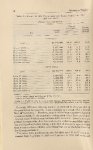
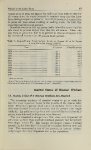
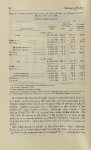
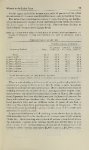
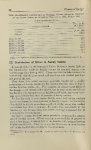
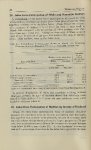
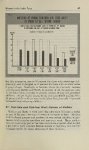
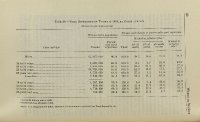
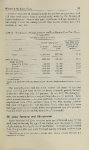
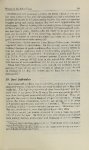
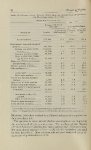
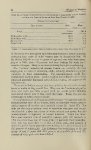
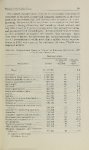
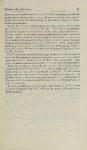
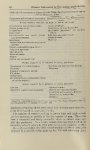
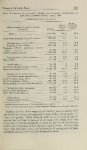
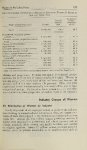
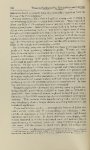
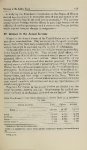
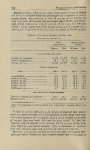
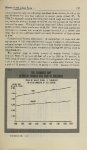
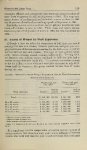
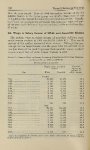
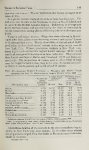
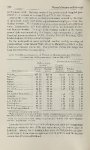
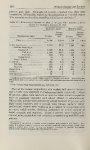
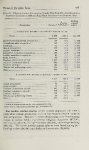
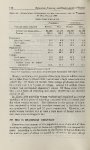
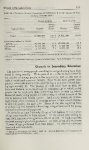
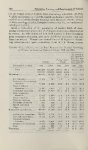
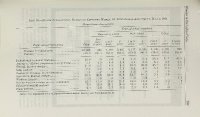
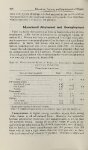
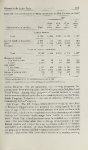
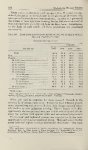
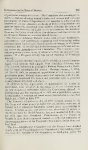
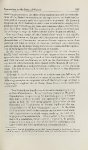
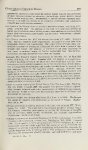
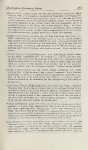
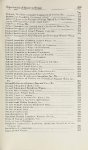
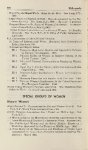
Show Outlook for Women Workers 222 When women in the main working ages (18 to 64 years) are con sidered, the rise in the next 15 years in the percentage of women who are expected to 'work is even more apparent. In 1964, 44.4 percent of the women of these ages were working, hut by 1980 about one-half of them (49.0 percent) probably will be in the labor force. Nevertheless, in the light of past trends all these proj ections are considered conservati ve. TaJble 107.-LABOR-FoRCE PARTICIPATION RATES, 1964 AND BY SEX AND BY AGE OF PROJECTED TO 198() 1 WOMEN, (Persons 14 years of age and over) Actual Sex and age 1964- Total _ en _ Wornen _ 14 to 19 years _ 20 to 24 years . 25 to 34 years _ 35 to 44 years _ 45 to 54 years _ 55 to 64 years _ 55 to 59 years 60 to 64 years 65 years and over _ _ ,.. 65 to 69 years 70 years and over 18·to 64 years 1 Annual _ _ _ _ _ Projected 1970 1975 1980 56.5' 57. 5 57.8 58. 3 77. 2 77. 0 76.9 77.2 37. 0 39.1 39.9 40. 6 28.1 30. 1 30. 6 31. 0 49. 2 50. 3 51. .5 52. 6 37. 1 38.6 39.3 40. 3 44. 8 47. 5 49. 0 50.0 51. 0 55. 3 57. 6 59. 5 39.8 43. 8 45. 7 47. 3 45. 9 51. 5 54. 2 56. 2 32. 7 34.8 36. 2 37. 3 9. 6 9. 8 9. 8 9. 9 16.2 17.4 17.4 17.4 5.8 5. 9 6. 0 6.1 44.4 47.2 48.2 49. 0 averages. Source: "Manpower Report of the President and A Report on Manpower Requirements, Resources, Utilization, and Training by the U.S. Department of Labor." March 1965. What jobs will be available for these women Growth in the economy is, of course, never even. Industries have different growth rates: some will expand, others will show little change, and still others will decline as new industries develop. These changes will affect significantly the occupational structure within industries and the de specific skills and educational attainment," mand for workers with Professional and technical workers are expected to be the most rapidly growing broad occupational group. Men and women in this group have the highest average educational attainment. The main S For employment opportunities Handbook," Bull. No. in specific oceupattons, see "Occupational Outlook 1450, Bureau of Labor Statistics, U.S. Department of Labor, and publications 0f the Women's Bureau listed in the bibliography of this handbook. |