| OCR Text |
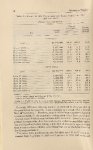
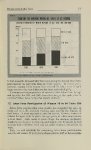
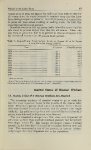
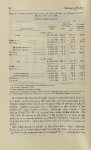
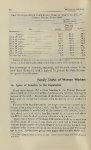
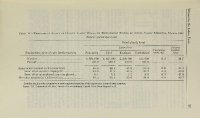
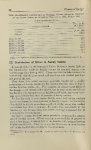
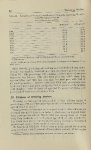
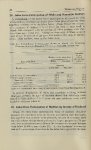
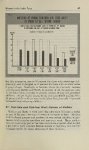
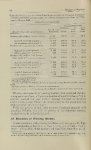
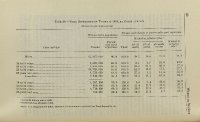
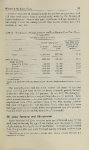
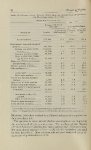
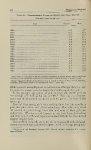
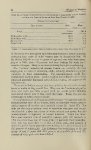
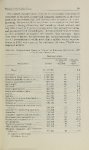
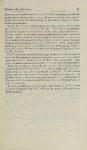
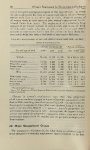
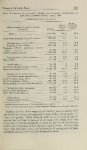
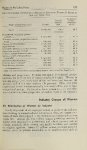
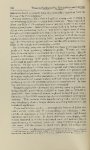
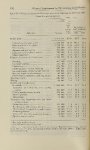
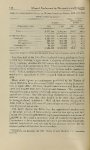
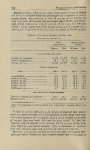
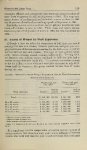
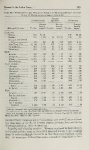
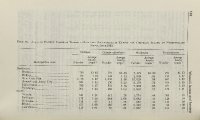
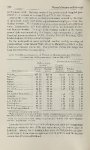
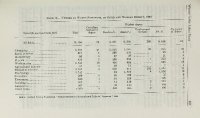
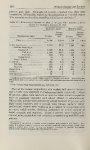
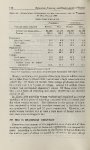
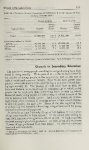
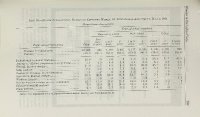
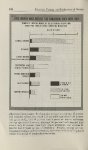
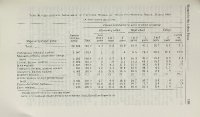
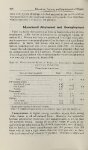
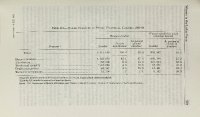
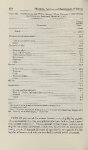
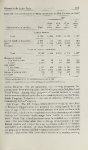
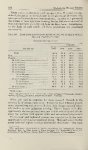
Show 61 Women in the Labor Force Work eorperience of white and. nornwhite wlomen.-A larger propor tion 'Of nonwhite than of white women seek and hold jobs-57 and 46 percent, respectively, had work experience in 1964 (table 29). In addition, non white women are more likely to work part time 'Or part in year. To some extent this is due to the difficulty ,they experience finding full-time year- round work, 1964,35 percent Of the women who worked in part-time schedules com 'Of nonwhite women were 'On pared with 32 percent 'Of white women. Conversely, relatively more white women than nonwhite women were 'On the job full time the year round (38 and 32 percent, respectively). There were also variations in the work experience 'Of white and non white women workers by age group, Among women 25 years 'Of white women age and 'Over, relatively more nonwhite women than about were The 1964. time in ,at some worked equal among proportions women 20 to 24 years 'Of age" but among teenagers relatively fewer nonwhite than white girls had some work experience. In ev.ery age gr'OUP a larger proportion 'Of white women than nonwhite women were full-time year-round workers, Except among girls 14 to 19 years 'Of age, relatively more nonwhite women than white women held part time jobs, 37. Employed Women by Part-Time and full-Time Status The Bureau 'Of Labor StaJtistics publishes another series 'Of figures and annual averages) 'On part-time and full-time em (both monthly ployment 'Of women and men based on the current household survey. These figures differ from those shown under work experience, since they relate solely t'O nonagriculcural employment. Moreover, only at the time of persons working 'On part-time and full-time schedules the monthly survey are counted. Persons who worked less than 35 hours a week because 'Of bad weather, industrial dispute, vacation, illness, holiday, 'Or 'Other noneconomic reasons are included with those 'On full-time schedules who worked 35 hours 'Or more a week. Persons part-time schedules are divided into three groups=chose who usu ally WIOrk full time and worked part time for economic reasons (slack work, material shortages, repairs to plant 'Or equipment, start or ter ruination IOf job during the week, and inability to find full-time work) , those who usually work part time and worked part time for economic reasons, and those who usually work part time for 'Other reasons (also called voluntary part time). Nearly 74 percent of the 2i,927,OOO women employed in. nonagri cultural industries in 1964 were on full-time schedules (table 30). 'On |