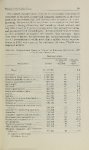
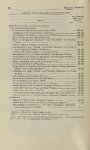
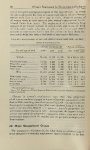
| OCR Text |
Show Recommended Standards for Employment of Women 228 hours 'Of. work have been reduced as factory processes have been mechanized and also as fatigue has oome to be recognized as detri mental to the worker's health, efficiency, and productivity. The development of good industrial health and safety practices provides a basis for protecting the worker from unsafe working conditions and from processes that endanger health. 95. Methods 01 Establishing Standards are developed through many channels--employ and governmental and private agencies. The enactment in ers, unions, of laws establishing adequate standards governing States many Labor 'standards wages, hours, and working conditions for women has stimulated the adoption by employers of better standards for men also. as training, seniority, and promotion, women often in a particularly vulnerable situation which re quires special attention. Women may be hired fur beginning jobs on an equal basis with men hut may not get equal consideration for promotion. Frequently they do not have the same training 'Oppor tunities and are not given a chance at better jabs. The opportunity to secure an equal rate of payor equal seniority in their jobs is In matters such workers are sometimes lacking. An outline follows of basic recommended standards to safeguard These standards apply women employees. health and efficiency of mainly to manufacturing, trade and service occupations, and office work. They do not attempt to deal with details but indicate the direction in which good standards should move. Federal Iabor laws and social security provisions relate to such matters as labor-manage ment relations, wage and hour standards, social security, .employment security, job training, education, and workmen's compensation. They affect both men and women workers and therefore lie for the most part outside the scope of this chapter. Wages and Hours 96. Wage Standards Adequate basic wages serve to promote the N ation's welfare by maintaining a secur.e and healthful level 'Of living for individual workers and by sustaining the purchasing power of workers as a whole. To aid in accomplishing this objective, many States have provided by law for a floor to wages. Since earnings determine standards of living, workers should be assured a minimum. wage adequate to meet |