| OCR Text |
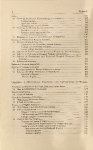
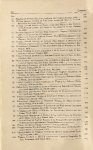
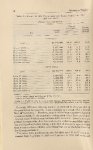
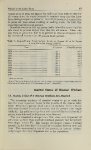
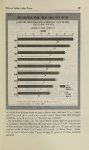
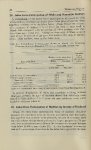
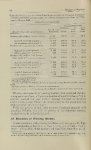
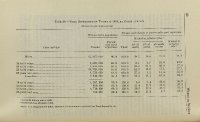
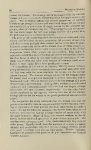
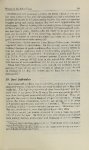
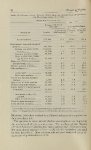
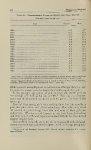
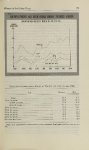
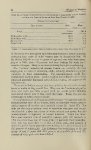
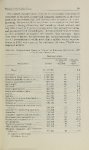
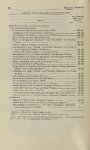
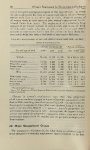
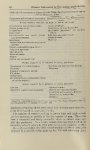
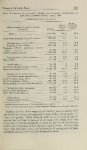
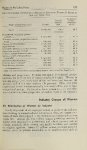
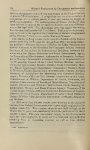
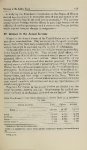
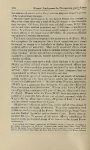
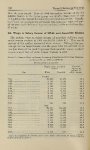
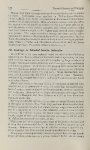
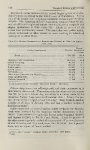
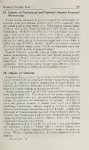
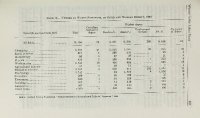
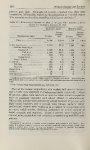
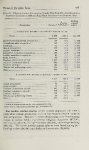
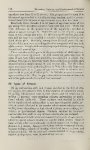
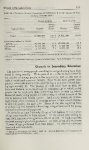
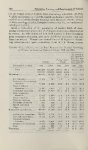
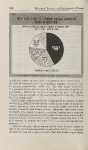
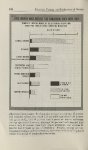
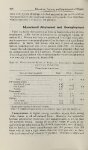
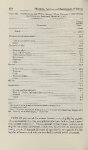
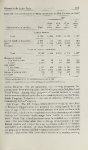
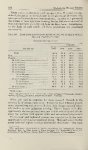
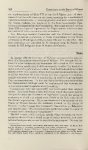
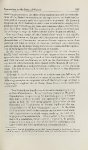
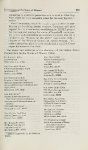
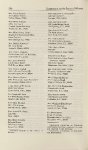
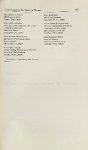
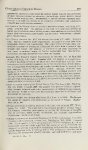
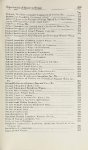
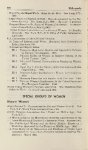
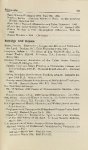
Show Women's Employment by Occupations and Industries 94 Table 44.-0cCUPATIONS IN WHICH WOMEN WERE THREE-FOURTHS OR TOTAL Occupations with less than 100,000 Occupations with 100,000 or more women WOMEN WERE 90 MORE OF EMPLOYED, 1960 OR PERCENT Housekeepers (private-household) Nurses (professional) Receptionists Babysitters Chambermaids and maids (except private-household) Secretaries MORE TOTAL OF women EMPLOYED Nurses (student) Laundresses (private-household) Attendants (physicians' and dentists' offices) Dietitians and nutritionists Demonstrators Milliners Dressmakers and seamstresses (except factory) Private-household workers (n.e.c.) Telephone operators Stenographers Practical nurses Typists Sewers and stitchers (mfg.) WOMEN WERE 80 TO 89 PERCENT OF TOTAL EMPLOYED Boarding and lodging house keepers Hairdressers and cosmetologists Librarians Waitresses Teachers (elementary school) File clerks Bookkeepers Housekeepers and stewardesses (except private-household) WOMEN WERE 75 TO 79 PERCENT Cashiers Operatives (apparel and accessories) OF TOTAL EMPLOYED Spinners (textile) Dancers and dancing teachers Attendants and assistants (library) Operatives (knitting mills) Midwives Source: U.S. Department of Commerce, Bureau of the Census: "U.S. Census of Population: 1960. tailed Characteristics, U.S. Summary, PC(I)-ID." De 1963. employed at the time of the 1960 census were in elementary education; 2 out of 10 taught in secondary schools. The number of women tea.ching in junior high and high schools has not increased as rapidly as has the number of men. There has been a concerted and fairly successful effort to attract more men into this profession. As a result, women were less than half of all secondary school teachers in 1960, after being in the majority in 1950. Some characteristics of public school teachers in March 1963 were obtained in a special survey made by the National Education Asso- |