| OCR Text |
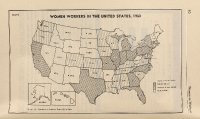
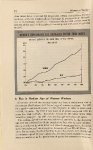
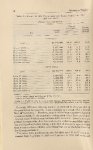
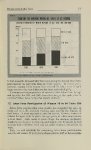
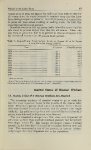
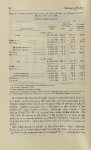
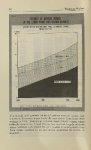
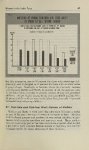
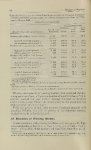
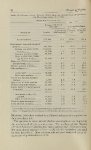
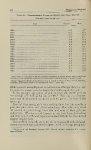
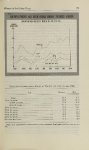
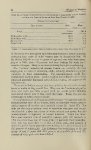
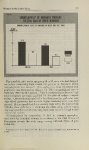
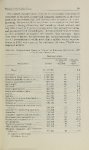
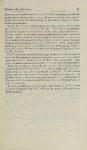
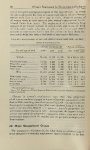
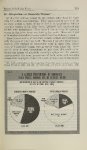
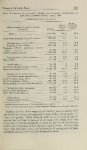
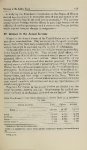
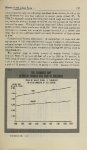
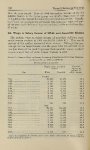
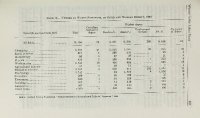
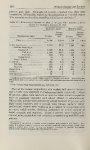
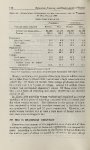
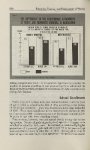
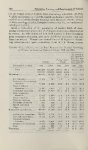
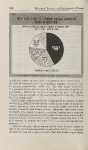
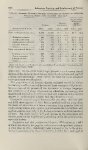
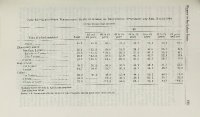
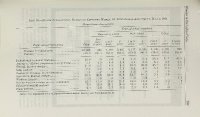
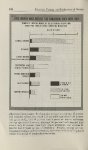
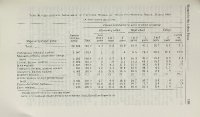
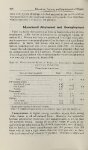
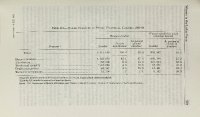
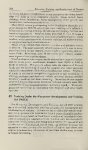
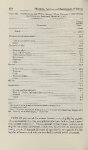
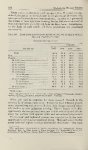
Show Women in the Labor Force The remarkable rise in the numbers and proportions of women in the labor force is due to a combination of demographic, economic, and social developments. Among demographic factors, the most im portant were the overall increase in population and the changed ratio of women to men in the population, result.ing from the greater lon . oj In '0' . . 7 gevity of women. Economic and social factors included (1) the in creasing demand for labor as the Nation changed first from an agri culture-based to an industry-based economy and then to a service-based economy and (2) the resultant trend toward urban living. To these factors were added more recently the widespread use of labor-saving equipment in the home, rising aspirations toward a higher standard of living and a higher level of education, and increased job opportuni ties for women in rapidly expanding clerical, service, and sales occupa tions. Finally, an evolution in social attitudes and values encouraged women to develop their abilities and talents to the fullest in paid work. Between 1900 and 1965 the female population 14 years of age and over increased nearly threefold. During the same period the ratio of men to women in the population changed considerably. In 1900 men outnumbered women by over 1.3 million, but today there are about 4 million more women than men of working age (14 years and over). The female labor force increased more than. fivefold during this period. The percentage of women workers among all women of working age advanced .from 20 percent in 1900 to 28 percent in 1940 and to 37.3 percent in 1965. 3. Nonwhite Women in the Labor force .1 .1 1 o 6 The civilian labor force in April 1965 included 3.4 million nonwhite They represented 13 percent of 'the civilian woman labor force and 41 percent of all nonwhite workers. More than 90 percent of the nonwhite women in the population in 1960 were Negro according women. to the decennial Census' of Population, but the geographical distribu tion of Negro women ranged from less than 10 percent of all nonwhite women in some Western States to almost 100 percent in some Southern States." 4. Employment and Unemployment Over 24.6 million women were employed in April 1965, and an additional 31,000 were in the Armed Forces (table 2). Unemployed women-those seeking work-vnumbered 1.5 million. 3 For detailed information on Negro women in the labor force, see "Negro Women WOl'kBull. 28'7, Women's Bureau, U.S. Department of Labor. 1964. 1'960." era in . |