| OCR Text |
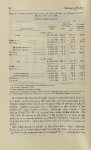
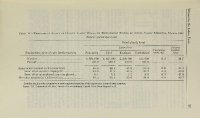
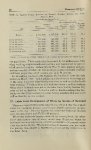
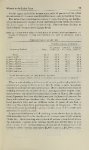
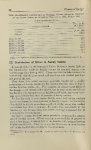
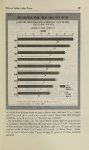
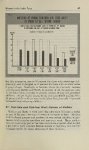
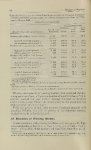
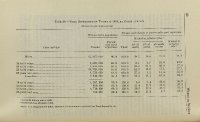
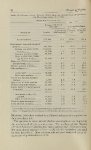
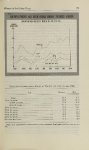
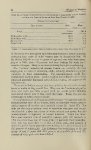
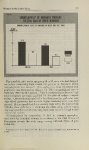
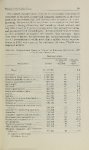
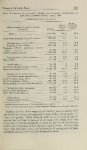
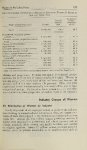
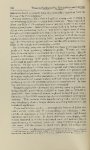
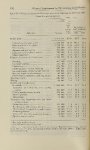
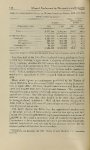
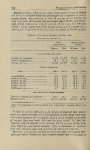
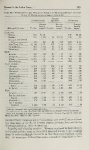
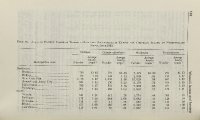
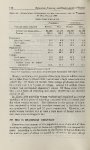
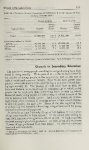
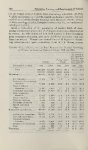
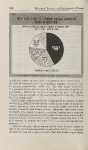
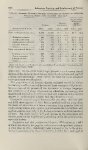
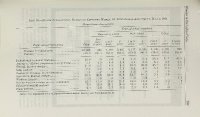
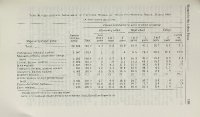
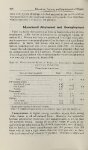
Show Women in the Labor Force 45 full time, but only 25 percent worked full time the year round and 22 percent worked from 1 to 26 weeks. A higher proportion of mothers with children under 3 years was full-time schedules than of mothers who had school-age children only or children 3 to 5 years old but none younger. Sixty-five percent of the mothers with children under 3 years worked full time, but only on 14 percent worked full time the year round and 32 percent worked from 1 to 26 weeks. The proportion of mothers (husband present) who worked part time was highest (40 percent) for those who had children 3 to 5 years old but none younger and lowest (35 percent) for those who had chil dren under 3. Mothers (husband absent).-Typically, a mother who is raising children without the help of a husband is more likely to work full time than is the mother whose husband is at home. Economic neces sity is obviously the main reason for the former's work pattern. Eighty-three percent of all mothers (husband absent) who were employed in nonagricultural industries in March 1964 were on full time schedules (table 22) White and nonaohite mothers.-Data on work experience of mothers by color, marital status, and ages of children are av.ailable for 1959 from the 1960 Census of Population. These data indicate that relatively more nonwhite than white moth ers worked part time, but the differences were not significant for mothers whose husbands were present. Among mothers whose hus bands were absent, however, much larger proportions of nonwhite . mothers than of white mothers worked part time. A comparison, by detailed marital status, of the number of weeks worked in 1959 by 14- to 59-year-old white and nonwhite mothers gen erally confirms the work patterns shown for all mothers. Whether white or nonwhite, a smaller proportion of mothers than of all women workers worked the year round, and mothers whose husbands were present worked fewer weeks in the year than did widowed or divorced mothers or mothers whose husbands were absent for other reasons. Moreover, mothers of preschool children worked fewer weeks in the year than did mothers of school-age children, whether white or non white. About 2 out of 5 of both white and nonwhite working mothers of school-age children, if living with their husbands, worked the year round. But if their husbands were absent, one-half of them worked Among widowed and divorced mothers with school-age children, relatively more white mothers than nonwhite mothers worked that much. the year round. |