| OCR Text |
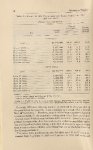
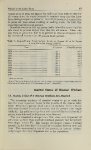
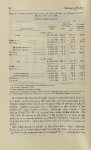
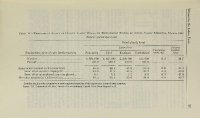
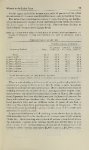
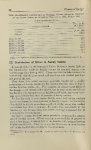
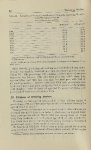
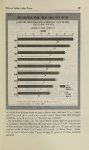
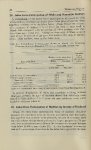
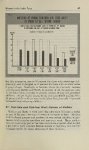
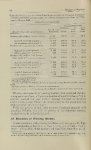
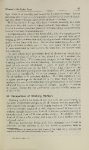
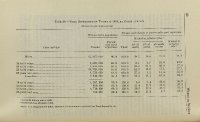
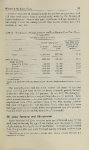
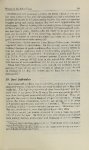
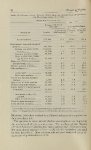
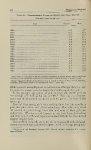
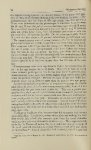
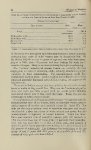
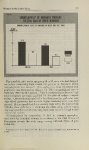
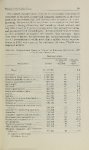
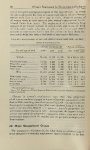
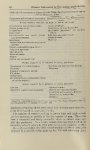
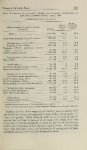
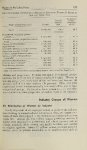
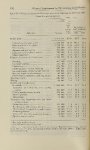
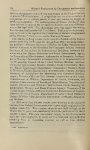
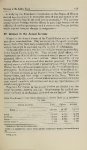
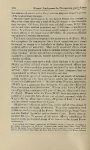
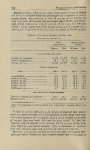
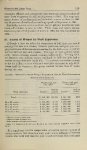
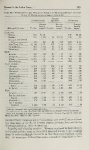
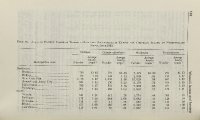
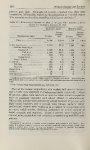
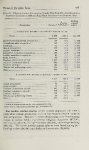
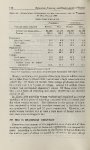
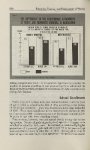
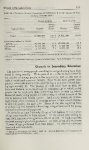
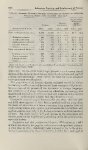
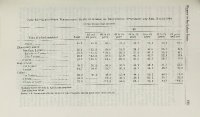
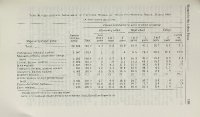
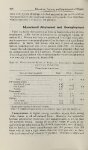
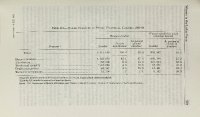
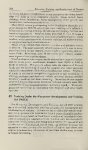
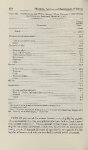
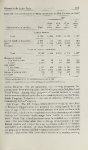
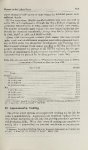
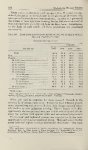
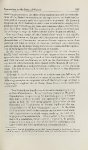
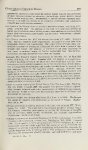
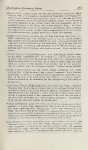
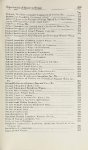
Show Women in the Labor Force 55 Another change in the composition of the group of women with work experience was that a somewhat larger proportion worked a (47 percent) than in 1950 (45 percent). full year in 1964 This was due mainly to a larger proportionate increase in the number of women who worked part time for 50 to 52 weeks. Table 24.-WORK EXPERIENCE WOMEN, 1950, 1960, AND OF 1964 (Women 14 years of age and over) Number (in thousands) Work experience TotaL __________ Percent distribution 1964 1960 1950 1964 1960 1950 33, 146 30,585 23,350 100. 0 100.0 100.0 12,418 3, 104 11,299 3,060 8, 592 1,916 37. 5 36. 9 36. 8 9.4 10.0 8. 2 4, 968 2, 154 4,479 2,023 4,171 1,210 15.0 14. 6 17.9 6. 5 6. 6 5. 1 5, 126 5,376 4, 899 4,825 4,377 3,088 15.5 16.0 18. 7 16.2 15. 8 13. 2 Year round: 50 to 52 weeks: Full time 1 _____ Part time 2 ____ Part year: 27 to 49 weeks: Full time 1 _____ Part time 2 ____ 1 to 26 weeks: Full time 1 _____ Part time 2 1 ____ Worked 35 hours or more a week. 2 Worked less than 35 hours a week. Source: "Manpower Report of the President and A Report on Manpower Requirements, Resources, Utilization, and Training by the U.S. Department of Labor," March 1966. by age.-As might be expected, women between 18 and 64 years of age are more likely to work some time during the year than are younger girls or older women. In 1964 almost two Work experience thirds of all women 18 to 24 years of age, almost three-fifths of those 45 to 54 years of age, and over half of those 35 to 44 years of age had work experience (table 25). In contrast, about one-third of the girls 14 to 17 years old and only one-seventh of the women 65 years of age and over worked some time during that year. At all age levels, a larger proportion of men than of women had work experience in 1964. For men the percentage was highest among those 25 to 54 years of age (97 or 98 percent) and lowest among those 65 years of age and over (37 percent) In the principal working age groups (18 to 64 years) the proportion of all women who worked some time during the course of 1964 was 55 percent as compared with 95 percent for men. . |