| OCR Text |
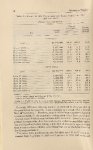
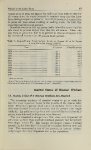
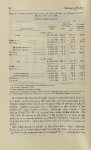
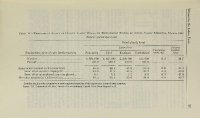
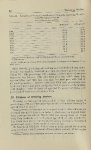
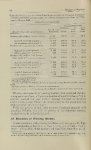
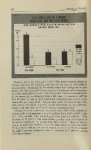
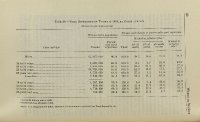
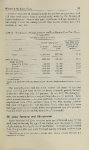
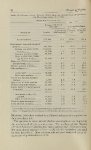
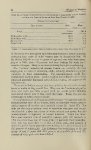
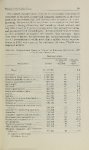
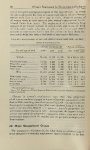
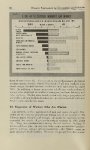
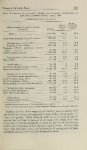
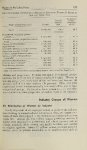
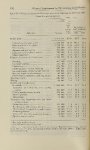
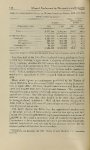
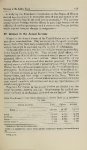
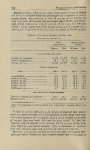
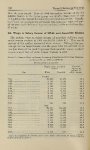
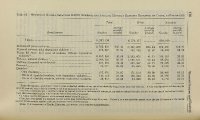
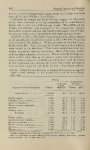
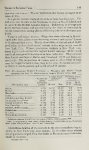
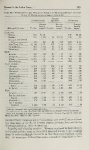
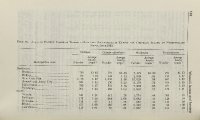
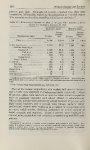
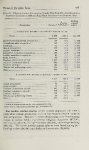
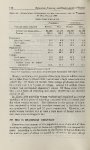
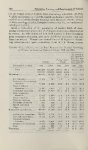
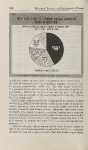
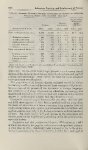
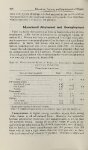
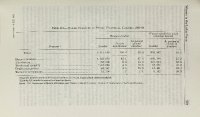
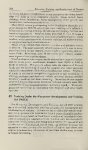
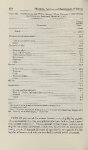
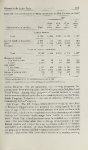
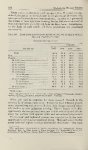
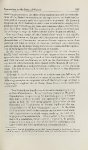
Show Women as Workers 48 private-household worker, operative, or service in private households. worker other than le in Nonwhite mothers who had jobs in 1960 were also their with skilled occupations. Almost two-thirds of those living mainl! house service workers (outside private a cleri workers. One out of 10 was and holds), Non worker. cal worker, and about lout of 10 was a professional had white mothers without husbands in the home predominantly husbands were operatives private-household More than lout of 3 was a private-household house lout of 4 was a service worker (outside private low-skilled jobs. worker, holds), and lout of 8 was an operative. 34. Child Care Arrangements of Working Mothers The arrangements working mothers make for the care of their children 'are of vital importance to the welfare of their families and to the interests of their communities. To obtain current information, the Children's Bureau of the U.S. Department of Health, Education, of and Welfare and the Women's Bureau of the U.S. Department Labor cosponsored a national survey of child care arrangements of women who worked 27 working mothers.> The survey was limited to or full either time, and who had tat least weeks or more in part 1964, child under 14 years of age living 'at home. It was conducted by the Bureau of the Census in February 1965. mothers According to the preliminary findings, the 6.1 million 14 under children million 12.3 had the years of age, covered one survey by of whom 3.8 million were under 6 years. While these mothers were at work, 46 percent of the children were with 15 percent looked after by their cared for in their own homes, father, 21 percent by another relative, and 10 percent by a maid, housekeeper, or babysitter (table 23). An additional 15 percent of the children were cared for outside their own home, about half by a relative. Thirteen percent of the children were looked after by their own mothers while they worked. had mothers who worked only during school hours. and 15 percent Eight percent of the children were expected to care for themselves, while only 2 percent of the surveyed children were in group care, such as in day care centers, nursery schools, and after-school centers. These preliminary findings, as did the findings of a survey under 1958, emphasize the urgent need taken by the Children's Bureau in 14 This survey Manpower, Labor. was partially supported under the research program of the Office of and Training, Manpower Administration, U.S. Department of Automation |